More than 8.2 million U.S. students suited up for high school sports during the 2024–2025 school year, setting a national participation record. Yet in 5 states, many homeschooled teenagers remain unable to try out for teams at the public schools their neighbors attend.
California, Maryland, New York, Oklahoma, and Virginia maintain broad barriers to public school sports access for homeschool students, according to the original Epoch Times report. The divide has created a growing debate over whether access to a taxpayer-supported team should depend on where a student completes algebra, history, and English lessons.
One New York Athlete Took an Unlikely Route to Division I
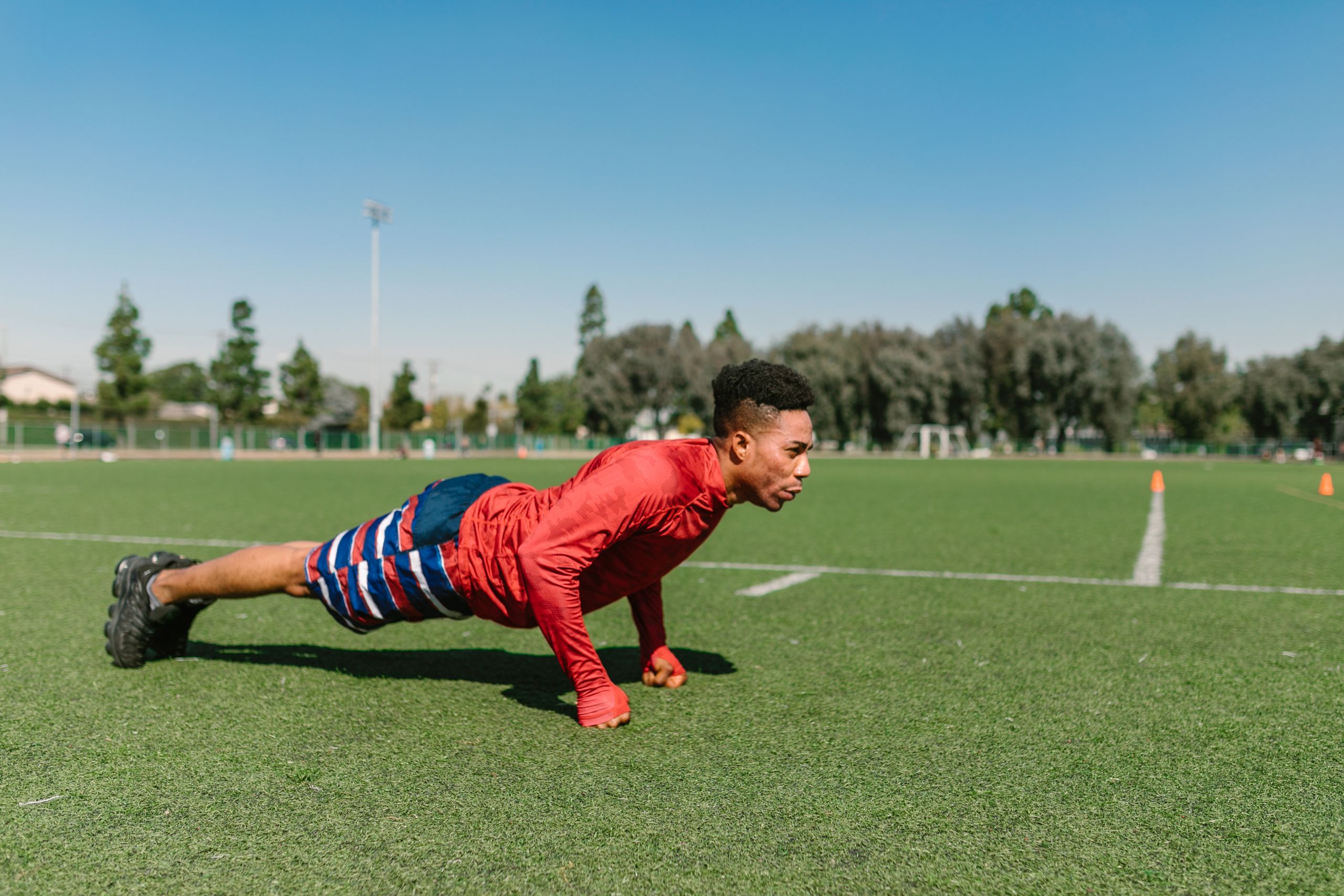
Luke Cecchi spent his teenage years watching friends compete for public high school teams in Cazenovia, New York. Although his family reportedly paid thousands of dollars in local property taxes, the homeschooled student could not try out for the school’s soccer or basketball teams under New York’s eligibility system.
Cecchi refused to let that decision end his athletic ambitions. Now 23, he has reached a level that only a small share of young players ever see, earning a walk-on position with Siena University’s NCAA Division I men’s basketball program after developing his game outside the traditional high school system.
His story offers an inspiring ending, but it also exposes how difficult the alternative route can be. A public school player may have a full season of scheduled games, trained coaches, packed gyms, and regular exposure to college scouts, while a homeschool athlete may have to assemble those opportunities through private clubs, travel programs, or independent leagues that can cost families thousands of dollars.
New York’s rules generally connect interscholastic eligibility to enrollment at the school a student represents. A 2024 state education decision involving a district softball team again showed how residency alone does not guarantee playing eligibility, even when the student lives within the school district, according to the New York State Education Department.
A 5-State Divide Is Increasingly Difficult to Ignore
The national map is far from uniform. Roughly 30 or more states provide some form of public school sports access to homeschooled students, while others leave the final decision to local districts or require part-time enrollment, academic testing, residency verification, and compliance with team rules.
Supporters often call these policies “Tim Tebow laws,” a reference to the former Florida quarterback who was educated at home but played football for a public high school. Tebow won the 2007 Heisman Trophy at the University of Florida and later played in the NFL, becoming the most recognizable example of a homeschool athlete using public school competition to reach college sports.
Florida’s current law does not hand athletes an automatic place on a roster. Under Florida Statute 1006.15, a homeschool student must satisfy the same residency, conduct, acceptance, and performance standards imposed on other participants before competing for an assigned public school.
That distinction matters because families are generally asking for 1 opportunity to try out, not a guaranteed jersey, starting position, or scholarship. A homeschool athlete could still be cut for the same reasons as any enrolled student, including limited roster space, insufficient skill, disciplinary concerns, or failure to meet academic requirements.
Record Participation Raises the Stakes
The fight is unfolding as school sports reach historic levels. The National Federation of State High School Associations counted 8,266,244 participants during the 2024–2025 academic year, an increase of 203,942 from the previous year.
That record covered about 70 different sports, from football and basketball to swimming, wrestling, track, and emerging programs. Football alone recorded approximately 1.14 million participants, showing how deeply school-based athletics remain woven into American education and community life.
Homeschooling has also become more visible. Federal data show that the share of students educated at home increased from 1.7 percent in 1999 to 3.4 percent in 2012, before settling at a lower level in 2019, according to the National Center for Education Statistics.
The pandemic produced another sharp shift. Census-linked estimates found that 5.4 percent of children were reported as homeschooled during the 2020–2021 school year, while 6.8 percent of adults living with students under age 18 said their household included at least one homeschooled child.
Those figures are measured differently and should not be treated as one continuous trend line. Still, they point to a sizable population of families for whom access to sports, theater, band, debate, and other public school activities is no longer a small or theoretical question.
A Virginia Lawsuit Could Reshape the Debate
Virginia has become one of the most closely watched battlegrounds. On March 30, 2026, Daniel and Stacie Palmer filed a federal lawsuit challenging the Virginia High School League’s rule after their homeschooled ninth-grade son, Samuel, was barred from competing in track and cross-country for his local public school.
Samuel had already participated in both sports during middle school, according to WWBT’s report on the case. His family’s complaint argues that the policy violates constitutional equal-protection guarantees and protections for religious freedom because the Palmers say they chose homeschooling partly for faith-based reasons.
The Virginia High School League has defended a system developed by member-school principals over more than 80 years. In response to the lawsuit, the league said its members chose to limit VHSL-sponsored activities to students attending member schools and that it was prepared to defend that policy.
The Palmers also requested a preliminary injunction that would allow Samuel to compete while the broader case proceeds. If the court rules for the family, the decision could influence eligibility fights beyond Virginia’s 133 counties and independent cities, although any wider legal impact would depend on the court’s reasoning and later appeals.
Schools Point to Fairness and Oversight Concerns
Opponents of broader access argue that enrollment provides more than classroom instruction. Public school athletes may be monitored through daily attendance, school-issued grades, disciplinary records, and academic eligibility checks across a 5-day school week, while homeschool records are maintained outside that system.
Coaches and administrators also worry about roster limits and accountability. A team with only 12 or 15 available positions may face difficult questions if a non-enrolled athlete earns a place over a student who attends the school every day, even when both meet the same athletic standard.
Local control remains another source of tension. Texas expanded access under a 2025 law, but districts were allowed to opt out, producing different rules from one community to the next. That approach offers flexibility, yet it can leave neighboring homeschool families with entirely different opportunities based on a single school board vote.
Supporters respond that testing, quarterly reports, residency documents, age limits, physical examinations, and conduct rules can address those concerns. Their position is simple: if 2 students live in the same district, satisfy the same eligibility requirements, and compete in the same tryout, educational location should not automatically disqualify one of them.
Independent Leagues Offer Opportunity but Not Full Equality
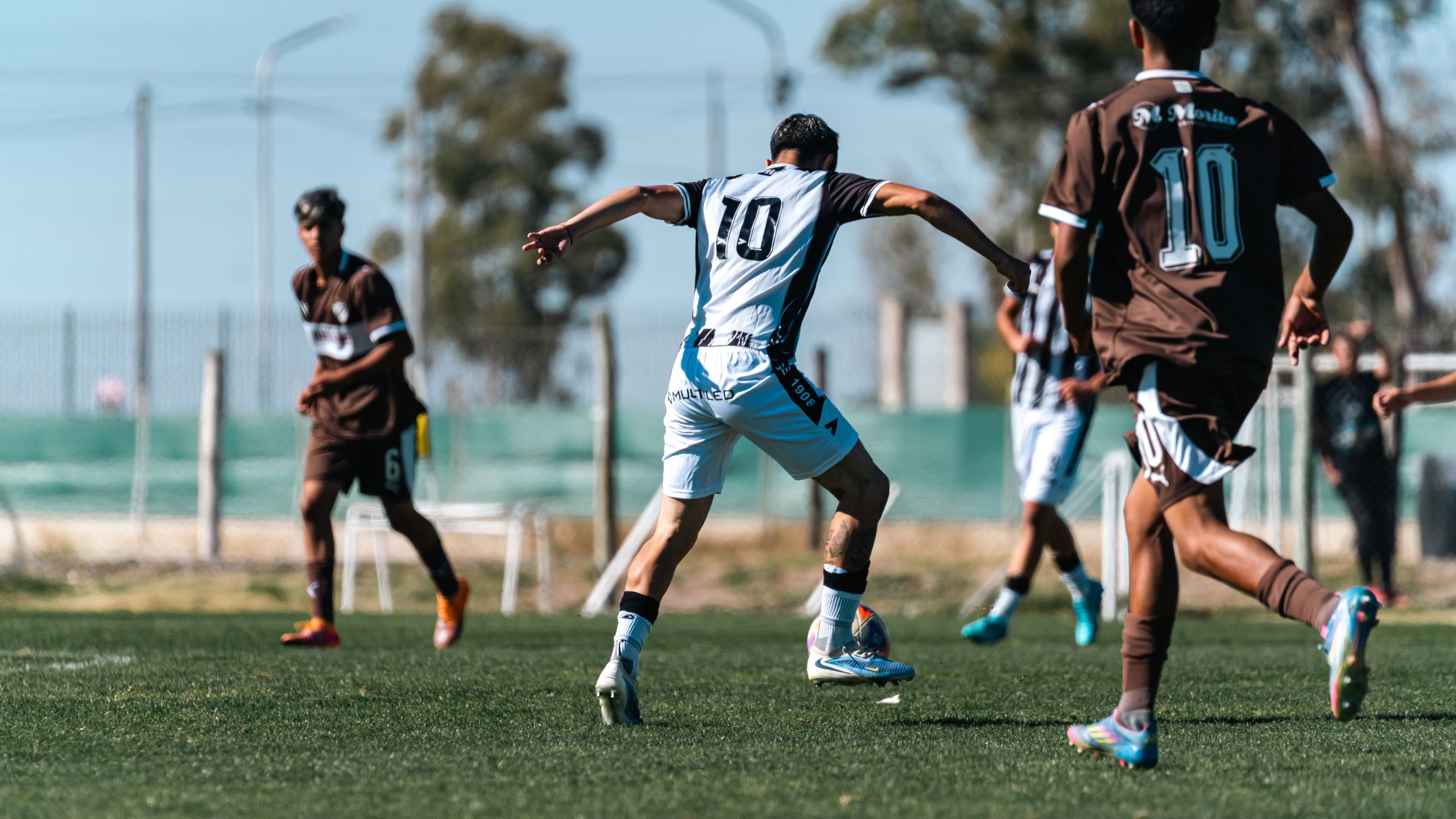
Some families have stopped waiting for lawmakers and created homeschool athletic associations of their own. These programs can provide competition in several sports, build community, and give teenagers the teamwork that comes with a 10-game or 20-game season.
However, an independent league may lack the facilities, funding, travel support, championship structure, and recruiting visibility of an established public school system. For athletes chasing one of the limited NCAA roster positions available each year, that difference can affect exposure long before the first college application is submitted.
The debate ultimately reaches beyond wins and losses. With 5 holdout states, more than 8.2 million school-sports participants, and at least 1 major federal lawsuit underway, families are asking whether public education can support multiple learning choices without closing the gym door.
Should homeschool students who meet the same academic, residency, and conduct requirements receive an equal chance to try out for public school teams, or should those opportunities remain limited to fully enrolled students?