MADISON, Wis. — Wisconsin election officials have referred two complaints against Elon Musk to a county prosecutor over his $1 million voter offers. The Wisconsin Elections Commission voted 5-1 on Thursday, July 9, 2026, after finding probable cause.
The complaints involve Musk’s actions before Wisconsin’s April 1, 2025, Supreme Court election. Brown County District Attorney David Lasee now has 40 days to report his response to the commission.
The Republican prosecutor can review the evidence, request more information, or consider criminal charges. The commission’s decision does not establish Musk’s guilt, and no criminal charge had been announced as of July 15.
Commission Focuses on Voting Offer
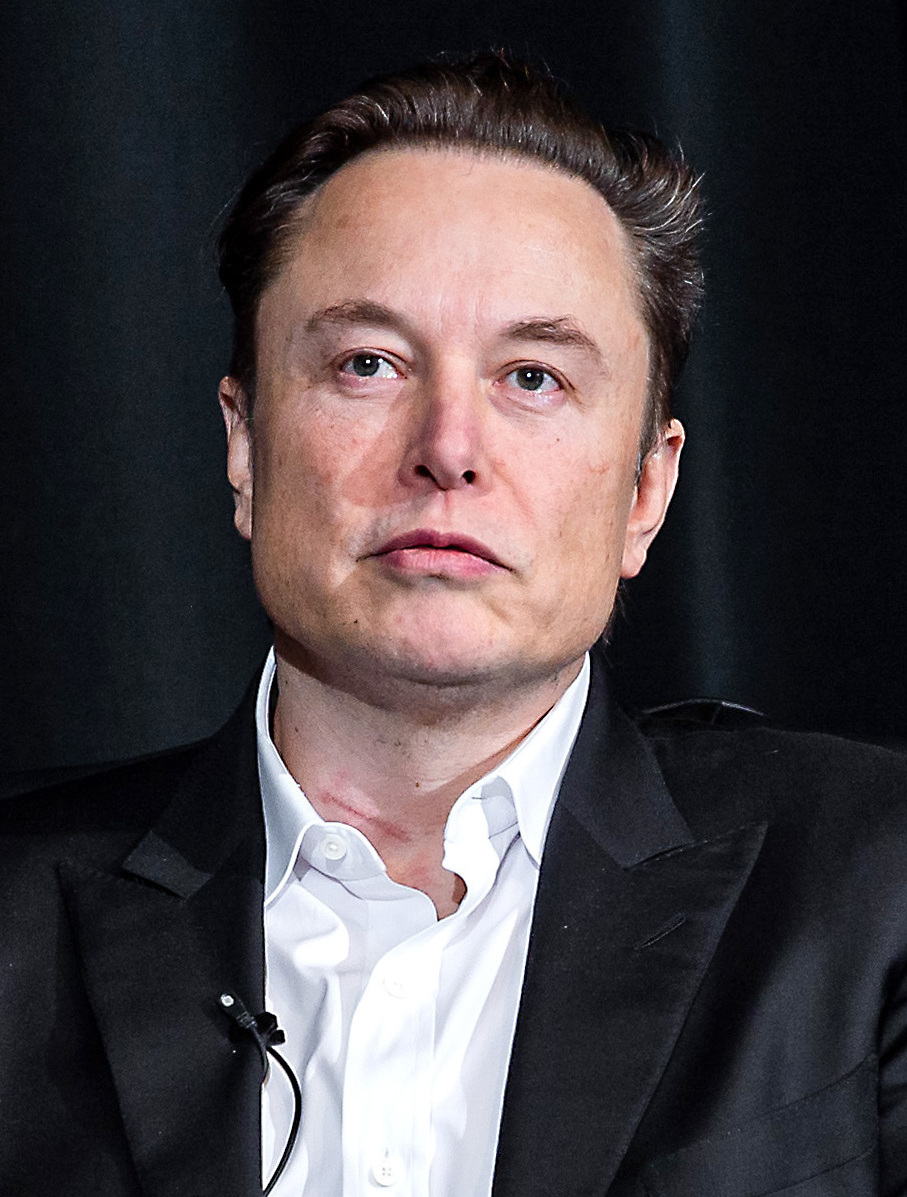
The six-member elections commission includes three Democratic appointees and three Republican appointees. Five members supported sending the confidential complaints to Lasee’s office.
Commission spokesperson Emilee Miklas confirmed the vote and referral. The complaints came from voters in Milwaukee and Green Bay, both of which are within Brown County.
The commission focused on a social media post connected to Musk’s $1 million offer. Its motion said the message offered money to people who voted in the Supreme Court election.
The panel found probable cause to believe Musk made the offer to induce people to participate. Prosecutors must now decide whether the evidence satisfies the higher standard needed for criminal charges.
Musk’s representatives did not immediately issue a public response to the referral. Lasee also had not publicly described how his office would proceed.
Wisconsin Law Restricts Election Payments
The state election bribery law prohibits offering something valuable to influence an elector’s conduct. It covers attempts to induce someone to vote, avoid voting, or support a particular candidate or referendum.
The statute also addresses certain payments made because an elector has already acted. Prosecutors would need to examine Musk’s language, the payment conditions and the offer’s connection to voting.
Three Wisconsin voters received $1 million checks linked to Musk’s political effort. Two checks were received during a March 30, 2025, rally in Green Bay, two days before the election.
Musk presented the recipients as spokespeople for a petition opposing “activist judges.” America PAC had already offered registered voters $100 to sign that petition.
The political action committee also offered $100 for successful referrals. The campaign collected contact information from participating voters as the judicial race approached.
Musk’s lawyers previously argued that the payments supported political organizing and protected expression. They maintained that the program promoted a petition rather than paying voters to support a named candidate.
Courts Declined Emergency Intervention
Wisconsin Attorney General Josh Kaul tried to stop Musk from presenting the Green Bay checks. The emergency court complaint filed argued that the offer violated Wisconsin’s ban on election bribery.
State courts declined to block the payments before Musk’s rally. The Wisconsin Supreme Court rejected an emergency request shortly before the event began.
Those decisions did not settle the underlying legal dispute. The courts did not issue a final judgment declaring Musk’s payment program lawful under Wisconsin election law.
Kaul’s complaint focused heavily on Musk’s original social media announcement. That message linked the $1 million offer to people who had already voted in the Supreme Court election.
Musk later changed the language used to describe the program. The revised message said the selected recipients would serve as spokespeople for the petition.
The difference between those messages could become important during the prosecutor’s review. Investigators may also examine statements made at the rally and communications with payment recipients.
Musk Spent Millions on Schimel
Musk became one of the most prominent financial forces in the Wisconsin race. He and the groups he supported spent at least $20 million to help Republican-backed candidate Brad Schimel.
Schimel faced Susan Crawford, a Dane County judge supported by Democrats. Crawford won the election by approximately 10 percentage points.
Her victory preserved the Wisconsin Supreme Court’s liberal majority. That majority later expanded to 5-2 following another judicial election in 2026.
Overall spending in the 2025 contest exceeded $100 million. The total made it the most expensive judicial election in United States history.
The court hears disputes involving abortion restrictions, legislative boundaries, voting regulations, and public-sector unions. Those possible cases turned the state contest into a nationally watched political fight.
Musk portrayed the election as important to the national Republican agenda. However, the large spending advantage supporting Schimel did not deliver a victory.
About one month after the loss, Musk said he expected to spend less money on political campaigns. His Wisconsin activities continued to generate litigation and administrative complaints.
Civil Case Targets Future Giveaways
The criminal referral remains separate from a pending lawsuit against Musk and organizations he funded. The separate civil lawsuit remains active in Brown County Circuit Court.
The Wisconsin Democracy Campaign and two voters brought that case. They accused Musk, America PAC, and another organization of violating prohibitions involving vote bribery and unauthorized lotteries.
The plaintiffs also alleged conspiracy and public nuisance. They want a judge to prevent the defendants from offering similar cash payments during future Wisconsin elections.
Musk and the other defendants have disputed those claims. Their attorneys asked the court to dismiss the case, arguing that the program constituted political advocacy.
The civil plaintiffs describe the petition payments, referrals, and million-dollar checks as parts of one coordinated effort. Those claims remain allegations and have not been proven at trial.
A civil court could continue to review the payment program even if prosecutors decline to file criminal charges. Civil cases also apply different burdens of proof and can produce different remedies.
Prosecutor Begins Evidence Review
Lasee’s office must now evaluate the complaints and evidence behind the commission’s probable-cause finding. The prosecutor may examine social media posts, payment requirements, rally statements, and communications involving America PAC.
Any criminal case would require the state to prove an offense beyond a reasonable doubt. Musk would have the right to challenge the allegations, present defenses, and seek dismissal.
The commission has requested a response within 40 days of the referral. Until prosecutors announce their decision, the matter remains under review, and Musk has not been convicted of violating Wisconsin election law.