The American grocery trip has become a weekly exercise in calculation. We check store apps before leaving home, compare digital coupons in the parking lot and abandon products when the shelf price crosses an invisible line in our budgets.
This is no temporary reaction to one expensive month. We are witnessing a lasting reset in how Americans plan meals, choose stores and decide which foods their families can still afford.
Food purchased for consumption at home now costs about 33% more in American cities than it did at the beginning of 2019. During the previous seven-and-a-half years, grocery prices increased by only 6.4%. That contrast explains why today’s prices feel less like ordinary inflation and more like a fundamental change in the cost of living.
Grocery prices have risen far faster than families expected
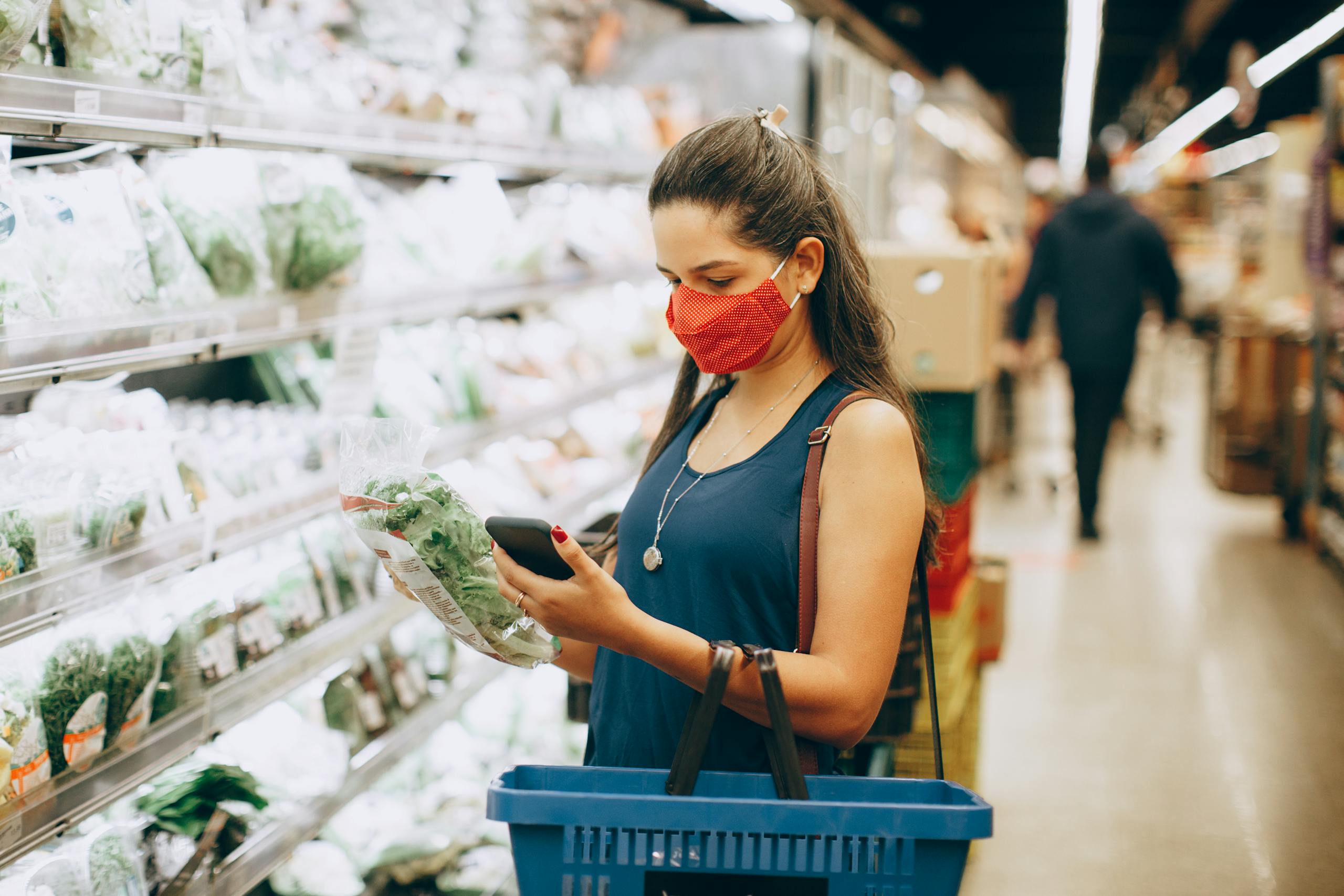
The scale of the increase matters because groceries are not optional purchases. We may postpone buying new furniture, cancel a vacation or keep an old phone for another year. We cannot permanently stop buying food.
The price surge developed through several overlapping shocks. The COVID-19 pandemic disrupted processing plants, international shipping and domestic transportation. Labor shortages raised costs throughout the supply chain. Droughts reduced crop and livestock production, while hurricanes damaged farms and distribution systems.
Animal diseases also affected supply. Bird flu repeatedly disrupted egg and poultry production. At the same time, Russia’s war in Ukraine interfered with global oil, grain and fertilizer markets. More recent instability in the Middle East has increased concern about fuel, shipping and refrigeration costs.
Tariffs have added pressure to imported foods and agricultural inputs. Products such as coffee, chocolate, tomatoes and tropical fruit are particularly vulnerable because American consumers depend heavily on foreign producers for supply.
Slower inflation does not mean cheaper groceries.
One of the biggest sources of public frustration is the difference between lower inflation and lower prices.
Inflation measures how quickly prices are increasing. When grocery inflation slows, food may still become more expensive. Prices are simply rising at a slower rate. A product that climbed from $4 to $6 does not return to $4 because inflation cools.
In June 2026, food-at-home prices were 2.7% higher than they had been a year earlier. The U.S. Department of Agriculture expects grocery prices to increase by an average of 2.7% during 2026, slightly above their 20-year historical growth rate. (Consumer prices up 3.5 percent over the year ended June 2026, 2026)
That means Americans are absorbing another layer of increases on top of the much larger rise that has accumulated since 2019.
We should not expect most supermarket prices to return to pre-pandemic levels without widespread deflation. Businesses may discount individual products, compete more aggressively or reduce prices when supply improves. However, labor, insurance, energy, packaging and transportation costs remain embedded in the system.
Higher wages have not erased the grocery affordability crisis.
Recent wage data may suggest that many workers are gradually regaining purchasing power. Median weekly earnings for full-time wage and salary workers reached $1,251 during the second quarter of 2026, up 4.6% from a year earlier. Consumer prices increased 3.9% over the same period.
Yet national averages do not describe every household.
Workers in service occupations, retirees living on fixed incomes, single-parent families and people with irregular schedules may have experienced far weaker income growth. Even households receiving raises must divide those gains among rent, electricity, insurance, transportation, childcare and medical costs.
When all of those expenses rise together, a paycheck can technically outpace grocery inflation while the family budget still deteriorates.
Food also occupies a much larger share of income for lower-earning households. In 2024, households in the lowest income quintile spent an average of $5,498 on food, equal to 33% of their pretax income. Middle-income households spent 12.2%, while the highest-income group spent 6.4%.
For affluent households, a $20 increase in a weekly grocery bill may be irritating. For a family already spending one-third of its income on food, it may determine whether the electricity bill gets paid on time.
Americans are building new grocery-shopping playbooks.
A more complicated system is replacing the traditional weekly shopping trip.
We increasingly begin with a spending limit rather than a menu. Instead of deciding what we want to cook and then buying the ingredients, we examine promotions first and build meals around discounted products.
That shift produces several new routines:
- Checking supermarket apps before shopping
- Activating digital coupons
- Comparing prices across multiple stores
- Buying store brands instead of national brands
- Replacing fresh ingredients with frozen or canned alternatives
- Choosing chicken, beans or eggs instead of beef
- Buying fewer snacks and drinks
- Planning meals around weekly promotions
- Using loyalty points for necessities
- Visiting food banks when household income falls short
These habits require time, transportation and careful planning. Saving money may involve visiting two or three stores, tracking rotating promotions and calculating the cost per ounce rather than trusting the price displayed on the shelf.
For households without reliable transportation, nearby discount stores or internet access, the opportunity to comparison-shop is far more limited.
Beef prices show how quickly a staple can become a luxury.
Few products symbolize the grocery crisis as clearly as beef.
The average price of a pound of ground beef reached approximately $6.82 in June 2026, about 79% higher than at the beginning of 2019.
Several forces are responsible. The United States has been dealing with a smaller cattle herd, years of drought in major ranching regions, expensive feed and higher fuel costs. Beef production in 2026 was projected to remain below 2025 levels and roughly 9% below the record reached in 2022.
A smaller supply of cattle makes it difficult for supermarkets to offer consistently low prices, especially when consumers continue to demand hamburgers and other familiar beef products.
Families are responding by stretching smaller portions across casseroles, pasta dishes and soups. Others are replacing beef with chicken, pork, beans or lentils. Some households are abandoning recipes that once appeared on the dinner table every week.
The change carries cultural and emotional consequences. Food is tied to family traditions, celebrations and identity. When families can no longer afford familiar meals, the loss extends beyond nutrition.
Store brands are gaining power as brand loyalty weakens.
High grocery prices are accelerating the shift toward private-label products.
Store brands were once treated as emergency substitutes. Many shoppers now consider them routine purchases. Generic cereal, canned vegetables, pasta, medicine and cleaning products can create meaningful savings across an entire cart.
This creates a serious challenge for national food companies. A customer who discovers that a cheaper store-brand product is acceptable may never return to the original brand.
Brand loyalty remains stronger in categories where taste, texture, or family preference matters. Some consumers will buy fewer cookies, crackers or beverages rather than accept a generic replacement. However, the longer prices remain elevated, the more willing shoppers become to experiment.
Discount chains are benefiting from that change. Aldi, Walmart and other value-focused retailers have attracted customers who previously divided their spending among conventional supermarkets and premium stores. Aldi announced plans to open more than 180 U.S. stores in 2026 as Americans continued seeking lower-priced groceries and private-label alternatives.
Regional grocery inflation creates an uneven burden.
There is no single American grocery experience.
Transportation networks, local wages, housing costs, weather and store competition all influence prices. A household in a city with several discount chains may have more options than a rural family served by one supermarket.
Hawaii faces some of the country’s most difficult conditions. Most food must travel long distances by ship, leaving prices highly sensitive to fuel costs and freight disruptions. Local products can also be expensive because goods must move between islands before reaching stores and restaurants.
San Francisco households face a different combination of pressures. Food prices compete with some of the nation’s highest housing, childcare and business costs. A self-employed worker may earn more than someone in a lower-cost region but still have less money available after rent, transportation and insurance.
Texas illustrates another contradiction. Even in the country’s leading beef-producing state, some families can no longer afford regular servings of ground beef or steak.
These examples show why national inflation figures can hide severe local hardship.
Food assistance is becoming more important as eligibility tightens.
Food banks and federal nutrition programs have become essential parts of many household budgets.
The Associated Press reported that approximately 37 million Americans were participating in the Supplemental Nutrition Assistance Program as of April 2026, a 12% decline from the previous year following tighter eligibility requirements.
For eligible households, SNAP benefits may determine whether children receive balanced meals throughout the month. Families often combine those benefits with food-bank distributions, school meals, shared groceries from relatives and discounted supermarket purchases.
Even before the latest price pressures, food insecurity affected millions of Americans. USDA research estimated that 13.7% of U.S. households experienced food insecurity at some point during 2024. About 5.4%, or 7.2 million households, experienced very low food security, meaning normal eating patterns were disrupted because money or other resources were unavailable.
High prices increase the risk that families will purchase enough calories but not enough nutritious food. Fresh produce, lean meat and fish may be replaced by cheaper products that are filling, shelf-stable and highly processed.
The grocery crisis is changing nutrition.
When households must reduce spending immediately, nutritional quality can become secondary to price.
Beans, lentils, frozen vegetables and whole grains can provide affordable nutrition. However, the cheapest convenient foods are often refined, heavily processed or high in sodium and added sugar.
Families working long hours may lack the time to prepare dried beans, compare supermarket prices or cook several meals in advance. They may rely on inexpensive cereal, deli meat, instant noodles and frozen meals because those products fit both their budgets and schedules.
The result is a hidden cost. A family may lower its grocery bill today while increasing long-term health risks related to high blood pressure, diabetes or poor childhood nutrition.
We therefore cannot treat food affordability and public health as separate problems.