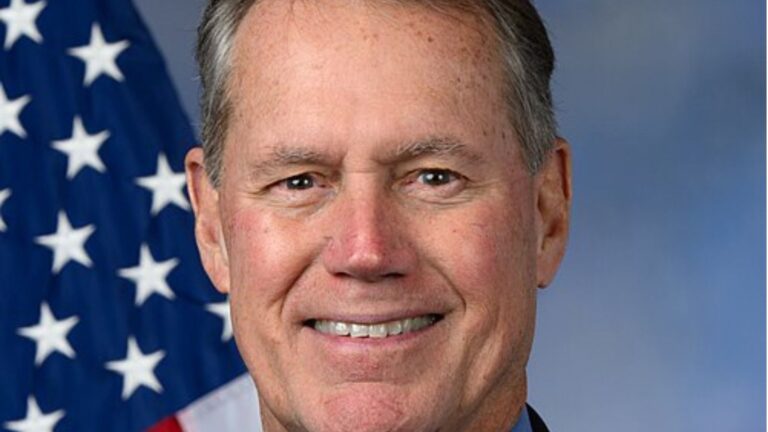
Michigan state Rep. Karen Whitsett has sparked a national conversation after saying she can no longer align herself with the Democratic Party because of her Christian beliefs.
Whitsett, a Detroit-area lawmaker, announced that she will not seek another term in office and said her decision was not based on political strategy but on her personal faith. She explained that her views on several major social issues had placed her increasingly at odds with the party she once represented.
“This is not a political calculation. It’s a spiritual decision,” Whitsett said while explaining her choice.
Her comments quickly drew attention because they touched on one of the most debated questions in American politics: Can someone be deeply Christian and still identify as a Democrat?
Whitsett believes the answer depends on whether a person’s political beliefs match their understanding of Scripture. For her, the gap became too wide to ignore.
Whitsett says Democratic policies conflict with her Christian beliefs
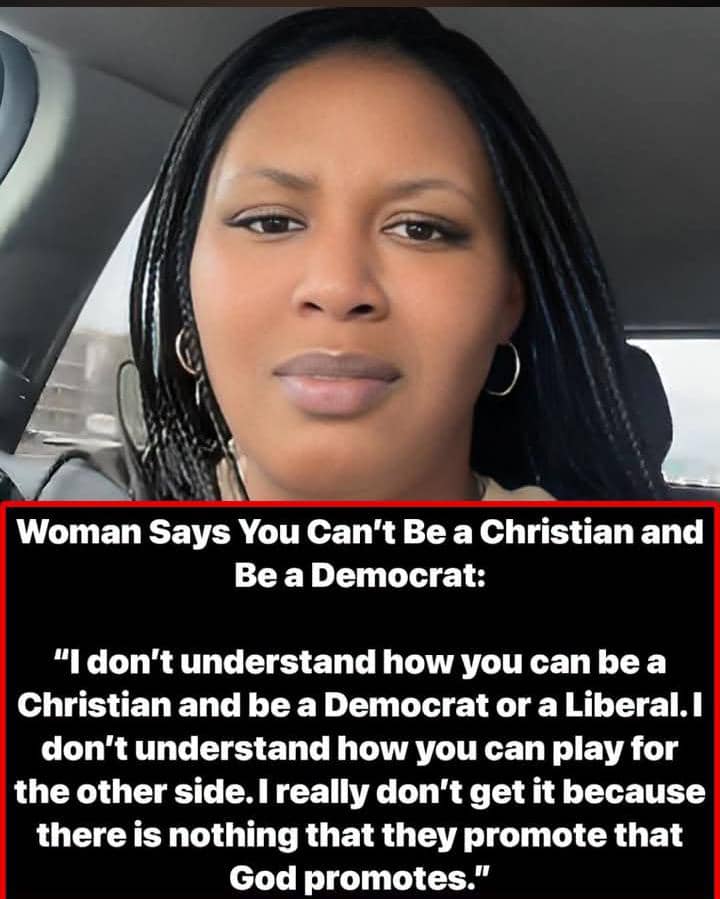
Whitsett said her decision came after years of disagreements with Democratic leaders over issues including abortion, LGBTQ policies and gender identity debates.
The Michigan lawmaker argued that some positions supported by her party did not reflect her interpretation of biblical teachings.
“I cannot reconcile that platform with Scripture,” Whitsett said.
She explained that her religious beliefs had become the most important factor in deciding her political future. Rather than continue serving in a party where she felt uncomfortable supporting major parts of its agenda, she chose to step away from elected office.
Whitsett has previously shown that she was willing to break with Democratic leadership when she disagreed with specific policies.
In 2023, she became a major point of discussion during debates over Michigan’s abortion laws. She opposed parts of a proposed package involving abortion access, including Medicaid funding for abortions and changes to the state’s waiting period rules. Because Democrats held a narrow majority in the Michigan House at the time, her position attracted significant attention.
The final legislation moved forward after changes were made, but the episode highlighted Whitsett’s willingness to challenge her own party.
Her latest announcement was another example of that independence. However, Whitsett did not announce that she was joining the Republican Party. Instead, she said she was leaving electoral politics because she felt her faith no longer allowed her to continue on the same path.
Democratic leaders push back against Whitsett’s decision
Whitsett’s announcement received a sharp response from Michigan Democratic Party Chair Curtis Hertel.
“Good riddance,” Hertel said.
His reaction showed just how divided the relationship had become between Whitsett and party leadership. While Whitsett framed her decision as a matter of conscience and faith, Democratic leaders viewed her departure through a political lens.
The disagreement reflects a much larger national debate inside both parties about the role of religion in politics.
For many conservative Christians, issues such as abortion and traditional views on marriage and gender are central to their political identity. They argue that government policies should reflect those beliefs.
Many progressive Christians, however, argue that their faith also guides them toward policies focused on healthcare access, poverty reduction, racial equality and support for vulnerable communities.
That divide means Christianity does not automatically point believers toward one political party.
Whitsett’s argument represents one side of that debate. She believes certain Democratic policies cross a line she cannot support as a Christian. Others disagree and believe their faith leads them toward Democratic policies and priorities.
The idea that Christians cannot be Democrats remains deeply debated
Whitsett’s statement that she could no longer be part of the Democratic Party because of her faith reflects her personal conviction. It does not represent the views of all Christians.
Polling has consistently shown that Christians exist across the political spectrum. Millions of Americans who identify as Christian vote for Democrats, while millions of others support Republicans.
Research from the Pew Research Center has found that a majority of Democratic voters identify as Christian, although the religious makeup of the party differs significantly from the Republican coalition.
Christian voters are not one single group. Their political choices are shaped by denomination, personal experiences, cultural background and the issues they believe matter most.
For example, many evangelical Christians have historically leaned Republican, especially on issues like abortion and religious freedom. At the same time, many Black Protestant voters have traditionally supported Democrats and often emphasize issues such as economic opportunity, civil rights and social programs.
The debate surrounding Whitsett’s comments reveals a larger challenge in American politics. Both major parties include people of faith, but they often interpret religious values in very different ways.
Whitsett’s decision highlights how personal convictions can sometimes become stronger than party loyalty. She concluded that remaining in office would require her to compromise on issues she considers deeply important.
Her message was clear: she believes faith must come before politics.
But the broader American debate continues. For some Christians, that means leaving a party they believe has moved too far from their values. For others, it means staying involved because they believe their faith calls them to fight for different priorities.
Whitsett’s story is not simply about one politician leaving one party. It is a reflection of a much larger question that has shaped American politics for generations: how should faith influence public life, and who gets to define what that faith requires?