Imagine a powerful storm knocking out your electricity for several days. You’ve stocked up on groceries and bottled water, but your phone is dead, your flashlight has no batteries, and you can’t open the canned food in your pantry. Suddenly, being prepared doesn’t feel quite so simple.
Many Americans focus on food and water when preparing for hurricanes, floods, and other emergencies. However, some of the most useful supplies are also easy to overlook.
According to Ready.gov, households should maintain enough essential supplies to manage independently for several days. These eight often-overlooked items deserve a place in your emergency plan before the next disaster disrupts your routine.
A Manual Can Opener
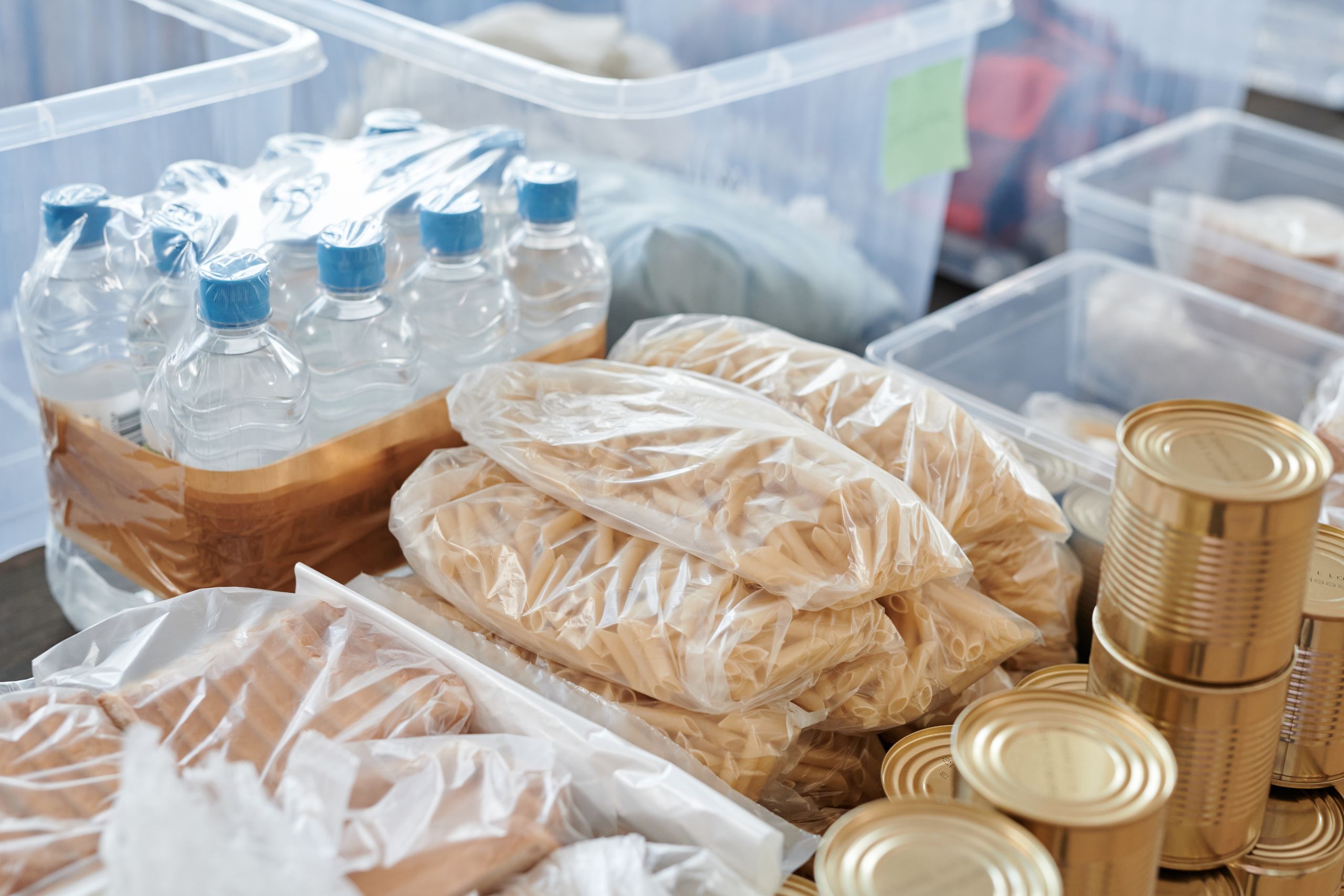
Stocking your pantry with canned beans, vegetables, and soup is a smart move. But what happens when your electric can opener stops working during a blackout?
A manual can opener is one of those inexpensive household tools that can make a surprisingly big difference during an emergency. Ready.gov specifically recommends including one in your emergency supplies.
Even if most of your canned foods have pull tabs, having a backup is useful. Keep it close to your emergency food supply so you won’t have to search through kitchen drawers when you need it most.
A Portable Charger and Extra Batteries
Your smartphone can become a lifeline during a disaster. It allows you to contact family members, receive weather alerts, and find important information. Unfortunately, a dead phone battery can quickly cut off those options.
The Centers for Disease Control and Prevention recommends keeping portable chargers and backup batteries available for essential devices.
Make sure your power bank is fully charged and that you have compatible charging cables. Also, check the battery sizes required by your flashlights and other emergency equipment. Having extra batteries is helpful, but having the wrong batteries won’t do you much good.
A Battery-Powered Emergency Radio
When electricity and internet service fail, getting reliable information can become difficult.
A battery-powered or hand-crank radio provides another way to receive emergency updates without depending entirely on your smartphone.
According to the National Weather Service, NOAA Weather Radio broadcasts official weather warnings, forecasts, and other emergency information.
Before severe weather arrives, test your radio and make sure you know how to use it. Check local reception and keep spare batteries nearby if your model requires them. Remember that radio coverage can also be interrupted, so it’s important to have more than one way to receive alerts.
Extra Prescription Medication and Medical Essentials
Imagine needing an important medication when pharmacies are closed and roads are blocked. For households that depend on regular prescriptions, this can become one of the most serious problems during an extended emergency.
The CDC recommends keeping at least a week’s supply of necessary prescription medications when possible. Talk with your pharmacist or healthcare provider about appropriate emergency refill arrangements.
It’s also helpful to keep a current medication list, important medical contact information, and spare prescription glasses if needed.
The goal isn’t to stockpile medication unnecessarily. It’s to make sure an unexpected disruption doesn’t leave you without essential treatment.
Personal Hygiene and Sanitation Supplies
Food and water are usually at the top of every emergency shopping list. But what about the everyday hygiene products your family relies on?
Soap, toothpaste, wipes, menstrual products, and other personal-care essentials can become difficult to replace when stores close. Ready.gov also recommends keeping garbage bags and plastic ties for personal sanitation.
These supplies become especially important when running water, regular waste collection, or bathroom facilities are unavailable.
Rather than buying unfamiliar products, keep a modest reserve of the items your household already uses. Remember that serious sanitation problems require following instructions from local health authorities.
Cash in Small Bills
Most people rarely think twice about paying with a debit card, credit card, or mobile wallet. But when a major storm knocks out electricity, payment terminals and ATMs may stop working.
Suddenly, having some cash available can make an important difference. Federal emergency preparedness guidance recommends keeping cash among your essential supplies.
Consider setting aside a manageable amount in smaller bills, based on your household’s needs and financial circumstances.
You don’t need to withdraw your entire savings. A modest reserve simply gives you another payment option when electronic systems are unavailable. Of course, cash won’t guarantee that stores remain open or that essential products will be available.
Copies of Important Documents and Emergency Contacts
Most of us store important information on our phones, assuming we’ll always be able to access it. Unfortunately, phones can run out of power, become damaged, or get lost during an evacuation.
That’s why keeping printed emergency contacts and copies of essential documents is a smart precaution. FEMA recommends protecting identification, insurance information, and other important records in a waterproof, portable container.
Include necessary phone numbers, medical information, and relevant insurance details. Keep these records secure and avoid carrying unnecessary financial information.
Having essential documents organized before an emergency can make it easier to contact relatives, request assistance, or begin recovering afterward.
A Working Carbon Monoxide Detector With Battery Backup
This final item isn’t something you should leave sitting in an emergency supply box. It should already be installed and working in your home.
Carbon monoxide is a dangerous gas that cannot be detected by smell. During power outages, the risk can increase when people improperly use generators or other fuel-burning equipment.
The CDC recommends installing battery-operated or battery-backup carbon monoxide detectors near sleeping areas. Check your detectors regularly and follow the manufacturer’s replacement instructions.
Most importantly, never operate a generator inside your home, garage, or another enclosed space. A detector is an additional warning device, not permission to use equipment unsafely.
Don’t Wait Until the Last Minute to Prepare
Disasters rarely happen at convenient times. A storm can interrupt electricity, transportation, and shopping routines with little warning. The good news is that emergency preparation doesn’t have to cost a fortune.
You can start by checking what you already own, identifying missing essentials, and adding supplies gradually. Ready.gov encourages households to build emergency kits over time rather than purchasing everything at once.
Remember that these eight items supplement the basics, including drinking water, nonperishable food, lighting, and first-aid supplies. Households with infants, pets, or additional medical needs should also prepare for those specific requirements.
It’s also important to review your supplies regularly. A discharged power bank or outdated medication list won’t be especially helpful during an emergency.
The biggest emergency preparation mistake isn’t necessarily forgetting to buy more food. It’s overlooking the small essentials that make your supplies usable. A little planning today could help prevent unnecessary stress when the unexpected happens.