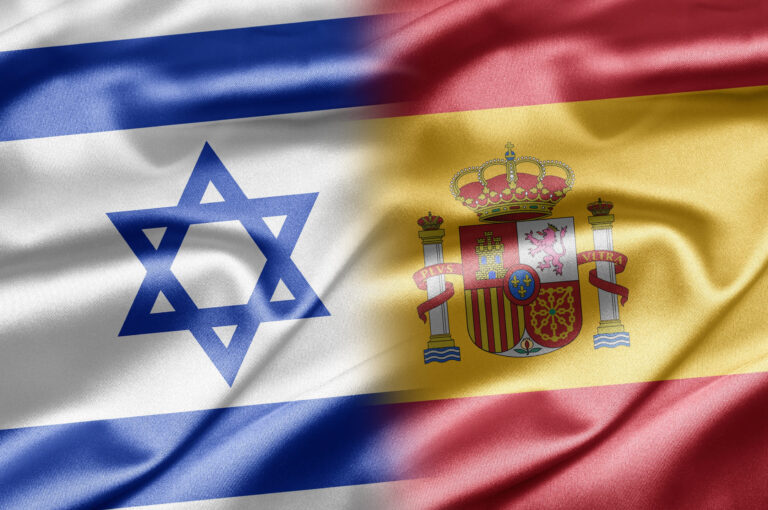
Europe is changing. Walk through many European cities today, and you will see a continent that looks different from the one many people remember decades ago. New cultures have arrived, communities have become more diverse, and debates over immigration, religion, and national identity have become some of the biggest political conversations across Europe.
One claim has gained major attention: that Europe is being “invaded” by Muslims and that Christianity is being deliberately pushed aside.
Supporters of this view argue that large-scale migration from Muslim-majority countries is changing Europe’s cultural landscape. Critics say the language of an “invasion” creates fear and ignores the real reasons behind Europe’s religious transformation.
So, what does the evidence actually show?
A Controversial Warning About Europe’s Future
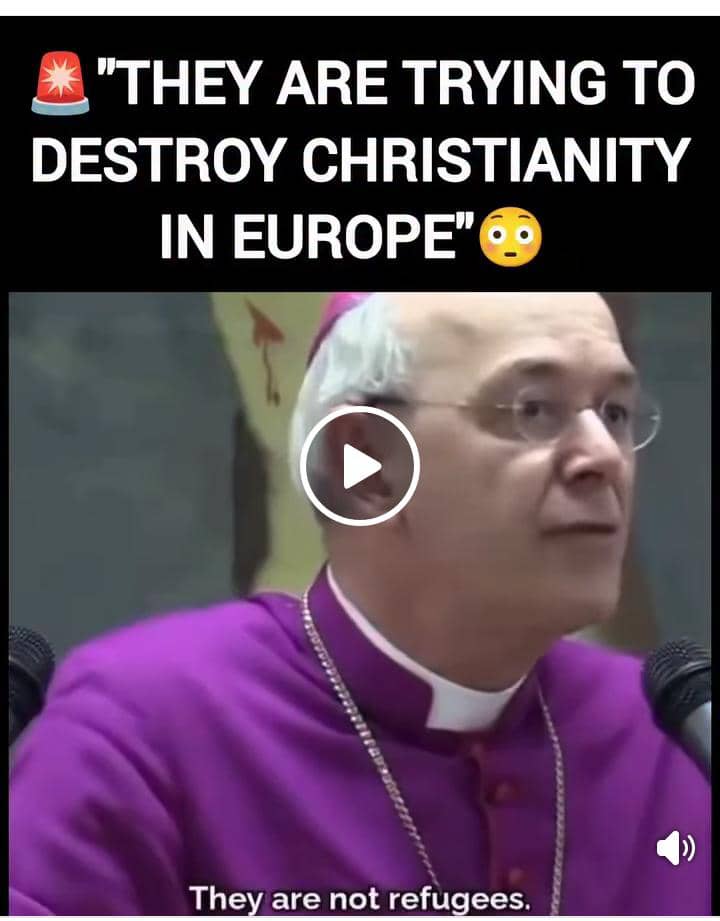
The debate grew after Catholic Bishop Athanasius Schneider warned that Europe was facing what he called a “mass Islamization.” His comments attracted attention because they connected migration with concerns about the future of Christianity on the continent.
Schneider argued that Europe’s traditional Christian identity was under pressure and that political leaders were allowing changes that could weaken European culture.
His comments sparked strong disagreement.
World Health Organization Director-General Tedros Adhanom Ghebreyesus pushed back against the idea that migrants should be described as a threat. He argued that people arriving in Europe are often individuals and families escaping difficult situations, not part of an organized campaign against the continent.
“This is not an army,” Tedros said while criticizing the idea of portraying migrants as a collective enemy.
The disagreement reflects a much larger divide in Europe. Some people believe immigration has moved too quickly and that governments have failed to protect national traditions. Others believe Europe can maintain its identity while also accepting people from different backgrounds.
The discussion is especially sensitive because Christianity has played a major role in shaping European history. Churches, Christian holidays, and religious traditions remain deeply connected to European culture, even as fewer Europeans actively practice religion.
The Numbers Tell a More Complicated Story
Europe’s Muslim population has grown, but the idea that the continent is being “taken over” does not match current demographic data.
According to research from the Pew Research Center, Muslims made up around 6% of Europe’s population in 2020. Christians remained the largest religious group, representing about two-thirds of Europe’s population.
The biggest religious change in Europe has not been the growth of Islam. It has been the decline of religious belief among Europeans themselves.
Many people who were raised Christian now identify as non-religious, atheist, or agnostic. Across much of Europe, younger generations are less likely to attend religious services or identify strongly with traditional faith communities.
This means Christianity’s decline is largely connected to changing European attitudes, lower birth rates and secularization.
Migration has contributed to Europe’s growing diversity, but migrants are not all Muslim. People arriving in Europe come from many different backgrounds, including Christian, Muslim, Hindu, Jewish, and non-religious communities.
The European Union has also seen changes in migration patterns over recent years. While migration remains a major political issue, official figures do not show evidence of an unstoppable religious takeover.
Europe’s challenges are real, but they are more complex than a simple story of one religion replacing another.
Protecting Culture Without Creating Division
Europe has the right to debate immigration, border security, and integration. Governments can decide who enters their countries, how immigration systems operate, and what expectations newcomers must follow.
Those conversations matter.
Concerns about integration are also real. European countries have faced debates about language learning, cultural differences, crime, radicalization, and whether newcomers are adapting successfully to local societies.
However, critics argue that describing millions of Muslims as “invaders” creates a false picture by treating an entire religious group as a single force with the same goals.
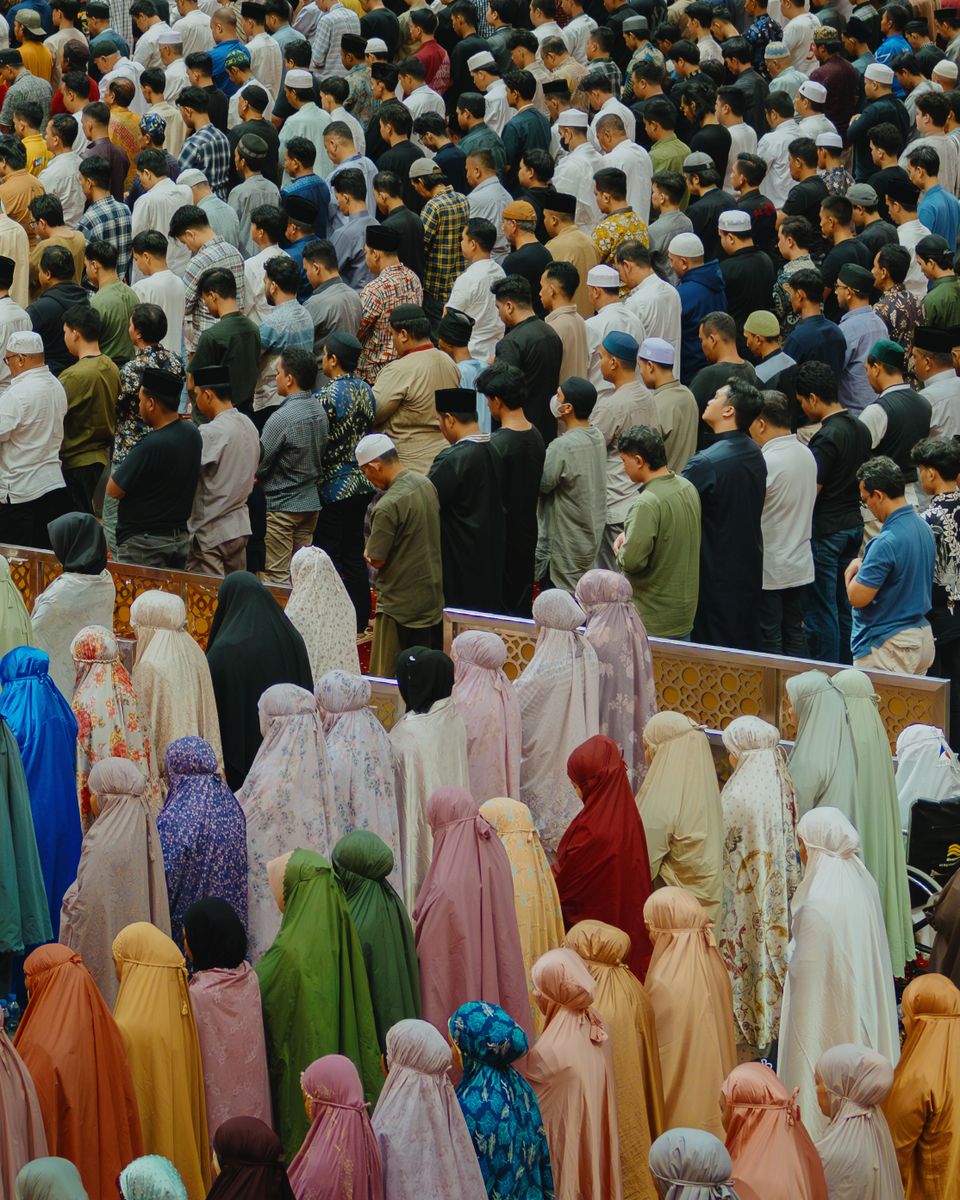
Europe’s Muslim population is not one unified group. It includes citizens born in Europe, families who have lived there for generations, refugees, professionals, business owners, and people with diverse political and religious views.
At the same time, protecting religious freedom means protecting everyone’s right to practice their faith, whether they are Christian, Muslim, Jewish or follow no religion at all.
Europe’s Christian heritage is not disappearing because another religion exists. Many historians and religious leaders argue that traditions survive when communities actively practice and pass them on.
The future of Christianity in Europe will likely depend less on immigration numbers and more on whether Europeans continue to value, teach, and participate in their own religious traditions.
The debate over Islam and Christianity in Europe is unlikely to disappear anytime soon. But the facts show a more complicated reality than the idea of a simple invasion.
Europe is changing. The challenge is deciding how to manage that change while protecting history, culture, and the rights of everyone who calls the continent home.