Some of the most useful cooking lessons never came from a written recipe. They came from watching a grandmother prepare dinner, listening to her explain why something wasn’t ready, or discovering that one ingredient could serve several purposes.
Traditional home cooks often relied on experience, observation, and repetition. Their methods weren’t always precise, but many reflected practical knowledge developed over years of preparing meals. These nine lessons remain useful, even in kitchens filled with modern appliances.
1. Taste Food Before Serving It
A recipe can provide measurements, but ingredients vary in flavor and strength. Grandma often tasted soup, sauce, or stew before deciding that it was ready.
She might add salt, pepper, herbs, or another seasoning gradually. The process helped avoid discovering a problem only after the meal reached the table.
Taste testing remains important for most cooked foods, although raw meat and other unsafe ingredients should never be sampled. Learning to adjust seasoning helps cooks become less dependent on exact instructions.
2. Keep the Heat Under Control
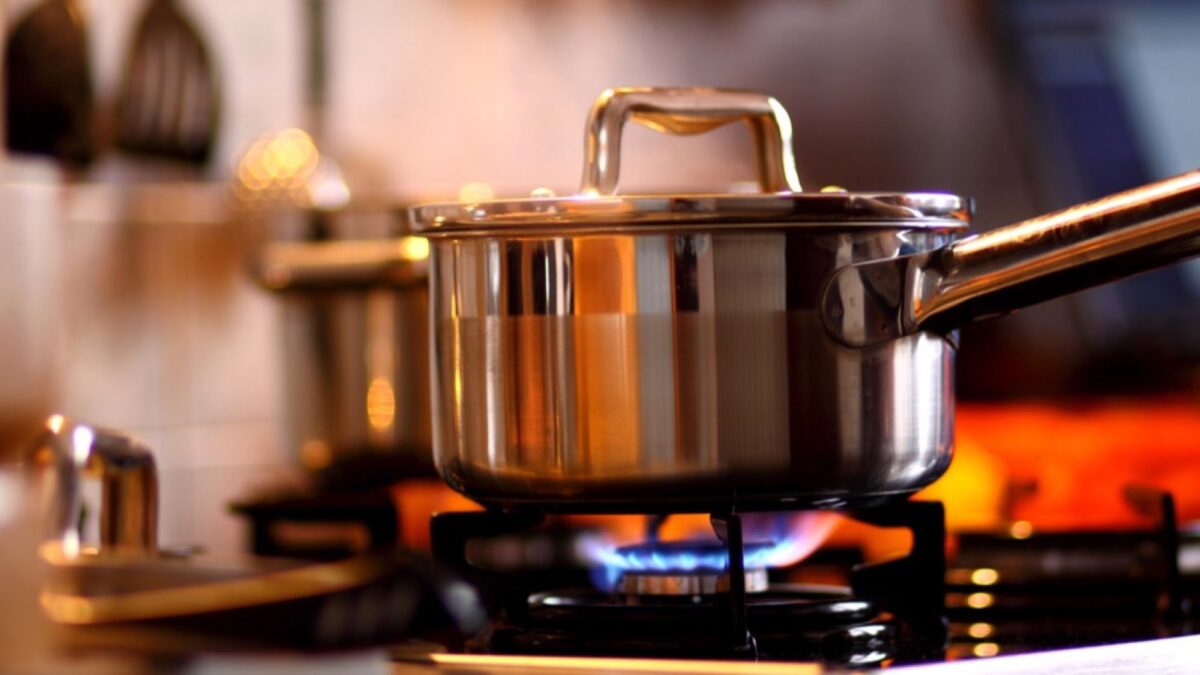
High heat doesn’t automatically mean faster or better cooking. Some foods require gentle simmering, while others benefit from short periods of intense heat.
Grandma often knew when to lower the stove without checking a recipe. She watched how ingredients browned, listened to the pan, and adjusted as necessary.
Understanding heat helps prevent burned sauces, dry meat, and uneven cooking. It’s one of the most useful skills for anyone learning to cook.
3. Don’t Waste Good Ingredients
A leftover vegetable, small amount of broth, or piece of bread could become part of another meal. Grandma might find a use for ingredients that seemed too insignificant to save.
This approach helped reduce waste, particularly when household budgets were limited. Small quantities of cooked vegetables could be added to soup or an omelet.
The principle still applies, provided food is stored and handled safely. Saving spoiled or questionable food isn’t economical if it creates a health risk.
4. Learn What Ingredients Can Replace Each Other
Experienced home cooks often adapted recipes to available ingredients. If a particular vegetable wasn’t available, another might provide a similar result.
Substitutions depend on the recipe. Replacing an ingredient in soup is usually easier than changing a critical ingredient in a delicate cake.
Learning which substitutions work allows cooks to respond to prices and availability. It also reduces unnecessary trips to the grocery store.
5. Prepare Ingredients Before Cooking
Chopping vegetables and measuring ingredients before turning on the stove makes cooking more manageable. This practice is especially useful for recipes that require several ingredients to be added quickly.
Grandma might not have used a technical name for the method. She simply knew that searching for an ingredient while something burned in the pan created unnecessary problems.
Preparation also helps cooks recognize missing ingredients early. That makes the entire process more predictable.
6. Take Care of Your Cookware
A well-used skillet, rolling pin, or baking pan could remain in service for decades. Grandma often cleaned and maintained cookware rather than replacing it frequently.
Cast iron, for example, benefits from appropriate cleaning, thorough drying, and seasoning when needed. Wooden utensils also require proper care to prevent damage.
A collection of practical kitchen tools illustrates how older households often valued durability and usefulness. Maintaining equipment can still reduce unnecessary spending.
7. Understand the Difference Between Simmering and Boiling
Not every liquid-based dish should cook at a vigorous boil. Soup, stock, stews, and sauces often benefit from controlled simmering.
A gentle simmer allows ingredients to cook steadily while reducing excessive evaporation. Delicate foods may also retain their texture better.
Recognizing the correct cooking temperature is more useful than following a timer without observation. Experience helps cooks understand when a dish needs more or less heat.
8. Keep Basic Pantry Ingredients Available
A well-stocked pantry makes it easier to prepare meals without constant shopping. Flour, rice, beans, pasta, canned tomatoes, and seasonings can form the basis of numerous dishes.
The ideal pantry depends on a family’s food preferences and dietary requirements. There is no need to buy ingredients that nobody will use.
The key is choosing versatile products and rotating them before they become outdated. That makes shopping more efficient and cooking less stressful.
9. Write Down the Recipes You Want to Keep
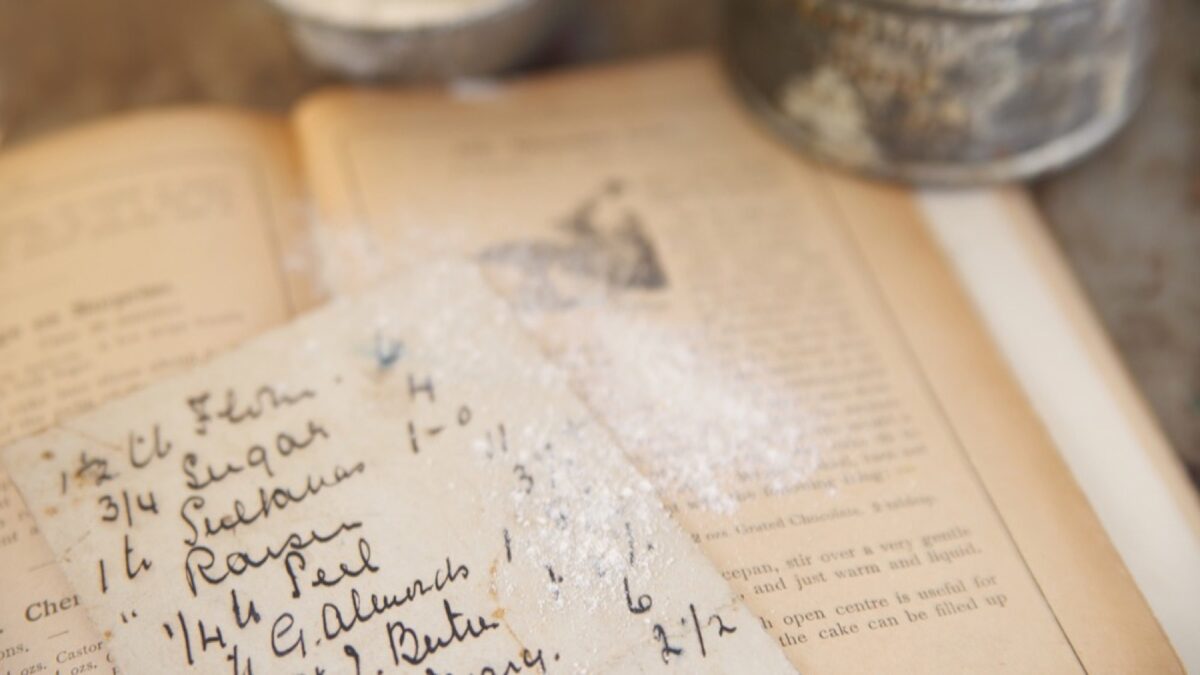
Some family recipes disappear because nobody records the ingredients or methods. A cook may know exactly how much seasoning to add but struggle to explain the amount.
Writing down measurements, preparation steps, and personal adjustments can preserve those recipes. Photographs or short videos can also document techniques that are difficult to describe.
The process is particularly valuable when cooking with older relatives. It allows families to preserve more than the name of a favorite dish.
Why These Lessons Still Matter
Modern appliances can make cooking faster, but they don’t replace every practical skill. Understanding heat, seasoning, food storage, and ingredient combinations remains useful.
The greatest value of traditional cooking knowledge is its flexibility. Experienced cooks learn to respond to what is happening in the kitchen rather than following instructions mechanically.
Grandma’s methods weren’t always perfect, and food safety guidance has improved over time. Still, many lessons remain practical foundations for anyone who wants to cook with greater confidence.
Passing those skills to another generation can be as simple as preparing dinner together. Sometimes, watching someone cook teaches more than reading a recipe.