We often believe a loved dog must automatically be a happy dog. We feed them, walk them, scratch their favorite spot behind the ear, and let them curl up near us at the end of the day. But dogs live inside a world shaped almost entirely by human choices, and some of our most normal daily habits can quietly make that world feel confusing, loud, tense, or unsafe.
Dog stress does not always look dramatic. It can show up as yawning when they are not tired, licking their lips when no food is nearby, pacing through the house, hiding under furniture, refusing food, chewing things, barking more than usual, or becoming unusually clingy. We may call it stubbornness, moodiness, or “bad behavior,” but very often, our dog is simply trying to cope with pressure they cannot explain.
The good news is that most hidden stressors are easy to fix once we recognize them.
Raising Our Voice Around the House Makes Dogs Feel Unsafe

Dogs do not need to understand every word we say to feel the emotional weight behind our voice. A sharp tone, sudden shouting, an angry phone call, a loud argument, or an explosive reaction on the TV can make a dog feel as if danger has entered the room. Even when the anger is not directed at them, many dogs respond with tucked tails, lowered ears, wide eyes, trembling, hiding, or nervous pacing because they are reading the energy, not the exact words.
We may forget that dogs hear more sharply than we do and often connect loud voices with conflict or punishment. A home filled with constant yelling can teach a dog to stay on alert, which keeps their nervous system from fully relaxing. Speaking calmly, lowering household noise during tense moments, and using a steady voice during correction can make the home feel much safer. A peaceful tone does not spoil a dog; it helps them trust the environment.
Changing Their Routine Too Often Creates Confusion
Dogs feel secure when life follows a rhythm they can predict. Feeding at wildly different times, skipping walks without warning, changing bedtime routines, or constantly moving their sleeping area can leave them unsure of what comes next. A dog that does not know when food, exercise, bathroom breaks, or rest will happen may become restless, demanding, anxious, or overly attached.
This does not mean every day must run like a military schedule. It means dogs benefit from dependable anchors. Morning potty breaks, regular meals, familiar walk times, and a predictable wind-down routine help them understand the flow of the day. When changes are unavoidable, we can soften the stress by keeping one or two familiar habits in place. Predictability is not boring to a dog; it is emotional safety.
Leaving Them Alone With No Preparation Can Trigger Anxiety
Some dogs handle alone time well, but many struggle when their person suddenly disappears for hours. We may see our exit as normal, but a dog may experience it as separation, uncertainty, or even panic. Signs can include whining, barking, scratching doors, drooling, destructive chewing, indoor accidents, or refusing to settle until we return.
The mistake many owners make is turning departures into dramatic emotional events. Long goodbyes, anxious energy, and guilty affection can teach a dog that leaving is a big deal. A calmer approach works better. We can practice short absences, offer safe enrichment, leave calmly, return calmly, and build independence gradually. A dog that learns alone time is predictable and safe is less likely to spiral into stress every time the front door closes.
Skipping Walks Removes More Than Exercise

A walk is not just a bathroom break or a way to burn energy. For dogs, it is mental stimulation, scent exploration, environmental learning, and social information. When we repeatedly skip walks or rush them through the same tiny route, we deprive them of one of their most important outlets. A stressed dog may then release that trapped energy through barking, jumping, chewing, digging, or restless movement indoors.
We should stop thinking of walks only as physical activity. A slow sniffing walk can be just as valuable as a fast-paced march around the block. Dogs gather information through scent, just as people do through reading, conversation, and observation. Allowing them to sniff, pause, choose safe directions, and explore calmly can lower stress and improve behavior at home. A tired dog is good, but a fulfilled dog is better.
Hugging Too Tightly Can Feel Trapping Instead of Loving
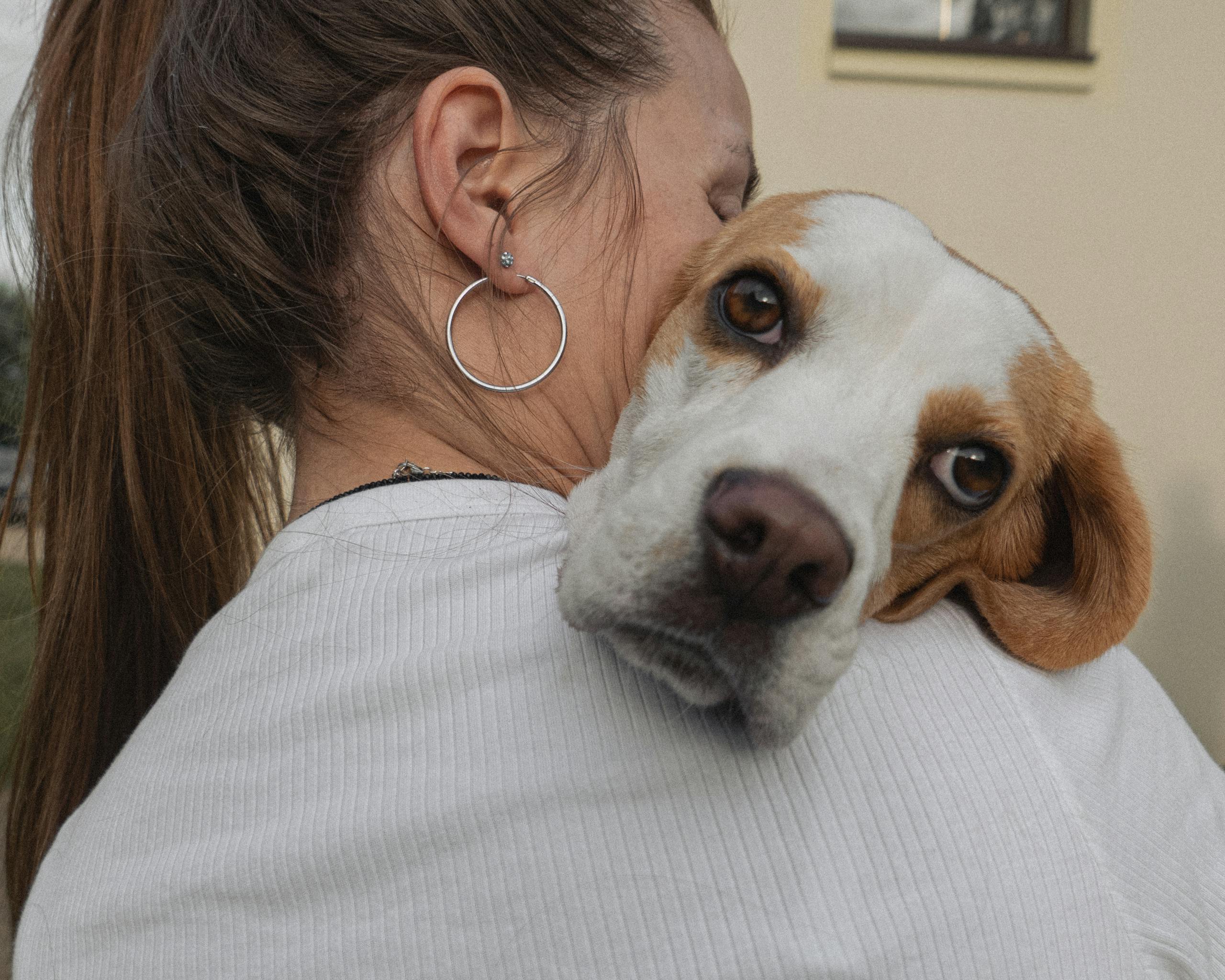
Humans often show love through hugs, but many dogs do not naturally enjoy being squeezed, restrained, or held tightly. Some tolerate it because they trust us, but tolerance is not always the same as enjoyment. A dog that turns their head away, licks their lips, yawns, stiffens, lowers their body, pins their ears back, or tries to leave may be politely asking for space.
This does not mean we should stop showing affection. It means we should offer affection in ways the dog actually likes. Many dogs prefer chest rubs, shoulder scratches, gentle side strokes, sitting nearby, or being invited into contact rather than pulled into it. The best affection gives the dog a choice. When a dog can move away without being forced back, their trust grows because love no longer feels like pressure.
Ignoring Their Body Language Makes Stress Build Quietly
Dogs are constantly communicating, but they often speak softly before they speak loudly. A yawn, lip lick, paw lift, head turn, stiff posture, slow movement, tucked tail, or sudden stillness can all be early signs of discomfort. When we miss these signals, a dog may feel forced to escalate into barking, growling, snapping, hiding, or shutting down.
We should treat body language as conversation, not an inconvenience. If a dog repeatedly moves away from a child, freezes during grooming, avoids eye contact with a stranger, or becomes stiff when touched, they are giving us valuable information. Respecting those signals early prevents bigger problems later. A dog that feels heard is less likely to feel desperate.
Constant Noise Keeps Their Nervous System on Alert
Dogs live much closer to the soundscape of the home than we realize. Loud music, blaring televisions, vacuum cleaners, fireworks, slamming doors, shouting children, construction noise, and constant alerts from phones can overwhelm sensitive dogs. Some breeds and individual dogs are especially reactive to noise, and repeated exposure can make them jumpy, clingy, or withdrawn.
A quieter home routine can make a major difference. We can create a calm, restful space away from busy rooms, lower the volume, introduce white noise to counter unavoidable outdoor sounds, and avoid forcing dogs to stay near loud appliances. Silence is not empty to a dog. It is recovery time. A dog that has a peaceful retreat is better equipped to handle the noisy parts of life.
Forcing Social Interaction Can Make Dogs Feel Cornered
Not every dog wants to greet every person, child, or other dog. Some dogs are social butterflies, but others are selective, shy, cautious, or easily overwhelmed. Forcing greetings at the park, allowing strangers to pet them without permission, or dragging them toward another dog can create serious stress. A dog that cannot escape may bark, lunge, freeze, hide behind us, or eventually bite out of fear.
We should become our dog’s advocate in social situations. It is acceptable to say, “No, they do not want to be petted,” or to cross the street when another dog approaches. Social confidence grows through safe, controlled experiences, not forced exposure. Dogs do not need endless greetings to be well-adjusted. They need respectful interactions that match their comfort level.
Leaving Them Bored for Hours Creates Mental Pressure
A bored dog is not always lazy. Sometimes boredom turns into stress because the dog has energy, instincts, and curiosity with nowhere to go. Dogs were bred for movement, scent work, guarding, retrieving, herding, companionship, and problem-solving. When their day consists only of sleeping, waiting, and eating, they may create their own entertainment by chewing, digging, barking, stealing items, or pestering people.
Mental enrichment does not have to be complicated. Puzzle feeders, scent games, training sessions, frozen treats, hide-and-seek, lick mats, safe chew items, and short skill-building exercises can help a dog feel engaged. Ten minutes of focused enrichment can calm a dog more effectively than an hour of chaotic attention. A stimulated mind often leads to a calmer body.
Ignoring Rest Time Can Make Dogs Irritable
Dogs need more sleep than many people realize, and puppies, seniors, and highly active dogs need even more recovery. A household that constantly wakes the dog, touches them while they sleep, lets children climb on them, or keeps them in nonstop activity can cause irritability and stress. A tired dog may become snappy, clingy, hyperactive, or unusually reactive.
We should protect a dog’s resting space the same way we protect a child’s sleep routine. Their bed, crate, or quiet corner should be treated as a safe zone. No teasing, grabbing, startling, or dragging them out for attention. Rest is not laziness. It is part of emotional regulation. A dog that sleeps well often behaves better because their body and brain have time to reset.
Feeding Them From the Table Can Create Anxiety Around Food
Sharing food may feel loving, but inconsistent table feeding can create confusion and tension. A dog that sometimes gets scraps and sometimes gets scolded for begging does not understand the rule. They may hover, whine, stare, bark, jump, or become frustrated during meals. In multi-dog homes, food sharing can also create competition and stress.
A clearer food routine helps everyone. We can give dog-safe treats in a controlled way, use a designated mat during human meals, or offer a chew or puzzle feeder before dinner begins. Dogs relax when rules are consistent. If food from the table is never offered, begging usually decreases. If special treats are allowed, they should be given calmly and intentionally, not as random rewards for pushy behavior.
Bringing New People, Pets, or Changes Into the Home Too Fast Can Overwhelm Them
Dogs notice changes in the home immediately. A new baby, new partner, new roommate, visiting relatives, another pet, moved furniture, renovation work, or a new schedule can disrupt their sense of control. Some dogs adjust quickly, but others need slow introductions and reassurance. Stress may appear as hiding, barking, clinginess, appetite changes, bathroom accidents, or guarding behavior.
Transitions should be handled with patience. We can keep familiar routines in place, introduce new people or pets gradually, reward calm behavior, and give the dog a safe escape space. Change becomes easier when the dog does not feel trapped inside it. The goal is not to prevent every life change. The goal is to help the dog understand that change does not mean they have lost safety, attention, or a sense of belonging.
Conclusion
Dogs do not ask for perfection. They ask for safety, patience, routine, and a little more effort from the humans who control their world. Many everyday habits that stress dogs are not cruel or intentional. They are simply human habits that make sense to us but feel overwhelming, confusing, or threatening to them.
The next time your dog acts strangely, we should pause before calling it bad behavior.