Some of today’s most celebrated foods have surprisingly modest beginnings. Lobster once carried a reputation as food for the poor, caviar appeared on free bar sandwiches, and brisket was an affordable cut for Texas barbecue cooks. Somewhere along the way, these everyday ingredients acquired an entirely different reputation.
Consider the numbers. In its 2025 barbecue survey, Texas Monthly reported an average price of $29 per pound for prepared brisket across the restaurants it examined, with some prices reaching $40. Meanwhile, a 2025 National Geographic feature recalled a time when American bartenders gave away caviar to encourage customers to buy drinks.
Food history rarely follows a straight road from poverty to luxury. Availability, transportation, changing tastes and restaurant culture all help shape what people value. These eight foods show how dramatically those perceptions can change.
Lobster: From Low-Status Seafood to Luxury Dining
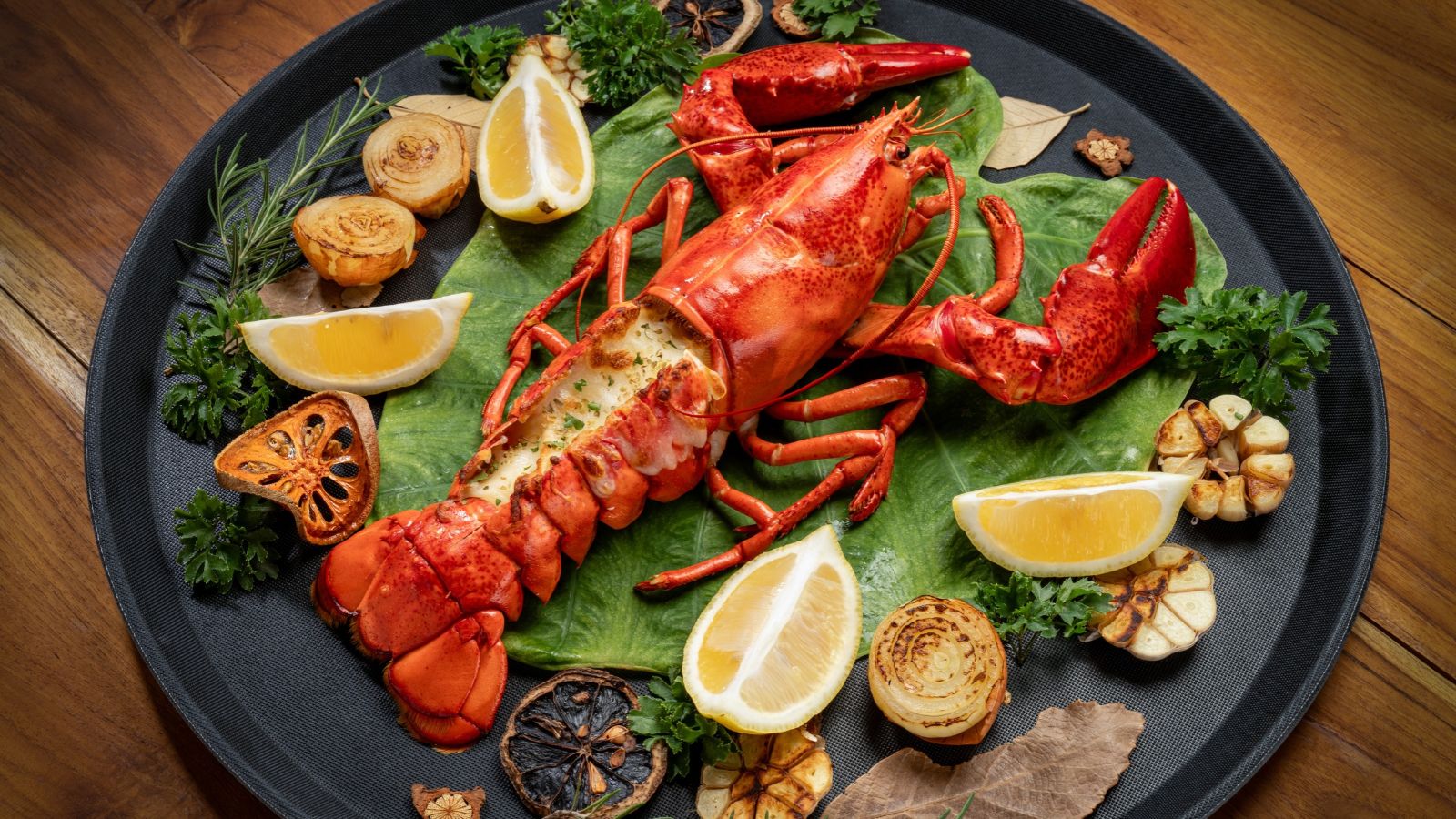
Today, lobster brings to mind elegant seafood dinners and special occasions. But that wasn’t always its reputation. A historical review published in the ICES Journal of Marine Science explains that lobster was associated with poorer communities in parts of Europe and North America during the 17th and 18th centuries.
By the mid-19th century, its reputation had changed considerably. Improvements in fishing, preservation and transportation helped bring lobster to more distant markets. One famous story claims colonial authorities limited how frequently servants or prisoners could be fed lobster. However, historians have questioned that tale, and no supporting law was verified.
The documented transformation is fascinating enough without the legend: once considered ordinary in some coastal communities, lobster eventually became fashionable seafood.
Oysters: Once an Everyday Urban Favorite
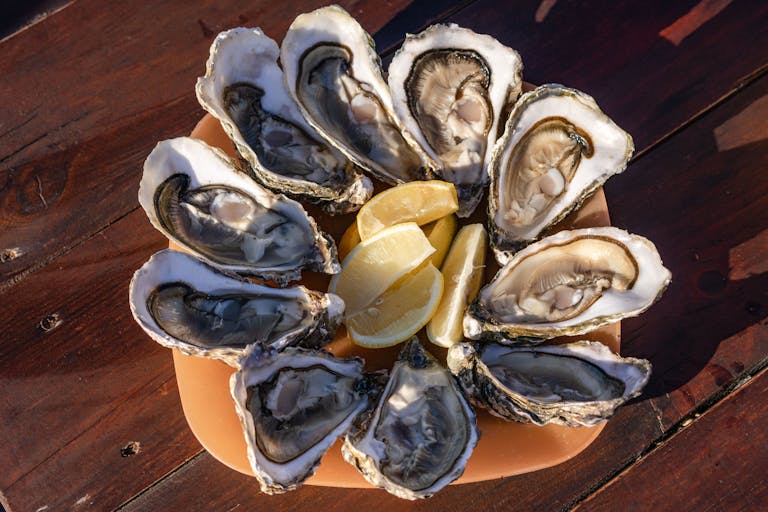
Oysters weren’t always reserved for seafood towers and elegant dining rooms. During the 18th and 19th centuries, they were widely consumed in parts of Europe and North America, including by working-class city residents.
According to BBC Future, oysters appeared in inexpensive stews, baked dishes and everyday meals. Their abundance helped make them accessible, but intensive harvesting and environmental changes gradually affected supplies.
Importantly, oysters also appeared at wealthy banquets during their inexpensive years. Their history isn’t a simple story of one social class replacing another. Instead, it shows how the same seafood could occupy different places on the dining table, depending on location, availability and occasion.
Caviar: From Free Bar Snacks to Expensive Delicacy
Of all the foods associated with extravagance, caviar might have one of the most unexpected American histories. According to a 2025 National Geographic report, New York bartenders in the 1880s served free sandwiches topped with sturgeon roe.
The idea was straightforward: salty caviar encouraged customers to buy drinks. America had an abundant sturgeon industry at the time, particularly around the Delaware River. That supply helped support both inexpensive domestic consumption and an international export trade.
Caviar was already valued in European markets, so it would be misleading to suggest that everyone once regarded it as cheap food. The remarkable contrast is that something associated with lavish dining could also appear as a complimentary American bar snack.
Oxtail: The Traditional Cut That Became Restaurant-Worthy
Oxtail has long occupied an important place in Black and Caribbean cooking traditions, where slow preparation turns a tough cut into a richly flavored dish. Historically associated with practical, economical cooking, the cut has gained greater attention from chefs and restaurants.
In a 2023 TODAY report, food writer Brigid Washington discussed how foods once associated with subsistence cooking had gained prestige and financial value. Agriculture Dive separately reported in 2024 that growing demand had helped create a more valuable market for oxtail.
There’s also a simple supply limitation: each animal provides only one tail. For people who have cooked oxtail for generations, its fashionable reputation can feel bittersweet. A familiar household ingredient has become more expensive as new diners discover dishes built around it.
Related: 9 Beloved Foods That Began as Poverty Staples
Brisket: From Affordable Barbecue Cut to Premium Centerpiece
Brisket’s place in Texas barbecue seems so established that it’s easy to assume the cut was always the star. But its prominence developed over time.
According to Texas Monthly’s historical reporting, changes in beef distribution during the 1960s allowed pitmasters to purchase individual cuts, including relatively affordable brisket. As Texas barbecue gained recognition, premium preparation and higher-grade meat became increasingly important.
The financial transformation is striking. Texas Monthly’s 2025 restaurant research found an average prepared-brisket price of $29 per pound, with the highest listed price reaching $40. Those figures concern restaurant barbecue, not raw meat at grocery stores.
Brisket remains part of everyday barbecue traditions, but its appearance on premium menus shows how dramatically an affordable cut can change in status.
Polenta: The Italian Staple That Reached Fine Dining
Polenta proves that an ingredient doesn’t need to be expensive to become elegant. Made from ground corn cooked slowly in water, polenta became a staple among poorer communities in northern Italy.
Food historian Francine Segan explains in La Cucina Italiana that corn reached Italy during the 1500s, eventually becoming central to regional cooking. But wealthier diners also enjoyed elaborate versions topped with rich sauces.
That tradition continues in contemporary restaurant cooking. Great Italian Chefs documents dishes featuring polenta mousse, seafood and carefully composed vegetable preparations. The basic ingredient hasn’t necessarily become a luxury commodity.
Instead, the transformation often happens through technique, presentation and accompanying ingredients. A humble bowl of polenta can remain simple comfort food or become the foundation of a sophisticated restaurant dish.
Pizza: From Neapolitan Street Food to Global Favorite
Pizza’s rise is one of the great stories of culinary reinvention. In Naples, it developed as an inexpensive meal associated with ordinary working people.
A CNN historical feature traces how migration helped carry Neapolitan pizza traditions beyond Italy, eventually contributing to its international popularity. But pizza wasn’t exclusively a working-class food. Historian Diego Zancani described royal interest in the dish, including a pizza oven reportedly installed at a Bourbon king’s summer residence.
Today, pizza ranges from inexpensive takeout to elaborate restaurant creations. That doesn’t make it exclusively a wealthy person’s favorite. Its story is better understood as a journey across social boundaries.
The beauty of pizza is that its humble foundations remain recognizable, even when chefs give them an extravagant interpretation.
Quinoa: An Indigenous Staple That Became an International Trend
Quinoa’s journey into fashionable food markets offers a more recent example of changing culinary status. Long cultivated and consumed in the Andes, quinoa became increasingly popular among shoppers in the United States and Europe.
According to NPR’s reporting, quinoa prices tripled between 2006 and 2013 during the international demand boom. Prices then began falling in February 2014, demonstrating that its market rise wasn’t permanent.
NPR’s examination of Peruvian household research also challenged the widespread assumption that international demand had uniformly harmed local communities. Experiences varied, and producers benefited during the boom.
Unlike lobster or caviar, quinoa’s story isn’t primarily about restaurant extravagance. It illustrates how an established Indigenous food can gain international prestige while continuing to carry cultural and economic importance in its place of origin.
Why Humble Foods Become Expensive
These eight foods reveal something interesting about the relationship between food and status. Lobster and oysters became more desirable as markets and supplies changed.
Brisket and oxtail gained prestige through restaurant cooking. Polenta and pizza demonstrated how simple ingredients could cross social boundaries, while quinoa experienced a remarkable international demand boom. None followed exactly the same path, and wealthier diners didn’t invent the traditions that made these foods special.
Perhaps that’s the most meaningful part of their stories. Long before a luxury menu attached an impressive price tag, someone already knew how to make these ingredients delicious. Fashion may change what a food costs, but it doesn’t erase the people and kitchens that gave it a place at the table.
OTHER POSTS YOU MAY LIKE
- The Transformation of Six Humble Foods
- Tomato and White Bean Stew — A comforting recipe that can be served over quinoa or polenta.