Some salads need more than another handful of iceberg or romaine. Not because there’s anything wrong with the familiar favorites, but because lettuce has a whole world of textures, colors and flavors waiting beyond the usual grocery-store choices.
The variety is remarkable. In 2025, the Royal Horticultural Society tested 30 lettuce varieties across two gardens in England, with four earning new Awards of Garden Merit. The trial explored differences in growing performance, appearance and taste, showing just how much one humble salad ingredient can vary.
From buttery leaves that fold softly around fillings to frilly red varieties that make a salad look almost too pretty to eat, these nine options deserve a closer look. Some are closely related, but each brings something distinctive to the table.
Boston Lettuce: Soft Leaves With a Gentle Touch
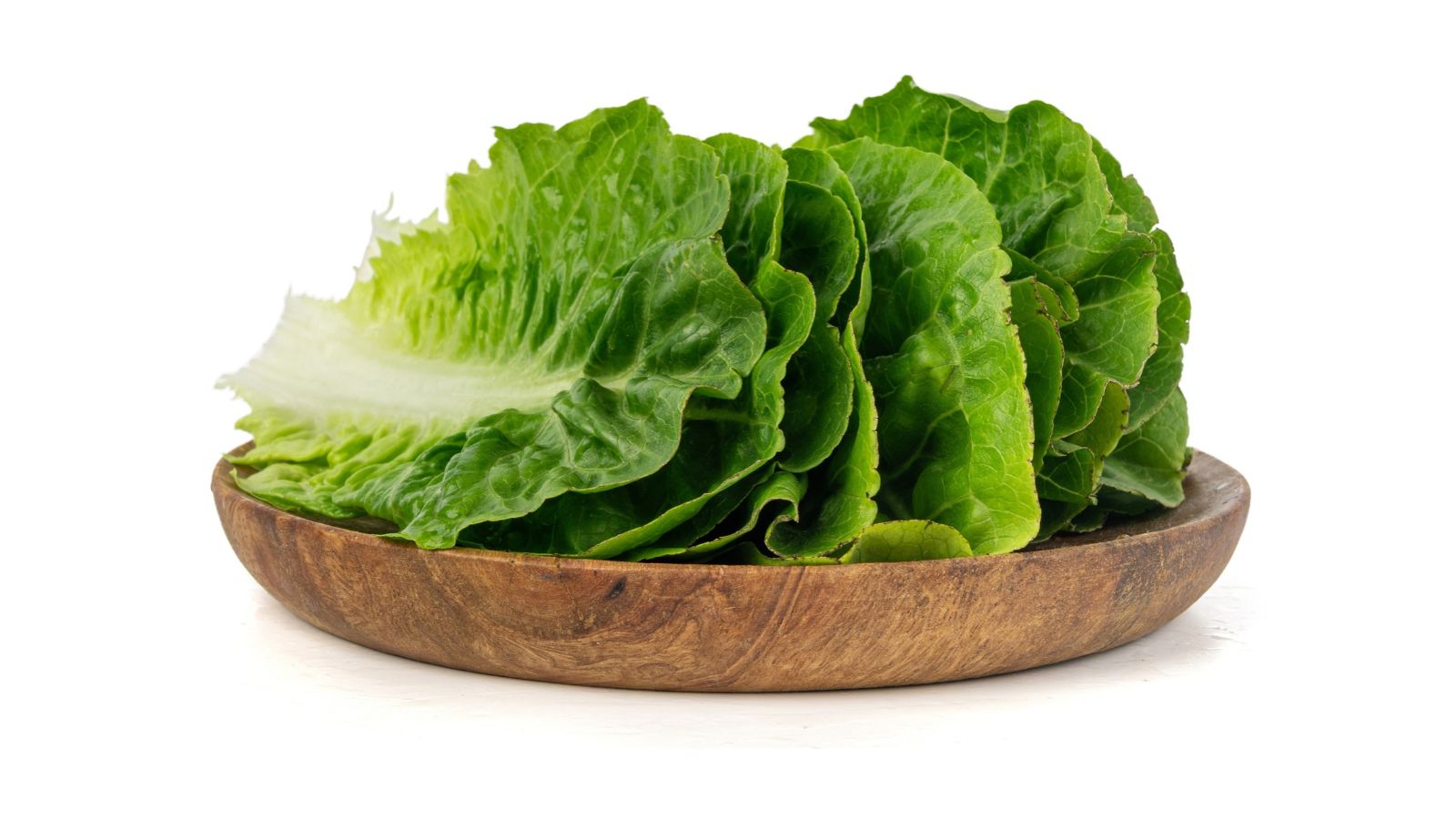
Boston lettuce belongs to the butterhead family, known for its tender leaves and mild flavor. According to the University of Maryland Extension, Boston and Bibb are two familiar examples of this group.
Johnny’s Selected Seeds describes Boston-type lettuce as having relatively large, loose heads with smooth, light-green leaves. Unlike iceberg’s tightly packed structure, Boston has a softer, more delicate appearance.
That makes it an appealing choice when you want a salad with a gentle texture rather than a loud crunch. Its tender leaves can also work nicely in sandwiches. If your usual lettuce feels too firm, Boston offers a quieter, softer alternative.
Bibb Lettuce: Small, Tender and Beautifully Folded
Bibb lettuce shares Boston’s butterhead heritage but generally comes in smaller, more compact heads.
Johnny’s Selected Seeds describes Bibb varieties as compact rosettes with ruffled outer leaves surrounding a soft, folded heart. The supplier also characterizes their flavor as sweet and tender, although that description isn’t the result of a standardized consumer taste test.
Bibb’s small leaves make it especially appealing when presentation matters. Rather than piling a mountain of chopped lettuce into a bowl, you can let the individual leaves become part of the arrangement. Sometimes, a beautiful salad begins with choosing the right shape.
Buttercrunch: A Little More Bite in a Butterhead
With a name like Buttercrunch, you might expect something halfway between soft butter lettuce and crisp iceberg. The reality is more interesting.
Buttercrunch is a named butterhead cultivar that Johnny’s Selected Seeds places within its Bibb lettuce category. It produces dark-green leaves around compact, yellowish hearts, forming a fan-shaped rosette. The supplier describes plants measuring approximately six inches across when fully developed.
However, the name doesn’t mean Buttercrunch is immune to challenging growing conditions. In the RHS’s 2025 trial, it was among the lettuces that bolted during warm weather. For the dinner table, Buttercrunch offers a pleasant middle ground between soft leaves and a slightly firmer bite.
Black Seeded Simpson: Light Green and Wonderfully Curled
Black Seeded Simpson sounds mysterious, but the name doesn’t refer to dark lettuce leaves. This loose-leaf variety produces light-green, curled foliage with a tender texture.
Johnny’s Selected Seeds has described it as a bright, softly curled lettuce, while McKenzie Seeds identifies it as suitable for repeated leaf harvesting. Its loose-growing form makes it visually different from the compact heads of Boston and Bibb.
One shopping detail is worth knowing: Johnny’s has discontinued its seed listing, although other suppliers continue offering the cultivar. That doesn’t establish whether fresh Black Seeded Simpson is available at your local supermarket. Still, for gardeners interested in loose-leaf lettuce, it remains a recognizable option.
Red Sails: A Splash of Color With a History
Red Sails can make an ordinary salad bowl look like someone added a little sunset. Its crinkled leaves carry bronze-red coloring mixed with green, creating a striking contrast against lighter lettuce varieties. And it has an interesting credential.
All-America Selections named Red Sails a national edible-vegetable winner in 1985, recognizing its garden performance. That award doesn’t prove everyone prefers its flavor to romaine or iceberg, but it does establish the cultivar’s horticultural history.
Red Sails is another loose-leaf lettuce, making it suitable for gardeners who enjoy harvesting individual leaves. For the kitchen, its main attraction is visual variety. Sometimes, color alone can make a familiar salad feel new again.
Related: 7 Best Vegetables for Apartment Gardening explores growing lettuce and other vegetables in limited spaces.
Green Oakleaf: Delicate Leaves With Distinctive Shapes
Green oakleaf lettuce earns its name from the lobed leaves that resemble those of an oak tree. Unlike the familiar elongated leaves of romaine, oakleaf creates a softer, more decorative appearance.
One documented example is Green Salad Bowl, a loose-leaf cultivar identified by Johnny’s Selected Seeds. The Royal Horticultural Society retained its Award of Garden Merit in 2025, with judges describing the leaves as green and clean-tasting.
The RHS plant profile also describes the variety’s deeply lobed leaves and suitability for repeated harvesting. If you enjoy building salads with interesting shapes rather than relying entirely on toppings, green oakleaf offers a simple way to change the look of your plate.
Red Oakleaf: Familiar Shape, Richer Color
Red oakleaf brings the characteristic lobed shape of oakleaf lettuce into a more colorful direction. Johnny’s Selected Seeds identifies Garrison as one red oakleaf cultivar developed for baby-leaf production.
Its red foliage creates a contrast against green lettuce, making it especially useful when combining several varieties in one bowl. The appeal is largely visual, although individual cultivars can differ in texture and flavor.
It’s important not to assume that red coloring automatically makes a lettuce sweeter or longer-lasting than green varieties. The available evidence doesn’t establish that comparison. For someone bored with an all-green salad, however, red oakleaf offers a straightforward change without introducing a completely different vegetable.
Lollo Rossa: The Frilly Lettuce That Steals Attention
Some lettuces seem almost decorative, and Lollo Rossa is one of them. The Royal Horticultural Society identifies it as a loose-leaf lettuce with deeply frilled, red-edged leaves.
Its appearance is quite different from the orderly shape of romaine or the rounded firmness of iceberg. Johnny’s Selected Seeds describes Lollo lettuces as loose-headed varieties with broad, heavily frilled foliage, suitable for garnishes and baby-leaf production.
Lollo Rossa appeared among the 30 entries in the RHS’s 2025 lettuce trial, although it wasn’t one of the four new award winners. That distinction doesn’t diminish its appeal as a salad ingredient. When presentation matters, its elaborate leaves can make even a simple bowl of lettuce look thoughtfully assembled.
Batavia Lettuce: The Middle Ground Between Soft and Crisp
Batavia lettuce offers something for people who don’t want to choose between tender leaves and firm crunch. Also known as summer crisp or French crisp, this lettuce grouping has ruffled heads and characteristics that fall between loose-leaf and crisphead varieties.
University of Minnesota Extension recognizes these three names as referring to the same general grouping. Johnny’s Selected Seeds describes mature Batavia heads as relatively compact and substantial, with leaves that offer more structure than many softer lettuces.
The group is also recognized for relative tolerance of warmer growing conditions. That doesn’t mean every Batavia variety can withstand unlimited heat without bolting. Growing performance still depends on the cultivar and conditions. For salads, Batavia is worth trying when you want something crisp but different from traditional iceberg.
Your Next Salad Doesn’t Have to Look Like the Last One
Lettuce offers much more variety than two familiar supermarket choices might suggest. Boston, Bibb and Buttercrunch bring different expressions of the butterhead family. Oakleaf varieties offer beautiful lobed leaves, while Red Sails and Lollo Rossa contribute color and dramatic shapes. Batavia provides another option when a firmer texture sounds appealing.
These nine choices aren’t nine unrelated botanical groups, and availability varies between stores and seed suppliers. But that doesn’t make exploring them any less interesting.
The next time you prepare a salad, consider trying just one unfamiliar lettuce alongside something you already enjoy. A different leaf shape, softer texture or touch of red might be all it takes to make an ordinary bowl feel special.