Death does not always kick down the door. Sometimes it pulls into the driveway after a long commute, sits beside the couch during a Netflix binge, hides in a fake pill at a party, or waits quietly inside a symptom someone keeps ignoring because “it’s probably nothing.”
That is what makes ordinary risks so dangerous. Americans are used to dramatic warnings, but many of the things shortening lives look painfully normal. A hot apartment. A bad sleep schedule. A bottle opened every night.
A grocery cart full of ultra-processed food. A staircase without a handrail. A phone is buzzing in the car. These things rarely feel deadly in the moment, which is exactly why they can be so dangerous.
Ignoring Chest Pressure Until It Becomes a Crisis

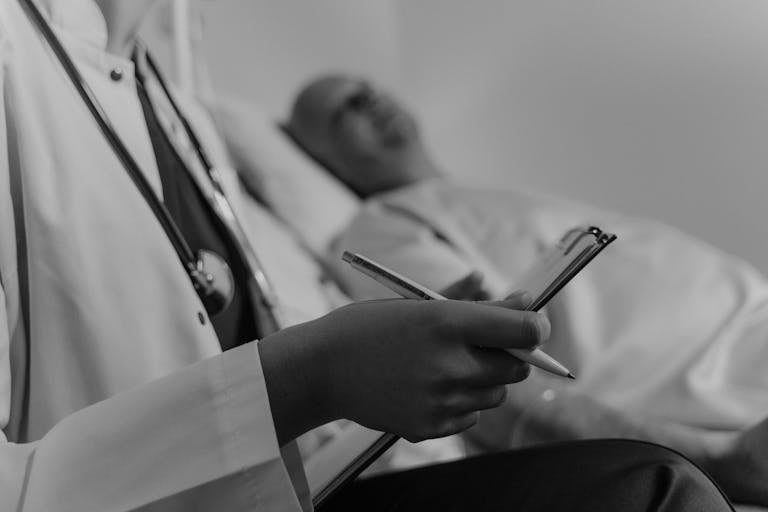
Americans are masters at explaining away symptoms. Chest tightness becomes stress. Shortness of breath becomes a sign of being out of shape. Fatigue becomes a bad week. A strange ache in the arm or jaw gets filed under “I’ll deal with it later.”
That delay can be deadly. Cardiovascular disease accounted for roughly one in three U.S. deaths in 2022. The scary part is that heart trouble does not always arrive like a movie scene. Sometimes it looks like pressure, sweating, nausea, weakness, or discomfort that people keep trying to outwait.
Driving Like the Road Is Harmless
Driving is so normal in America that people forget how dangerous it is. Someone checks a text at a red light. Another person speeds because they are late for work. A tired parent drives home after a double shift, hoping coffee can do the job of sleep.
The road remains one of the country’s everyday killers. Traffic crashes killed 39,254 people in 2024. Those numbers are not just highway statistics. They are school runs, grocery trips, date nights, commutes, delivery routes, and ordinary drives that were supposed to end safely.
Treating Alcohol Like It Is Harmless Fun
Alcohol is stitched into American life so tightly that danger can hide behind celebration. It shows up at football Sundays, weddings, cookouts, holidays, happy hours, breakups, birthdays, vacations, and quiet nights when someone says they just need to take the edge off.
The risk reaches far beyond drunk driving. Excessive alcohol use caused about 178,000 yearly deaths in the United States during 2020 and 2021. That does not mean every drink ruins a life. It means Americans deserve a more honest conversation about a habit often sold as relaxation.
Sleeping Too Little and Calling It Hustle
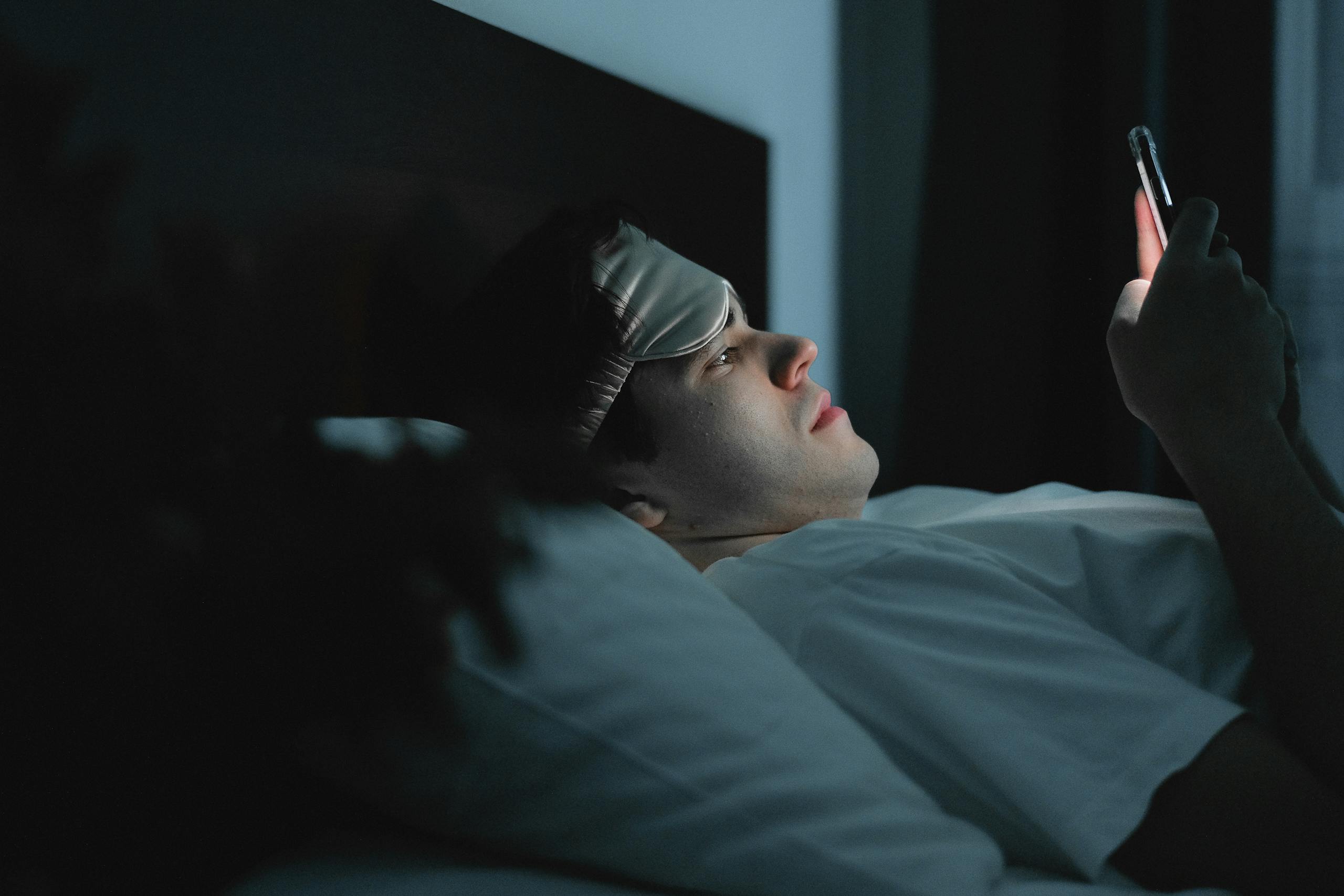
America loves tired people until their bodies start breaking down. We praise early alarms, late emails, side hustles, night shifts, parenting exhaustion, and “grind culture” as if sleep is optional. Then people wonder why they feel anxious, foggy, hungry, irritable, and physically worn out.
Sleep debt is not just a lifestyle problem. It can weaken judgment, affect mood, increase stress, and slow recovery. The danger is quiet because sleep loss does not always feel dramatic. It simply chips away at health until the body starts sending louder warnings.
Sitting All Day Like the Body Was Built for It
A lot of Americans spend the day in a chair, then unwind in another chair, then fall asleep with a phone in hand. Office work, long commutes, streaming, gaming, remote jobs, and screen-heavy routines have made sitting feel normal. The body, however, does not always agree.
The problem is not one lazy afternoon. It is the daily pattern of barely moving for hours, then expecting the body to keep performing as if nothing had happened. A short walk, standing breaks, stretching, and less couch-to-desk living may sound small, but small movement can become a quiet form of protection.
Eating Ultra-Processed Food Like It Is Just Convenience
Ultra-processed food is everywhere because it is cheap, fast, tasty, and built for busy American life. Breakfast bars, frozen meals, packaged snacks, sugary drinks, instant noodles, fast food, and ready-to-heat dinners can feel like survival when time and money are tight.
The danger is not one frozen pizza or one drive-thru meal after a long day. It is a whole food routine built around convenience, salt, sugar, refined carbs, and additives that make real nourishment feel like extra work. Over time, the easiest option can become the option that quietly wears the body down.
Letting Loneliness Become Normal

Loneliness does not always look like sadness. It can look like working from home in silence, eating dinner alone, scrolling for connection, living far from family, losing friends after divorce, or being surrounded by people who never really know you.
The health risk is bigger than many people realize. Lacking social connection has been compared with health risks similar to smoking up to 15 cigarettes daily. That makes loneliness more than an emotional issue. It is a public health warning hidden inside ordinary isolation.
Underestimating Extreme Heat
Heat does not always feel like an emergency. It looks like a Little League game, a construction shift, a backyard cookout, a walk to the bus stop, or an apartment with weak air conditioning. People tell themselves they can handle it because they have handled hot days before.
That confidence can be dangerous. Older adults, children, outdoor workers, people with chronic illness, and households without reliable cooling face the greatest risk. A hot day is no longer just uncomfortable; it’s dangerous. In the wrong room, in the wrong body, at the wrong hour, it can become lethal.
Falling at Home and Thinking It Is Just Bad Luck
A fall can sound minor until it happens to the wrong person in the wrong place. A loose rug, wet bathroom floor, icy step, dark hallway, weak railing, or quick climb onto a chair can change a life in seconds. For older Americans, the home can be both a safe place and a hidden danger zone.
The cruel part is that many fall risks look boring. Better lighting, grab bars, cleared walkways, safer shoes, and honest conversations about balance may not sound dramatic, but they can save lives. Sometimes the most important safety fix is not expensive. It is noticing the danger before the accident happens.
Trusting a Pill Because It Looks Familiar
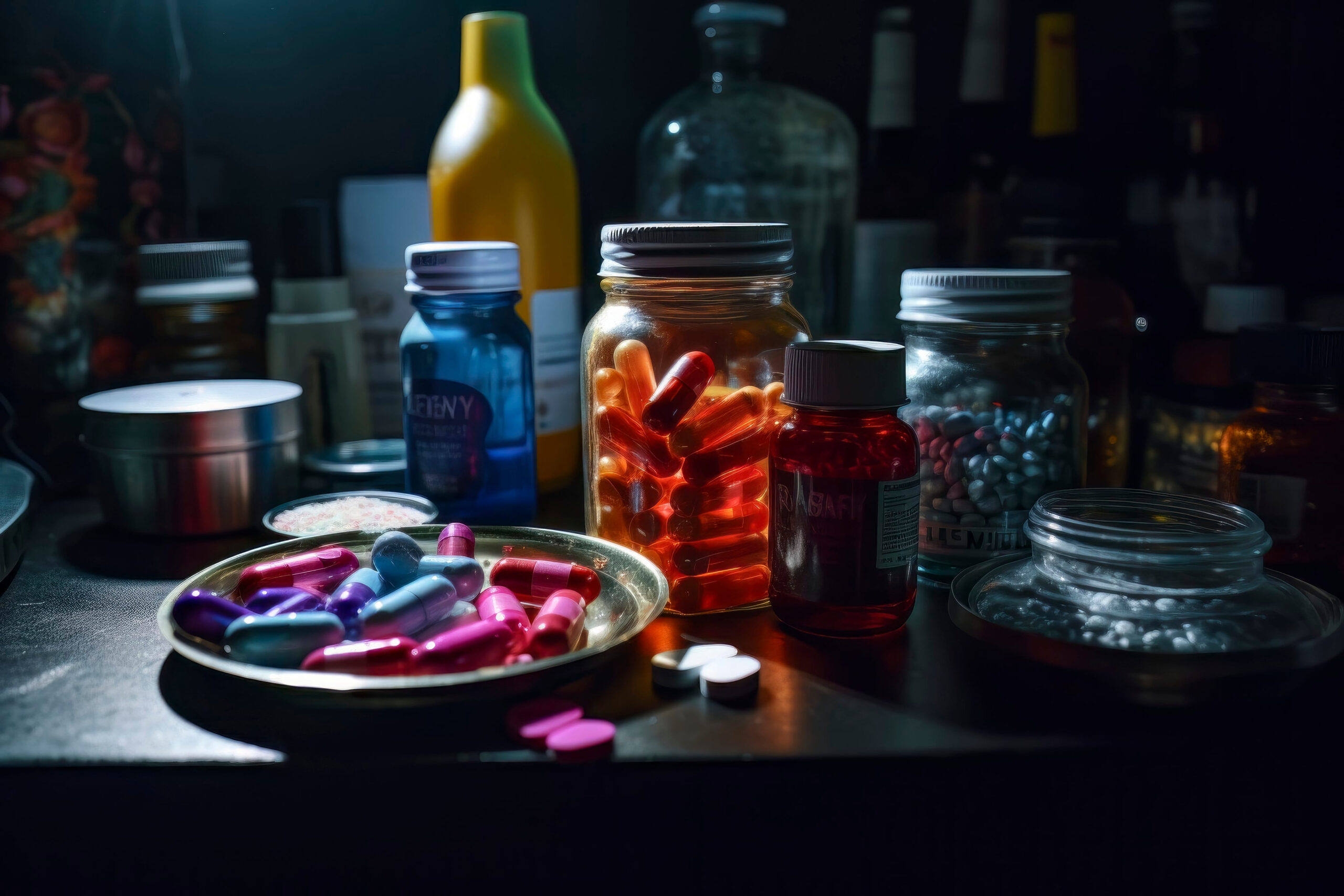
A fake pill does not announce itself. It can look like something from a medicine cabinet, something passed at a party, or something a friend says will help with sleep, anxiety, pain, or focus. That is what makes modern drug danger so terrifying.
In 2025, more than 47 million fentanyl-laced counterfeit pills and nearly 10,000 pounds of fentanyl powder were seized, equal to more than 369 million lethal doses. The danger is not just illegal drug use. It is the illusion of certainty. A pill can look familiar and still carry a risk the user never saw coming.
Conclusion
The most unsettling thing about death in America is how ordinary it can look before it arrives. It can hide in a commute, a couch, a fake pill, a hot apartment, a quiet kitchen, a grocery cart, a liquor cabinet, a lonely weekend, or a symptom someone keeps explaining away.
That does not mean Americans should live in fear of every normal habit. It means the small things deserve more respect. A checkup, a slower drive, better sleep, less alcohol, more movement, safer food choices, stronger social ties, a cooler room, a fall-proofed home, or refusing an unknown pill can change the ending.
Death may be unavoidable, but too many American lives are shortened by risks that looked harmless for too long.