American schools are supposed to feel familiar. Yellow buses, cafeteria trays, football games, backpacks on hooks, permission slips crushed at the bottom of folders, and morning announcements that nobody fully listens to. Parents send their kids through those doors hoping the day will be ordinary.
But ordinary does not always mean safe, healthy, or fair. Some of the biggest risks in American schools do not always look dramatic. They look like a kid skipping class because they feel unsafe, a bathroom turned into a vaping spot, a counselor with hundreds of students, a teacher stretched too thin, or a building that has needed repairs for years.
Bullying That Adults Catch Too Late

Bullying rarely starts with a school-wide emergency. It starts with whispers, group chats, lunchroom exclusion, rumors, insults, hallway humiliation, and the kind of cruelty adults often dismiss as “kids being kids.” By the time a parent notices, the child may already be carrying shame, anxiety, and dread every morning.
The warning signs are getting harder to ignore. From 2021 to 2023, the share of students who reported being bullied at school rose from 15% to 19%, while the share who missed school because of safety concerns rose from 9% to 13%. That means some students are not just struggling academically. They are walking into school already bracing for emotional damage.
Vaping in Bathrooms and Hallways
The school bathroom used to be where kids avoided class, fixed their hair, or whispered about drama. Now, in many schools, it has become a vaping zone. A fruit-flavored cloud can seem less serious than cigarettes, but nicotine does not become harmless because it smells like candy.
In 2024, e-cigarettes were the most commonly used tobacco product among U.S. middle and high school students, with students reporting current use across both groups. That may sound small until you picture the actual kids behind it. Nicotine can hook young brains fast, and schools are often left trying to police a health problem that fits in a pocket.
Chronic Absenteeism That Becomes a Silent Academic Collapse
A missed day here and there does not always sound serious. A stomachache, a transportation issue, a mental health day, a family problem, or a parent who cannot fight one more morning battle can all seem understandable. But absences stack up quietly.
Chronic absenteeism can turn into an academic landslide because students cannot learn what they are not present to hear. The danger is that many families notice the problem after the child is already behind, embarrassed, and less motivated to return. Once school starts feeling like a place where a child has already failed, every morning becomes harder.
Falling Reading and Math Skills
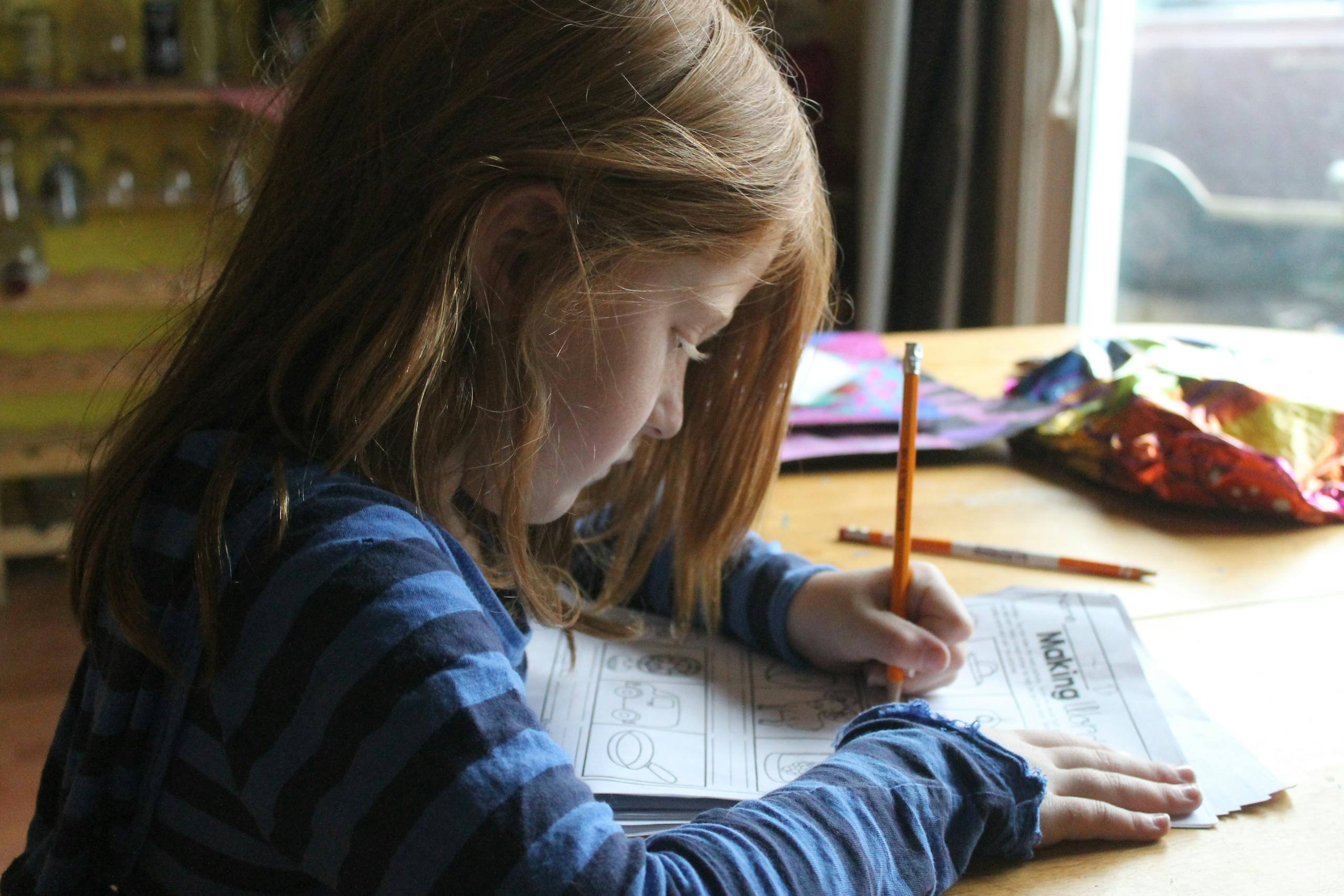
Parents do not need a national report to know when homework has become a nightly fight. They see it at the kitchen table. A child avoids reading. A math worksheet turns into tears. A teenager can scroll for hours but struggles to stay with a full page of text.
The national picture is sobering. The 2024 national assessment data showed continued concern in reading and math performance, with major gaps between stronger and weaker students. This is not just about test scores. When students fall behind in basic skills, their confidence suffers, and that can carry into college, work, and adulthood.
School Shooting Fear That Never Fully Leaves
American students should not have to learn where to hide before they learn how to drive. Yet lockdown drills, school alerts, police presence, and breaking-news memories have become part of childhood in too many places. Even when nothing happens, the fear itself can leave a mark.
A school should feel like a place of learning, not a place where children rehearse survival. The emotional cost can show up in anxiety, distraction, fear of crowded hallways, and parents holding their breath when a school notification hits their phone. Kids may joke during the drills, but many understand exactly what they mean.
Too Few Counselors for Too Many Students
A counselor can be the adult who notices the quiet kid, the anxious kid, the grieving kid, the college-confused kid, or the student who is one bad week away from giving up. But one counselor cannot be everywhere, and many American schools expect them to carry impossible caseloads.
The recommended student-to-school-counselor ratio is 250 to 1, but the national average was 372 to 1 for the 2024 to 2025 school year. That gap matters. Students are dealing with anxiety, family instability, academic pressure, bullying, grief, and college decisions, yet the adults trained to help them may be spread too thin to reach everyone in time.
Teacher Shortages That Leave Classrooms Struggling
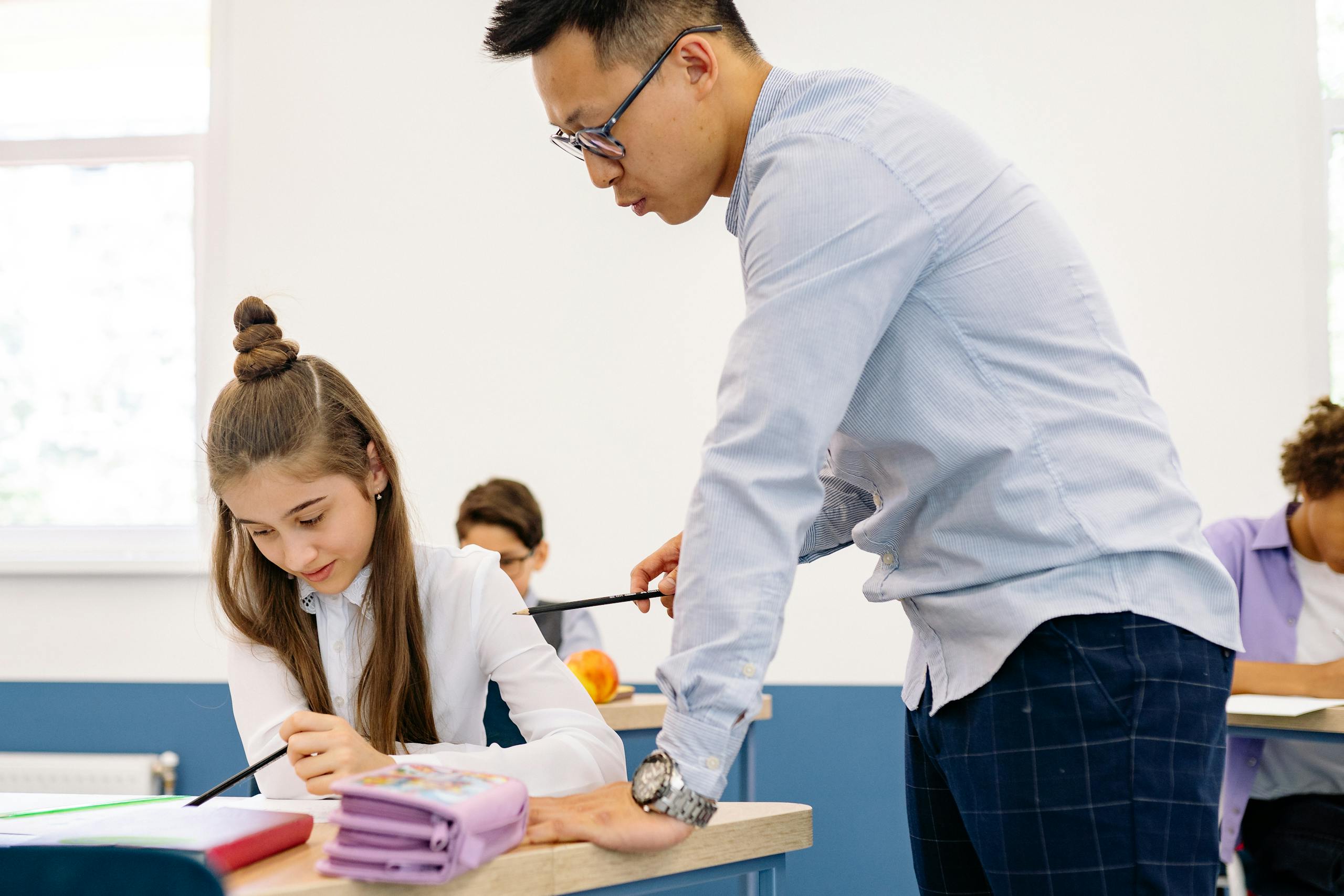
A classroom changes when the teacher is exhausted, under-supported, underqualified for the role, or replaced by a rotating cast of substitutes. Students feel the instability even when adults try to cover it with worksheets, online assignments, and “temporary” fixes that last too long.
The shortage is not just a staffing chart problem. A 2025 national scan found that about 1 in 8 teaching positions were either unfilled or filled by someone not fully certified for the role, affecting more than 6 million students nationally. That means too many kids are learning inside systems held together by tired adults doing their best with too little support.
Old Buildings That Were Never Built for Today’s Problems
Some American school buildings carry decades of wear in the walls. Old HVAC systems, poor ventilation, lead concerns, overheated classrooms, water problems, worn bathrooms, and temporary fixes can make learning harder than it should be. A school can look functional from the parking lot while quietly failing the kids inside.
This matters because students feel the building even when they do not know the policy behind it. A hot classroom drains focus. Poor air quality makes the day harder. Broken bathrooms create embarrassment and avoidance. A school building should support learning, not quietly work against it.
Lunch Debt and Food Shame
A child should not have to feel embarrassed in a cafeteria because money is tight at home. Yet school meals can become a source of quiet shame when families fall behind, students are reminded about balances, or cafeteria workers are forced into uncomfortable positions.
The issue is bigger than a tray of food. Hunger affects focus, mood, behavior, and dignity. When students are worried about lunch, learning becomes harder before the afternoon bell even rings. No child should have to calculate family finances while standing in a cafeteria line.
Mental Health Needs Schools Cannot Fully Carry
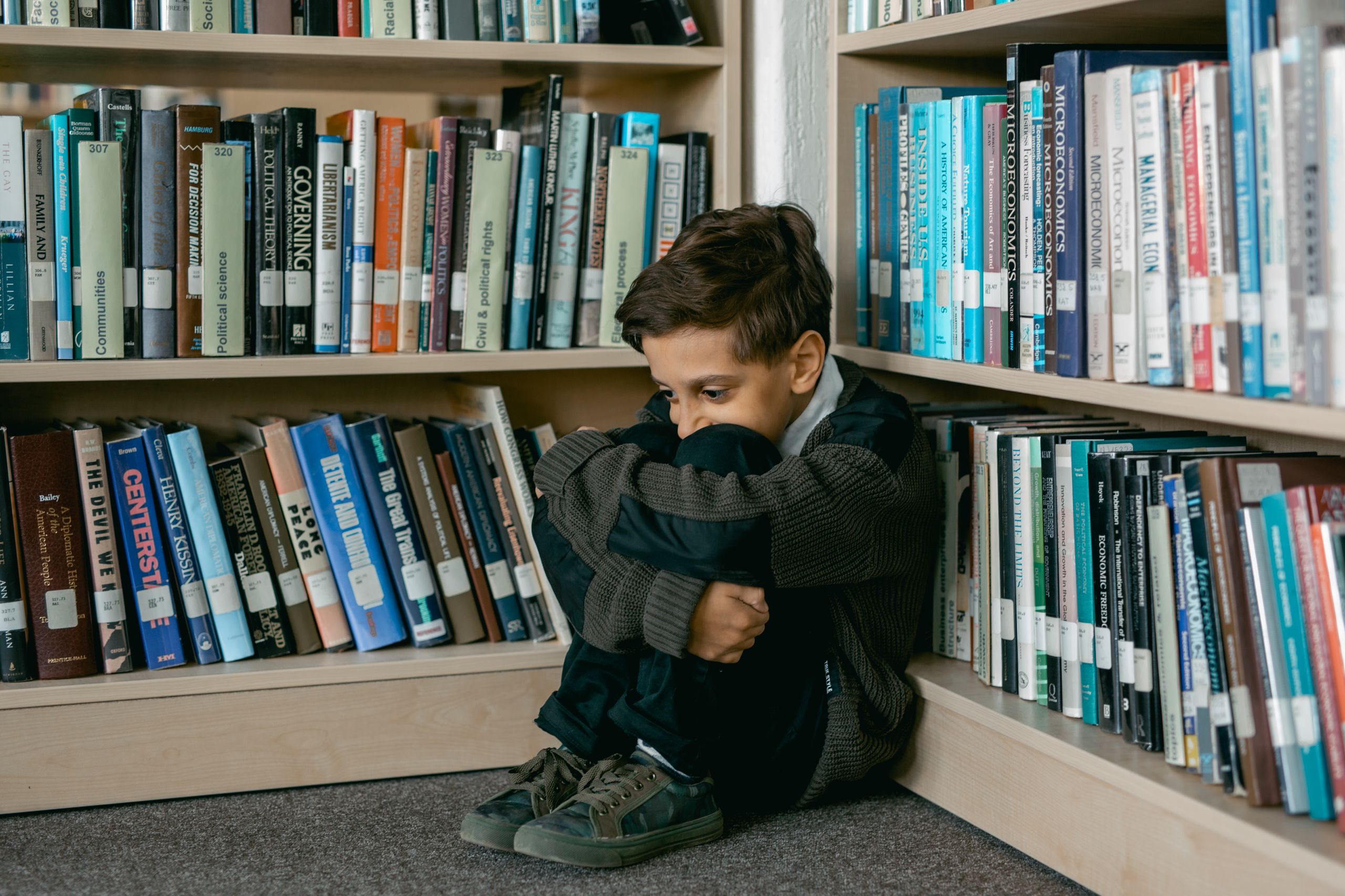
Schools have become the front line for student mental health, even though they were never designed to replace full health systems. Teachers notice panic, sadness, anger, withdrawal, self-harm concerns, grief, and family stress. But noticing a crisis is not the same as having enough trained people to respond.
Public schools report serious limits in mental health services, with fewer schools offering treatment services than basic diagnostic or referral supports for student mental health. That leaves schools trying to serve as classrooms, counseling centers, safety nets, and crisis responders all at once. Students need help, but the system around them is often stretched thin.
Conclusion
American schools are not failing because teachers or parents do not care. Many adults within the system work harder than the public ever sees. The problem is that schools are being asked to carry too much: safety fears, mental health needs, learning gaps, hunger, bullying, nicotine use, staffing shortages, and aging buildings.
That is why these risks matter. They are not always loud. They do not always make the evening news. But they shape the school day in ways children feel deeply. A safer school is not just a building with locked doors.
It is a place where students can learn without fear, ask for help without waiting weeks, eat without shame, breathe clean air, and trust that the adults around them have the support to do their jobs well.