Some foods feel so American that people rarely question where they came from. They show up at ballgames, barbecues, diners, school lunches, family cookouts, county fairs, and Fourth of July tables. They look like home. They taste like memory.
But the truth is less patriotic than the menu suggests. Many famous American foods were not born in America at all. They arrived through immigrants, trade routes, older recipes, global farming, and centuries of cultural exchange.
That does not make them fake American foods. It makes them more interesting. America did what it often does best. It took old ideas, changed the flavor, gave them speed, scale, and marketing, then turned them into national icons.
Here are the comfort foods many Americans claim proudly, even though their roots lie elsewhere.
Fried chicken was never just Southern.
Fried chicken may look like the king of Southern cooking, but its story reaches far beyond the American South. Early fried chicken traditions existed in parts of Britain before the dish became famous in the United States.
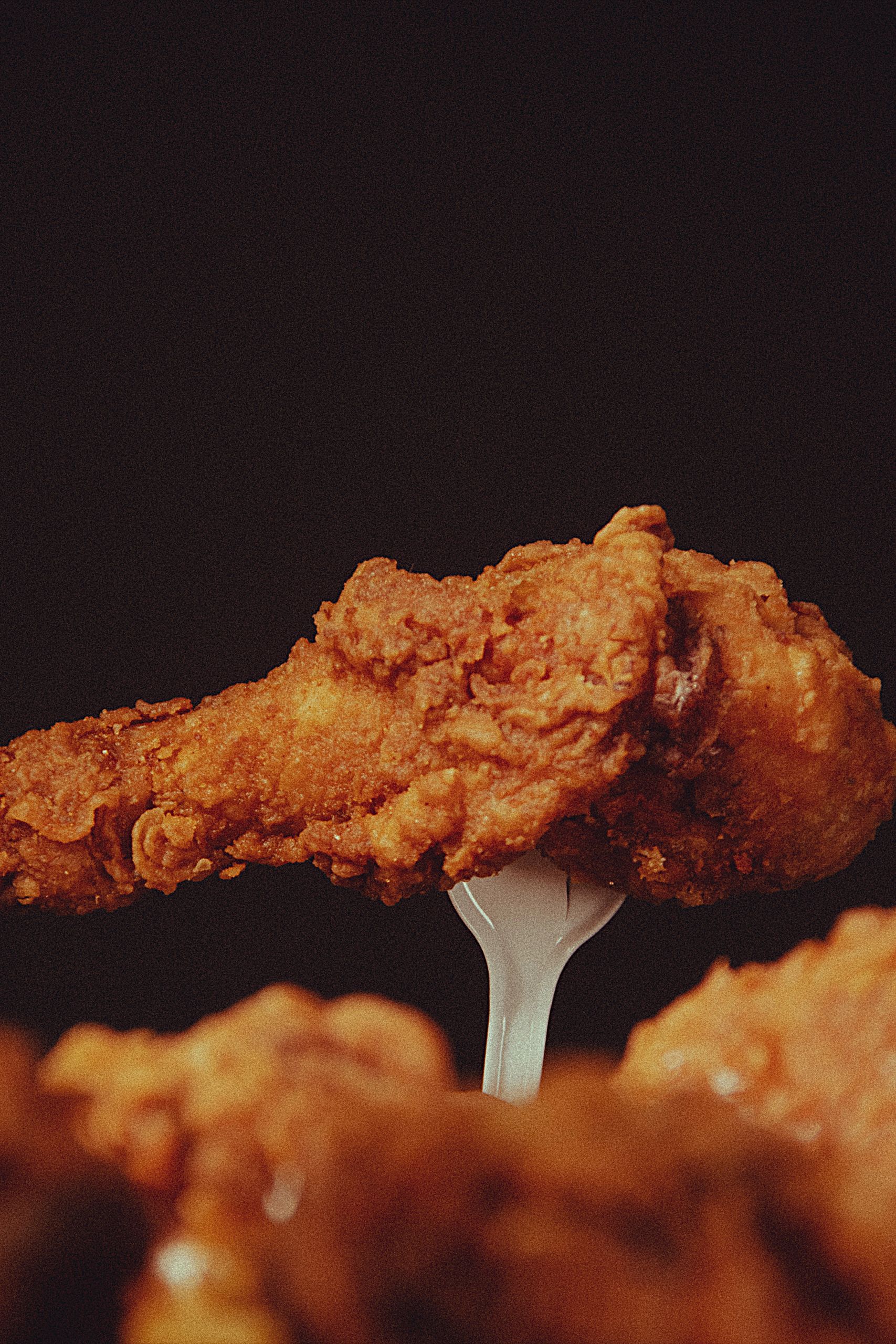
The American version became richer through Southern kitchens, Black culinary skills, West African seasoning traditions, and generations of home cooking. That crispy golden plate carries more history than most people realize. It is not just dinner. It is a map of culture, survival, and reinvention.
Apple pie came with old-world baggage.
The phrase “as American as apple pie” sounds perfect until history interrupts it. Apple pie did not begin in America. Early versions were already being made in England long before they became tied to American patriotism.
America helped make the dessert symbolic. Orchards spread, family recipes evolved, and pie became part of holidays, diners, and the national language. Still, the pie’s passport is not as American as the slogan suggests.
Hamburgers have German bones.

The hamburger may be one of America’s loudest food symbols, but the idea behind it points back to Hamburg, Germany. Chopped beef patties and hamburger steak existed before Americans turned them into fast food royalty.
The United States added the bun, the cheese, the drive-through window, the diner counter, the backyard grill, and the billion-dollar burger chain. Germany gave the foundation. America built the empire.
Hot dogs came from sausage culture.
A hot dog at a baseball game feels like pure America. Add mustard, a paper tray, and a roaring crowd, and it becomes almost sacred. But the sausage tradition behind it came from German-speaking Europe.
Immigrants helped bring sausages to American streets, where vendors made them cheap, portable, and easy to love. The hot dog became American through convenience, crowds, and clever selling, not through birthplace.
French fries may not be French or American
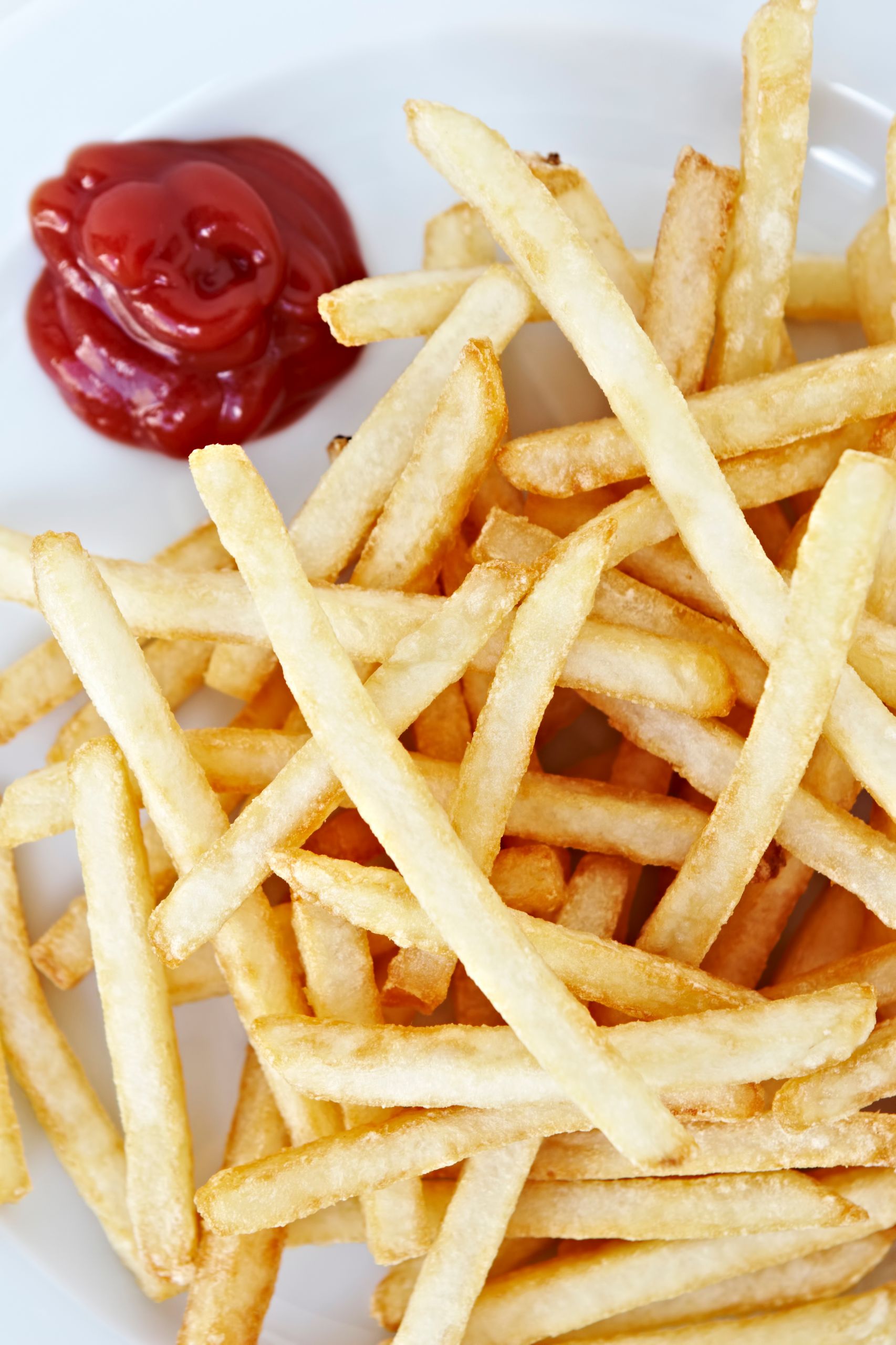
French fries are everywhere in the United States. They sit beside burgers, chicken sandwiches, steaks, shakes, and late-night orders. Yet the origin story usually points toward Belgium rather than America.
The name may have created confusion, but the love affair became American quickly. Fast food chains turned fries into a national side dish. America did not invent them, but it certainly made them impossible to escape.
Mac and cheese has its roots in older pasta traditions.
Mac and cheese feels like American comfort in a bowl. It is cheap, creamy, filling, and familiar. But pasta mixed with cheese existed in Europe long before boxed dinners and baked casseroles took over American tables.
America reshaped the dish into something softer, richer, and easier to serve. It moved from elite kitchens to family dinners to instant meals. The result became beloved, but the roots were planted far away.
Peanut butter was not born in an American lunchbox.
Peanut butter seems like it was created for American children. It lives in sandwiches, cookies, protein snacks, and school lunches. Yet the early patent history points outside the United States, including Canadian innovation.
America turned peanut butter into a grocery giant. Food companies made it smooth, shelf-stable, sweet, and affordable. Once it met jelly, the humble spread became a national habit.
Doughnuts have immigrant fingerprints.
The American doughnut shop feels like a cultural landmark. Coffee, glaze, powdered sugar, office boxes, and morning lines make it seem completely homegrown. But fried dough has deep European roots.
Dutch and other European traditions helped shape early versions before America polished the idea into rings, filled pastries, and bright display cases. The doughnut became American through routine, branding, and sugar-coated obsession.
Watermelon began far from the American summer.

Watermelon feels tied to American heat, barbecues, family reunions, and picnic tables. But the fruit’s deeper history reaches back to Africa, where early watermelon ancestors grew long before they became sweet red slices.
Over time, farmers selected better varieties and helped the fruit travel across regions and continents. By the time Americans made it part of summer culture, watermelon had already lived many lives.
Mayonnaise has a messy European past.
Mayonnaise may look plain, but its background is surprisingly contested. Spain and France both have origin claims tied to the creamy sauce. That is a lot of drama for something people spread on sandwiches without thinking.
America turned mayonnaise into a quiet kitchen workhorse. It entered potato salad, tuna salad, egg salad, burgers, dips, and picnic food. It may feel ordinary now, but its past is anything but simple.
Final thought
The uncomfortable truth is clear. Many “American” foods are really borrowed foods with new costumes. They crossed oceans, entered immigrant kitchens, changed through hardship and creativity, and then became part of everyday American life.
That does not weaken American food culture. It explains it. The country’s most familiar plates are not pure inventions. They are proof that food travels, adapts, and survives. Sometimes the meal that feels most American is the one with the most foreign roots