Dogs do not read labels, measure risk, or pause before swallowing something that smells good. That is why a dropped chocolate cookie, a raisin from a child’s snack box, or a “sugar-free” mint on the floor can turn into an emergency faster than many owners expect. We protect dogs best when we stop thinking of human food as harmless scraps and start treating certain everyday items as real household hazards.
The most dangerous human foods for dogs are not always dramatic-looking. Some sit quietly in lunch bags, pantry jars, holiday desserts, restaurant leftovers, and “healthy” snacks made for people. Chocolate, grapes, raisins, onions, garlic, xylitol, alcohol, caffeine, macadamia nuts, fatty scraps, cooked bones, raw yeast dough, and salty processed foods all deserve strict caution because they can affect the heart, kidneys, liver, blood cells, pancreas, nervous system, or digestive tract.
Chocolate Can Poison a Dog’s Heart and Nervous System
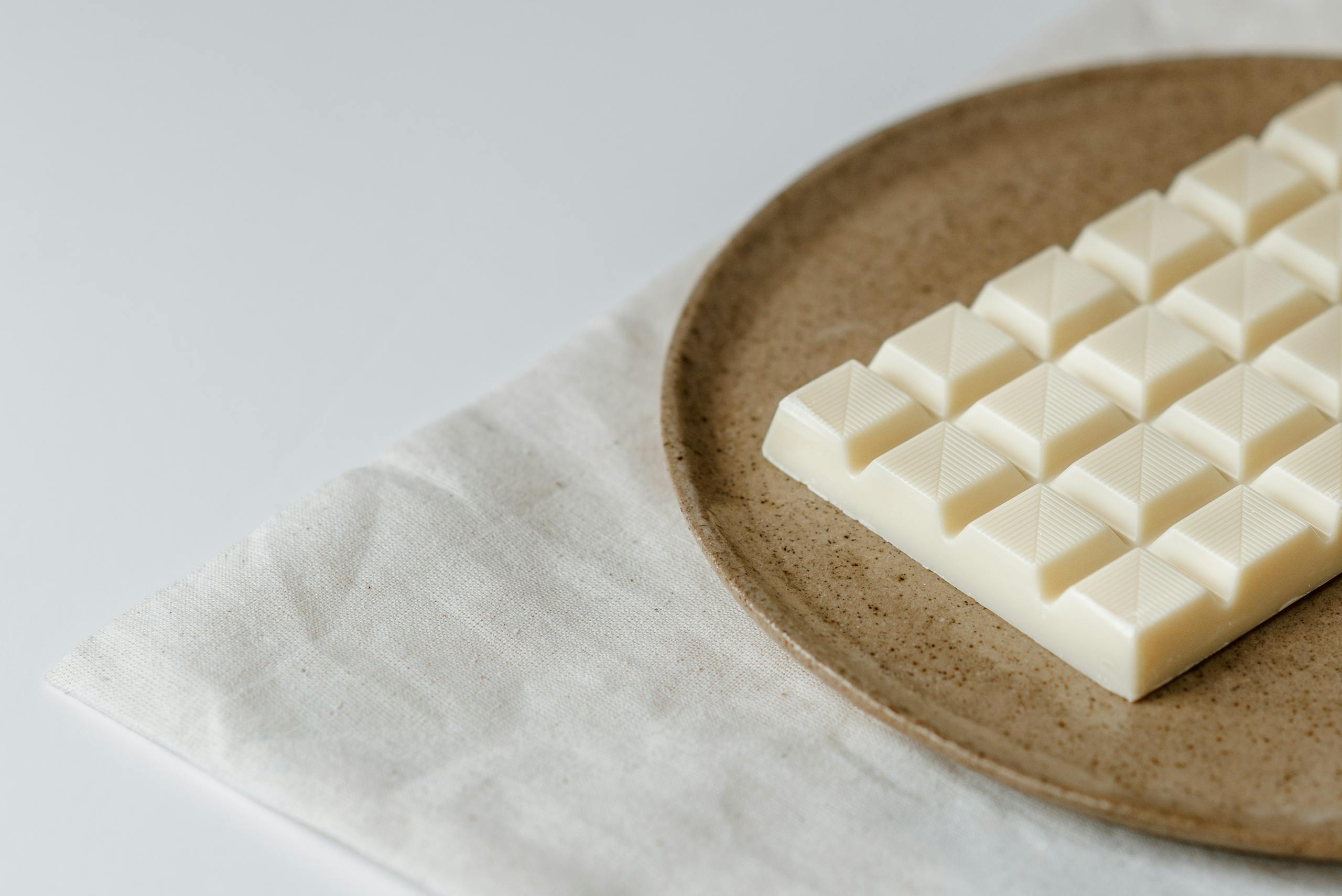
Chocolate remains one of the best-known toxic foods for dogs because it contains theobromine and caffeine. These stimulants can affect the heart, muscles, and nervous system, especially when the chocolate is dark or unsweetened, or when it is baked into concentrated desserts. Cocoa powder and baking chocolate are usually more dangerous than milk chocolate, yet any chocolate exposure deserves attention because the risk depends on the dog’s weight and the amount eaten.
Symptoms may begin with vomiting, diarrhea, restlessness, panting, and unusual thirst. More serious cases can progress to a racing heart, abnormal rhythm, high body temperature, tremors, seizures, or collapse. We should never wait for dramatic symptoms before calling a veterinarian, because early treatment may reduce absorption and protect the dog before the toxin fully circulates.
Grapes and Raisins Are Risky Even in Small Amounts

Grapes and raisins are especially frightening because the toxic dose is unpredictable. One dog may eat several and appear fine, while another may develop serious kidney damage after a smaller amount. Since kidney injury can worsen quickly, every exposure to a grape or a raisin should be treated seriously.
The hidden sources make this risk easy to miss. Raisins often appear in oatmeal cookies, cinnamon bread, granola, trail mix, cereal, fruitcake, and school snacks. Early signs may include vomiting, tiredness, loss of appetite, abdominal discomfort, increased thirst, or reduced urination. Once kidney function declines, the situation becomes more dangerous and more expensive to treat.
Xylitol Is One of the Fastest Food Emergencies for Dogs
Xylitol is a sugar substitute found in many “sugar-free” and “low sugar” products, and it is extremely dangerous for dogs. The FDA warns that xylitol poisoning can cause vomiting followed by signs linked to sudden low blood sugar, including weakness, staggering, poor coordination, collapse, and seizures. Pet Poison Helpline notes that serious signs may develop quickly, sometimes within minutes after ingestion.
The problem is that xylitol hides in products that owners do not always think of as food. It can appear in gum, mints, candy, baked goods, peanut butter, toothpaste, mouthwash, supplements, sauces, syrups, and other household items. We should check ingredient labels before giving a dog peanut butter or any “diet” treat, and we should keep purses, backpacks, bedside tables, and bathroom counters out of reach.
Onions, Garlic, Chives, and Leeks Can Damage Red Blood Cells
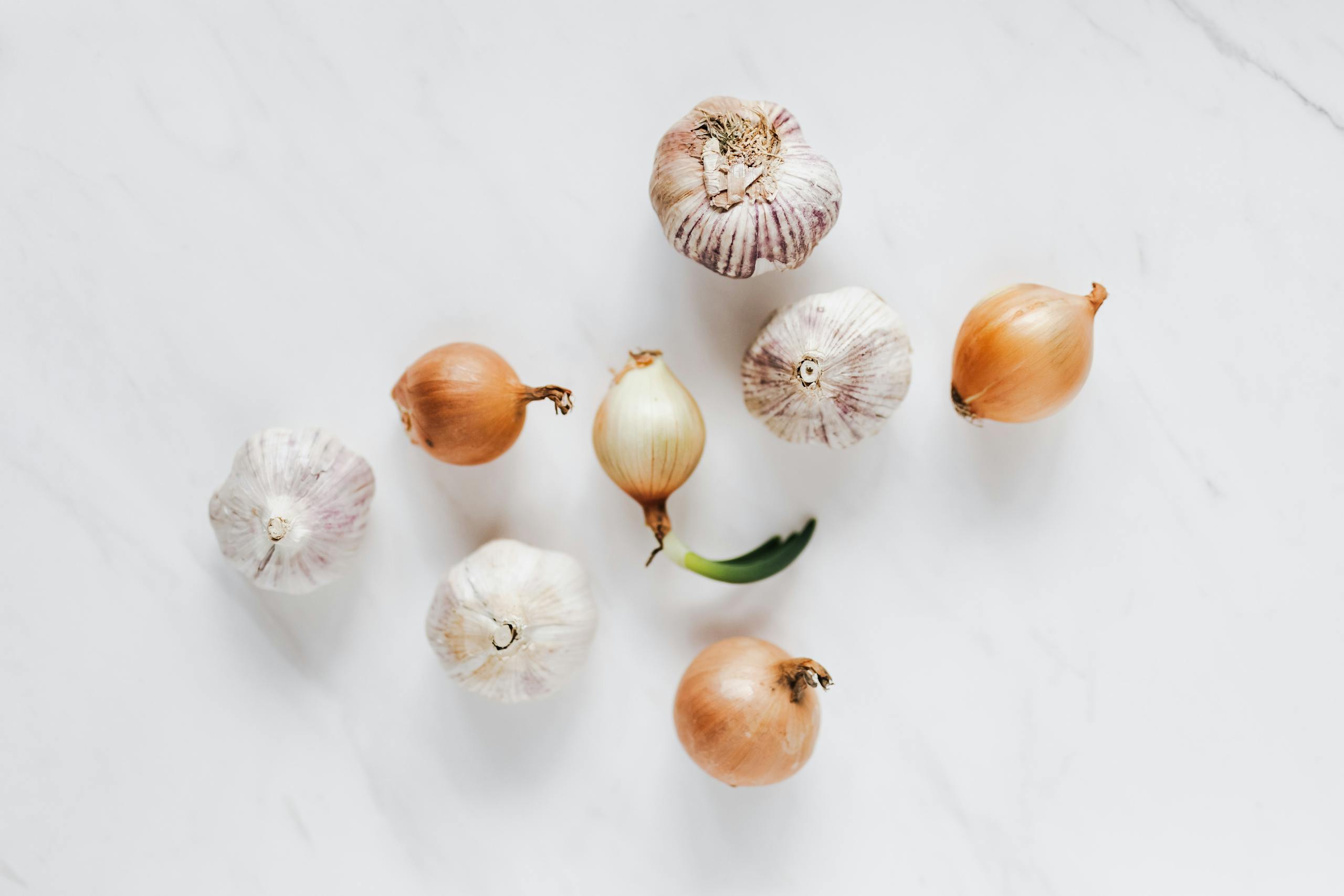
Onions, garlic, chives, and leeks belong to the allium family, and they can damage a dog’s red blood cells. This can lead to anemia, which means the body struggles to carry oxygen properly. The risk exists whether these ingredients are raw, cooked, powdered, dehydrated, or mixed into sauces and leftovers.
This category is sneaky because onion and garlic powder are everywhere in human food. They show up in soups, stews, pizza, burgers, roasted meats, gravies, baby food, seasoning blends, dips, and takeout meals. Warning signs may include vomiting, weakness, pale gums, rapid breathing, dark urine, tiredness, and collapse. Repeated small exposures can also matter, so “just a little garlic flavor” is not a safe feeding habit.
Alcohol Can Cause Severe Poisoning in Dogs
Alcohol affects dogs far more dangerously than many people assume. Beer, wine, liquor, cocktails, alcohol-soaked desserts, and fermenting foods can depress the nervous system and interfere with breathing, coordination, temperature control, and blood chemistry. ASPCA lists alcohol among pet foods that should be avoided, and suspected ingestion should prompt immediate professional guidance.
Dogs may be attracted to sweet cocktails, creamy drinks, spilled beer, or desserts made with rum or liqueur. Signs can include vomiting, wobbliness, confusion, drooling, slow breathing, low body temperature, tremors, or collapse. Small dogs are at special risk because a small amount can represent a large dose for their body size.
Coffee, Tea, Energy Drinks, and Caffeine Products Are Dangerous

Caffeine belongs in the same broad danger zone as chocolate because it can overstimulate a dog’s heart and nervous system. Coffee grounds, brewed coffee, tea, espresso beans, energy drinks, caffeine pills, and some pre-workout products can all create risk. ASPCA warns that chocolate, coffee, and caffeine can cause vomiting, diarrhea, panting, excessive thirst and urination, hyperactivity, abnormal heart rhythm, tremors, seizures, and even death in severe cases.
This risk often starts with a cup left on a low table or a trash bag that smells interesting. Dogs may also chew through energy bar wrappers, supplement tubs, or bags of chocolate-covered espresso beans. We should keep caffeine products sealed away, clean spills quickly, and treat concentrated products as urgent hazards.
Macadamia Nuts Can Trigger Sudden Weakness and Tremors
Macadamia nuts are toxic to dogs, even though the exact mechanism is not fully understood. They can cause weakness, vomiting, tremors, fever, and trouble walking. ASPCA includes macadamia nuts among people foods to avoid feeding pets, and they are especially easy to miss when baked into cookies or mixed into snack blends.
The symptoms can look alarming because a dog may suddenly appear wobbly, painful, overheated, or unable to use the back legs normally. Many cases improve with veterinary care, but that does not make the exposure safe. Macadamia nuts should never be used as treats, and nut-heavy desserts should stay far away from counters and coffee tables.
Fatty Foods Can Set Off Painful Pancreatitis
Fatty human foods are a common cause of illness in dogs after holidays, barbecues, parties, and family dinners. Bacon, sausage, ham, fried chicken, turkey skin, buttered meat, oily leftovers, gravy, and rich sauces can overload the digestive system and trigger pancreatitis. VCA notes that nutrition plays an important role in pancreatitis management, and low-fat veterinary diets are often used because fat requires more pancreatic secretion and slows gastric emptying.
Pancreatitis can cause repeated vomiting, diarrhea, fever, belly pain, weakness, dehydration, and loss of appetite. Some dogs take a “prayer position,” stretching the front legs down and keeping the rear end raised because the abdomen hurts. This is not just an upset stomach from greasy food. Severe pancreatitis can require hospitalization, fluids, pain control, anti-nausea medication, and careful feeding support.
Cooked Bones Can Splinter, Choke, or Block the Gut
Cooked bones may look like old-fashioned dog treats, but they can be dangerous. Cooking makes bones more brittle, increasing the risk of splintering into sharp pieces. Those pieces may cut the mouth, lodge in the throat, injure the esophagus, puncture the stomach or intestines, or form a blockage that requires emergency surgery.
Chicken, turkey, pork, lamb, and rib bones are common culprits after dinner. Warning signs can include gagging, drooling, pawing at the mouth, vomiting, abdominal pain, bloody stool, constipation, whining, or refusal to eat. Safer chewing should come from veterinarian-approved products matched to the dog’s size, dental health, chewing style, and age.
Raw Yeast Dough Can Expand and Produce Alcohol
Raw yeast dough creates a double threat for dogs. First, it can expand in the warm stomach, causing painful bloating and pressure. Second, fermenting yeast can produce alcohol, which poses a poisoning risk. This makes bread, pizza, and rising dough far more dangerous than many owners realize.
A dog that eats raw dough may show a swollen belly, drooling, retching, weakness, disorientation, or signs that resemble alcohol intoxication. This is an emergency because stomach expansion can become severe, and alcohol absorption can worsen the dog’s condition. We should never leave rising dough unattended around pets.
Conclusion
A safe home starts with smarter storage, stricter table rules, and quick action when exposure happens. If a dog eats something questionable, we should identify the food, save the label, call a veterinarian or poison control, and avoid home remedies unless a professional recommends them. The best treat is not the one that makes a dog beg hardest. It is the one that lets them stay healthy, comfortable, and safe by our sides for years.