Americans seem obsessed with what might be hidden from them, from secret deals to concealed dangers lurking in plain sight. Conversations online and in living rooms often revolve around what the government or corporations are not telling us. If you have felt uneasy scrolling through forums or headlines, these alarming cover-up fears explain why many Americans stay on edge.
Hidden Environmental Hazards

Reports of chemical leaks, contaminated water, or unreported air pollution make many Americans question what they are breathing. Local authorities may downplay incidents, fueling distrust and speculation. The lack of transparency can make residents feel powerless and anxious about their safety.
Even when issues are identified, updates are often slow or incomplete. Citizens feel the weight of uncertainty as they try to protect their families. The perception that corporations prioritize profit over public health exacerbates stress and suspicion.
Social media amplifies these concerns, sharing both verified and unverified reports. The combination of real danger and speculation heightens fear. Americans often feel caught between caution and paranoia in daily life.
Government Transparency Worries
Many fear that essential decisions are made behind closed doors. Policies affecting health, safety, or finances sometimes lack public explanation. This secrecy fuels anxiety and a sense that the public is being kept in the dark.
Voters question whether leaders prioritize accountability or convenience. The perception of hidden agendas erodes trust in institutions. People feel compelled to dig for answers, adding mental strain.
Leaks, whistleblowers, and investigative journalism provide fragments of truth. Americans often piece together incomplete narratives. The uncertainty itself contributes heavily to ongoing worry.
Corporate Concealment Concerns

Consumers worry about information hidden in product safety reports or financial statements. From faulty devices to mislabeling, the fear of being misled is real. Companies have historically downplayed risks to maintain their reputation or profit.
The modern news cycle highlights both current and past cover-ups. Citizens question whether the full story is ever revealed. This suspicion extends into consumer behavior, shaping choices and stress levels.
Misinformation or selective disclosure reinforces the feeling that private interests outweigh public welfare. Americans wonder if loyalty to brands can coexist with safety. The result is a constant tension between trust and skepticism.
Medical and Health Information
Concerns about what is not shared in medical research or public health reporting drive fear. Americans question whether data about drugs, vaccines, or procedures is fully transparent. Even small omissions can feel like major cover-ups.
Confusing guidelines or shifting recommendations intensify anxiety. Patients may worry that they are receiving incomplete or biased information. The perceived opacity of health institutions adds to mental stress.
Public attention often peaks during crises, revealing gaps in information sharing. People speculate about what officials knew and when. This speculation fuels both conversation and unease nationwide.
International Secrets and Conflicts
Global events spark fears of hidden agendas and undisclosed actions. From military operations to diplomatic negotiations, the public wonders what remains concealed. Lack of clarity intensifies stress about safety and political stability.
News reports often focus on outcomes rather than context. Americans are left imagining worst-case scenarios. This uncertainty creates a sense of vulnerability and unease.
Social media amplifies rumors and leaks, blending fact and speculation. Readers struggle to separate credible news from hype. The line between awareness and paranoia becomes blurred.
Data Privacy and Surveillance
Concerns about hidden surveillance programs and data collection weigh on many citizens. The digital world often feels like a space where personal information is constantly monitored. Fear of invisible observation adds ongoing mental pressure.
Even routine online activity can be a source of worry. Americans question how much control they truly have over personal data. This perception of surveillance contributes to feelings of exposure and stress.
Companies and governments are sometimes opaque about their practices. Users remain unsure who has access to information and for what purposes. The resulting uncertainty fosters both caution and paranoia.
Financial and Corporate Cover Ups
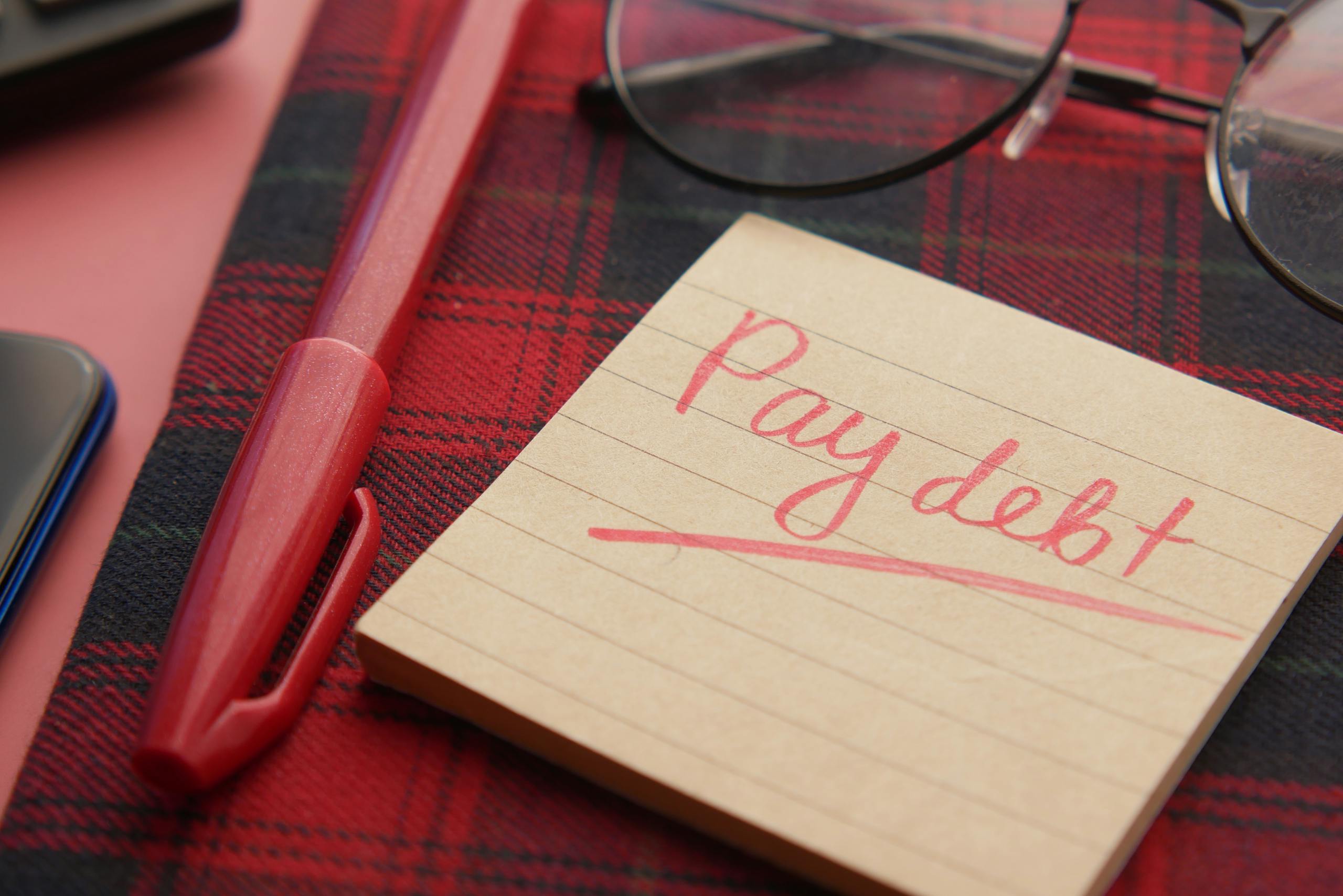
Stories about hidden debts, deceptive accounting, or secret financial arrangements generate concern. Americans fear being affected by instability that is not publicly acknowledged. Hidden economic risks feed both skepticism and anxiety.
Banking, investments, and corporate strategies often appear opaque to the general public. Individuals worry about being blindsided by events beyond their control. This sense of uncertainty reinforces feelings of vulnerability and stress.
Speculation about corporate transparency dominates online discussions. People debate what is true and what is hidden. The ongoing ambiguity keeps Americans on high alert in their financial decisions.
Conclusion
Alarming cover-ups are stressing Americans through hidden environmental hazards, government secrecy, corporate concealment, health opacity, international uncertainty, data surveillance, and financial concealment.
Each element contributes to a culture of mistrust and heightened anxiety. Recognizing these fears and approaching news critically can help people balance awareness with wellbeing, reducing the mental strain while staying informed in a complex world.