You probably don’t think twice about adding salt to your dinner, making a cup of tea, or grabbing a bottle of water. But researchers have been finding something unexpected in these everyday foods and drinks: tiny plastic particles. Known as microplastics, these fragments are generally smaller than five millimeters and can enter the food supply through contaminated water, soil, packaging, and food processing.
Scientists are still investigating what consuming these particles means for human health. However, studies have already found them in several familiar kitchen staples. Here are seven foods that have caught researchers’ attention.
Seafood
That seafood dinner could come with something other than protein and omega-3 fatty acids. Fish and other marine animals encounter plastic particles in polluted waters and often swallow them while feeding.
Shellfish such as mussels and oysters are particularly interesting because they filter large amounts of surrounding water to obtain food. Some of the particles they collect can remain in their bodies, and unlike fish, shellfish are often eaten whole.
Sea Salt
Salt seems like an unlikely place to find plastic, especially when it looks clean and pure in the kitchen. However, sea salt comes from seawater, where plastic pollution has become widespread.
When seawater evaporates during salt production, tiny plastic particles can remain alongside the salt crystals. A 2024 study examining staple foods sold in the Philippines found an average of 471 microplastic particles per kilogram in the sea salt samples tested.
Researchers identified polyvinyl chloride, or PVC, as the dominant plastic material. Processing and packaging may also contribute to contamination, so the particles do not necessarily come from the ocean alone.
Bottled Water
A bottle of water may seem like one of the simplest ways to stay hydrated, but researchers have paid considerable attention to its contents.
In a 2024 study published in Proceedings of the National Academy of Sciences, scientists examined bottled water using advanced imaging technology. They estimated that one liter contained approximately 240,000 plastic particles on average, most of which were nanoplastics. These particles are even smaller than microplastics and can be difficult to detect using conventional laboratory techniques.
Researchers identified materials including PET, commonly used to manufacture plastic bottles, and polyamide, which is found in some filtration materials. The discovery is striking, although scientists have not established that the levels found in bottled water pose a health risk.
Tea Bags
Your morning cup of tea might contain tiny plastic particles, depending on the type of tea bag you use. Some tea bags contain polypropylene or other plastic materials, which can release particles when exposed to hot water.
In a 2019 study published in Environmental Science & Technology, researchers found that steeping a single plastic tea bag at brewing temperature released billions of microplastic and nanoplastic particles. That is an interesting finding considering how ordinary the process is: pour hot water, wait a few minutes, and enjoy your tea.
However, tea bags are not all made alike, and paper varieties may have different material compositions. Check the packaging or switch to loose-leaf tea with a reusable strainer to avoid certain plastic tea bag materials.
Honey
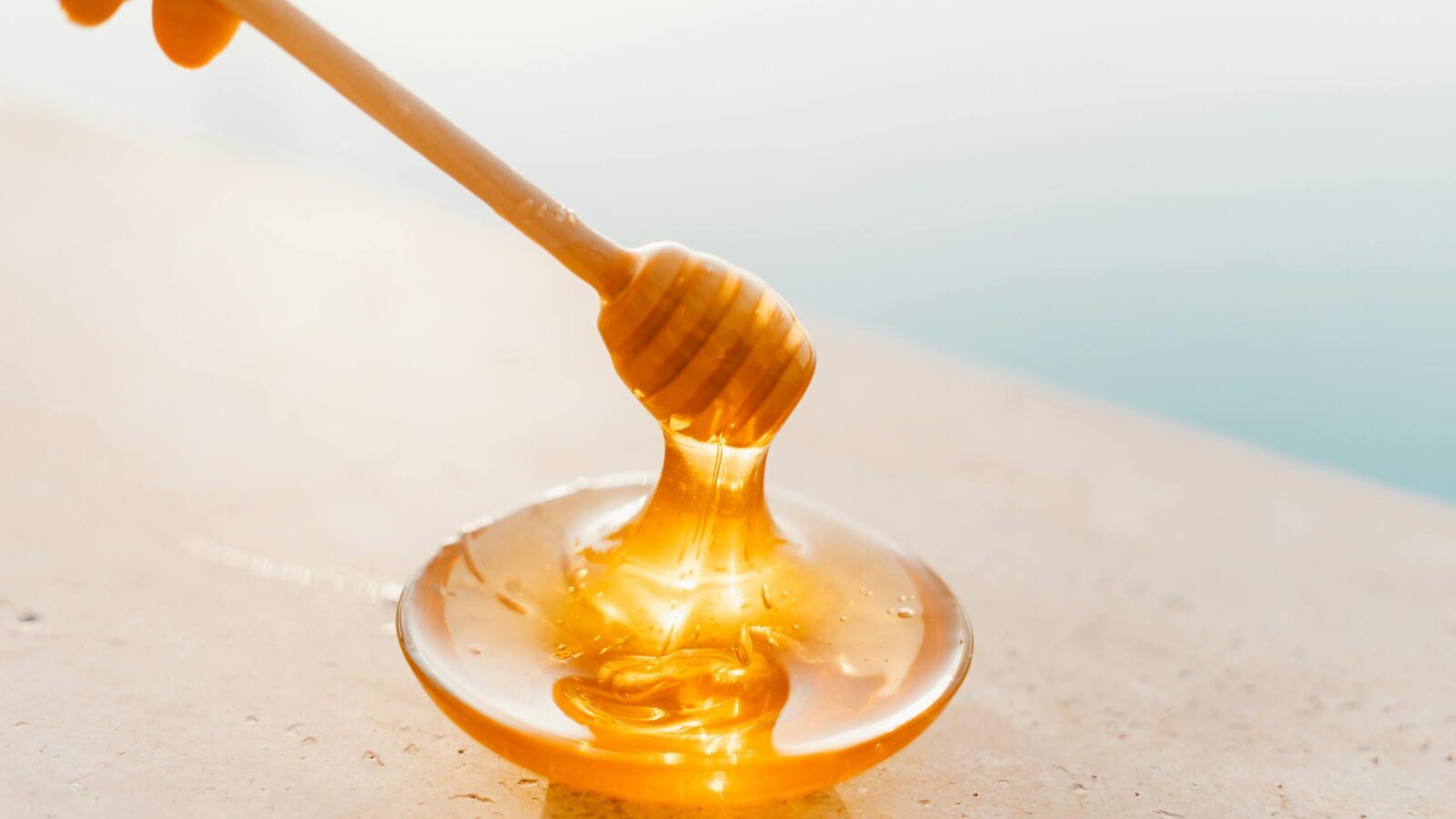
Honey comes from bees, but that doesn’t mean it’s completely isolated from environmental pollution. Bees travel between flowers collecting nectar and pollen, exposing themselves to materials in their surroundings.
Researchers have therefore investigated whether plastic particles can enter honey through environmental exposure or during processing and packaging. A 2026 investigation of commercial food products in the United Kingdom detected microplastics in honey samples, reporting an average of approximately 101 particles per kilogram.
This reminds us that even foods produced through natural processes can encounter plastic pollution. The amount found, however, can differ between products depending on their origins and how they are handled.
Sugar
Sugar, whether you take it in your coffee or use it to bake a cake, is another kitchen staple researchers have examined.
A 2024 study published in the Journal of Food Science and Technology found microplastics in both white and brown sugar samples sold in the Philippines. The researchers reported an average of 20 particles per kilogram in white sugar and 67 particles per kilogram in brown sugar.
They identified PET in the white sugar samples and polypropylene as the dominant polymer in brown sugar. The study suggested packaging as one possible source of contamination, although it did not establish it as the only explanation.
Fruits and Vegetables
Fresh produce may seem like an obvious way to avoid plastic exposure, but even fruits and vegetables have attracted scientific attention. Microplastics can enter agricultural environments through contaminated irrigation water, soil, atmospheric pollution, and farming materials.
Researchers have investigated their presence in produce such as carrots and apples, including whether very small particles can enter plants through their roots. A 2025 review of dietary microplastic exposure highlighted fruits, vegetables, and grains as food categories that deserve further investigation.
This does not mean that eating an apple or carrot is dangerous. Washing produce under running water remains a sensible practice for removing dirt and surface contaminants, although it cannot remove particles that may already be inside plant tissues.