A really good grilled cheese gets two things right at once: golden, crisp bread and cheese that melts all the way through. The trouble starts when one finishes before the other. Turn up the heat too far, and you can end up with beautifully browned bread surrounding a stubborn slab of cheese. A better sandwich comes from matching your bread, filling, and cooking temperature, not simply adding more cheese and hoping for the best.
The good news is that the improvements are small. Choose bread that can support the filling, spread the outside evenly with butter or mayonnaise, and give the cheese time to catch up with the crust. As King Arthur Baking writer PJ Hamel puts it, “Since you’re using just three ingredients here, each one of them had better be darned good.” That is a useful philosophy, but it does not require baking a loaf before lunch. It means making those few ingredients work together.
Start With Bread That Can Handle the Job
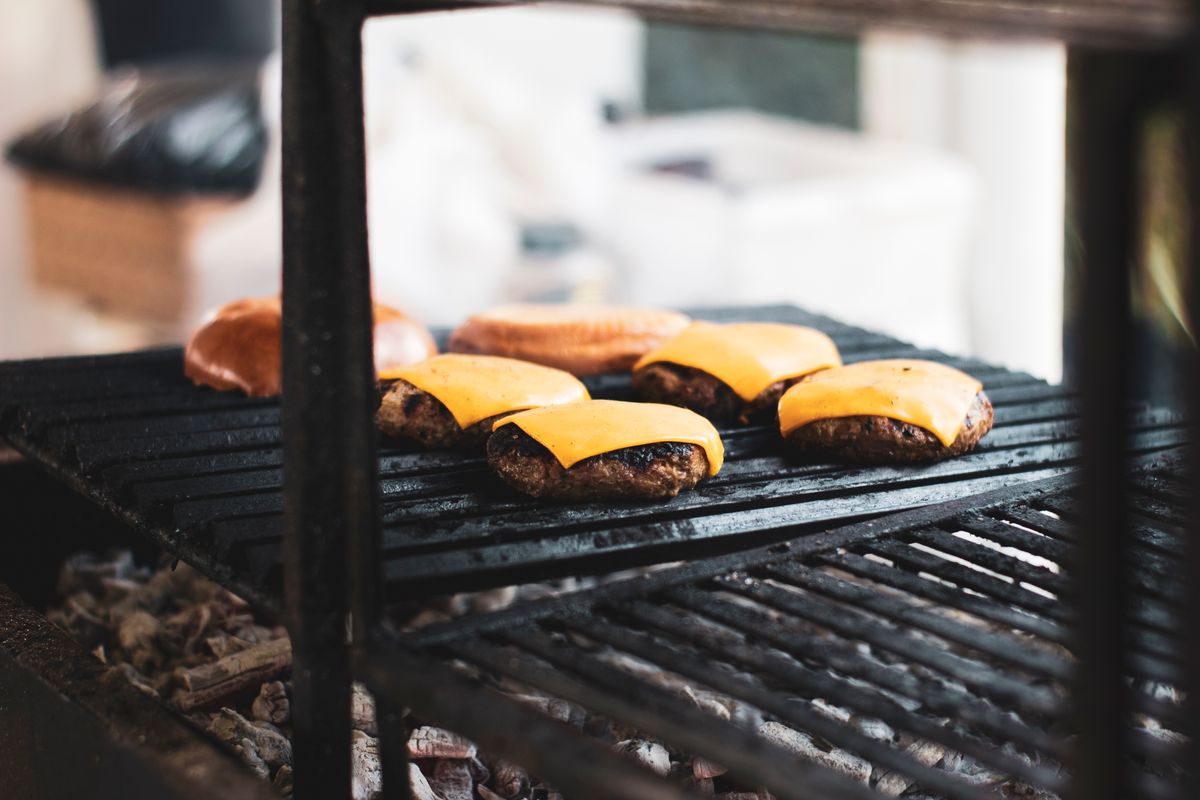
Bread is not merely a delivery system for melted cheese. It determines how the sandwich holds together, how evenly it browns, and whether the filling stays where you put it. King Arthur recommends a sturdy, easy-to-slice loaf that is not too fragile or full of large holes. A dramatic, hole-filled artisan slice may look excellent on a cutting board, but it is less convenient when the cheese finds an escape route straight into the skillet.
You do not need one officially approved bread to make a satisfying sandwich. What matters is matching its size and thickness to the filling and cooking method. Bon Appétit’s Added-Value Grilled Cheese, for example, uses country-style bread cut into half-inch slices. King Arthur also recommends close-grained sandwich bread and Pullman-style loaves. The shared idea is manageable structure: enough bread to hold the cheese, without turning a simple lunch into a thick sandwich whose center struggles to heat through.
The cheese needs similar consideration. King Arthur recommends checking how readily your chosen cheese melts and adjusting the pan temperature accordingly. Slower-melting cheese needs gentler heat and may benefit from a lid, while quickly melting cheese needs attention so it doesn’t run out before the bread browns. Rather than insisting one cheese is always superior, think about the result you want: flavor matters, but so does getting the filling properly melted before the crust overcooks.
Be restrained with extras, too. Ham, onions, pickles, and other additions can make an excellent variation, but stacking every favorite ingredient into one sandwich changes the cooking challenge. King Arthur warns that an overly thick sandwich may remain lukewarm in the center even when the bread is perfectly browned. Keep additions modest, and place cheese against both slices when using a filling that might slide around. Melted cheese can help hold the sandwich together rather than merely decorate it.
Related: No, Tillamook Didn’t Just Make Its Cheese Halal: It Always Was
Butter or Mayo? Coverage Matters
Butter gives grilled cheese a familiar flavor, and it remains a perfectly valid choice. Mayonnaise offers another route, particularly when you want a thin coating that is easy to spread across the bread. King Arthur recommends either and notes that a combination can also produce good browning. This is not a loyalty test between Team Butter and Team Mayo. The more useful question is whether you have covered the outside evenly instead of leaving dry corners and one heavily coated patch in the middle.
Chef Michael Voltaggio favors mayonnaise for that practical advantage. In a Bon Appétit interview, he advised, “Spread mayo on the outside of the bread instead of butter, it spreads more easily than butter, and the egg in mayo will give it a nice caramelized crust.” Hamel makes a similar case: “Mayonnaise spreads easily, covering every square centimeter of bread.” Both recommendations point to the same small improvement: an evenly coated surface, rather than a sandwich relying on a random puddle of fat in the pan.
For another upgrade, toast the inside surfaces before assembling the sandwich. King Arthur recommends spreading a little mayonnaise on the bread, toasting both sides, then adding the cheese and assembling the sandwich. That extra step adds crispness and starts the filling against warm bread, helping it melt. It is optional, not a new entrance requirement for grilled cheese, but it is especially useful when you want more texture without piling in extra ingredients.
Give the Cheese Time to Catch Up
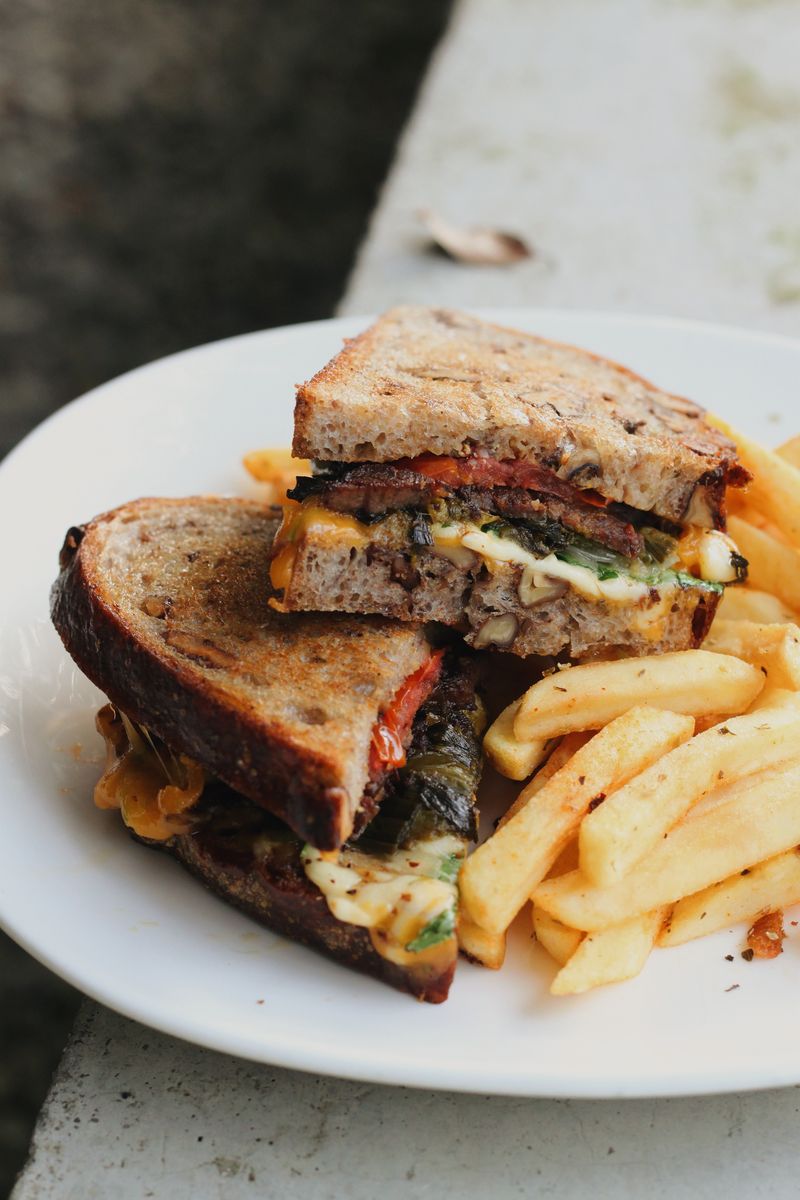
The most important adjustment may be your burner setting. King Arthur recommends low, slow cooking so the cheese melts while the bread develops its crust. Bon Appétit’s recipe begins over medium heat, then reduces it to medium-low after flipping. Those are different approaches, not contradictory rules: the exact setting depends on the sandwich and pan. Watch the bread and filling rather than assuming that the hottest skillet will deliver the fastest good result.
A lid can help when the outside is progressing faster than the middle. Covering the skillet traps heat around the sandwich, encouraging the cheese to melt instead of relying only on contact with the pan. King Arthur recommends this technique specifically to avoid the familiar disappointment of deeply toasted bread wrapped around incompletely melted cheese. A clear lid makes it easier to watch what is happening. The goal is coordination, not cooking the sandwich until it becomes a warning signal.
For a straightforward version, evenly coat the outer faces of two bread slices with softened butter or mayonnaise, add a manageable layer of cheese, and cook in a sturdy skillet over gentle heat. Flip when the underside is golden, then continue until the second side is browned and the cheese is melted, covering briefly if necessary. No elaborate filling or towering cheese pull is required. The details, sturdy bread, even coating, sensible filling, and patient heat, are what turn a basic sandwich into the one you actually wanted.
Other Posts You May Like
- USDA’s ESG Funding Rollback Could Affect Over 20,000 Dairy Farms
- Canadian Grocers Are Ditching US Products as Buy Canadian Movement Grows