Pumpkin does not always need cinnamon, frosting, or a place on the dessert table. Sometimes its best company is olive oil, rosemary, and a scattering of flaky salt.
In focaccia, pumpkin takes fall baking in a savory direction. It brings a warm golden color and gentle sweetness to a bread better suited to a bowl of soup than a dessert plate.
For anyone ready for something beyond another sweet pumpkin loaf, that is an appealing change.
The no-knead approach offers another reason to consider it. Instead of repeatedly working dough against the counter, the baker mixes it in a bowl, returns for short rounds of stretching and folding, then allows it to rise before baking.
There is still hands-on work. It simply arrives in intervals, with pauses that leave room to prepare the rest of the meal.
Understanding that rhythm is the starting point. The rest comes down to choosing the right pumpkin, handling the dough gently, and giving it time.
What Makes Pumpkin Focaccia Different?
Savory pumpkin focaccia is not the familiar quick bread poured into a loaf pan.
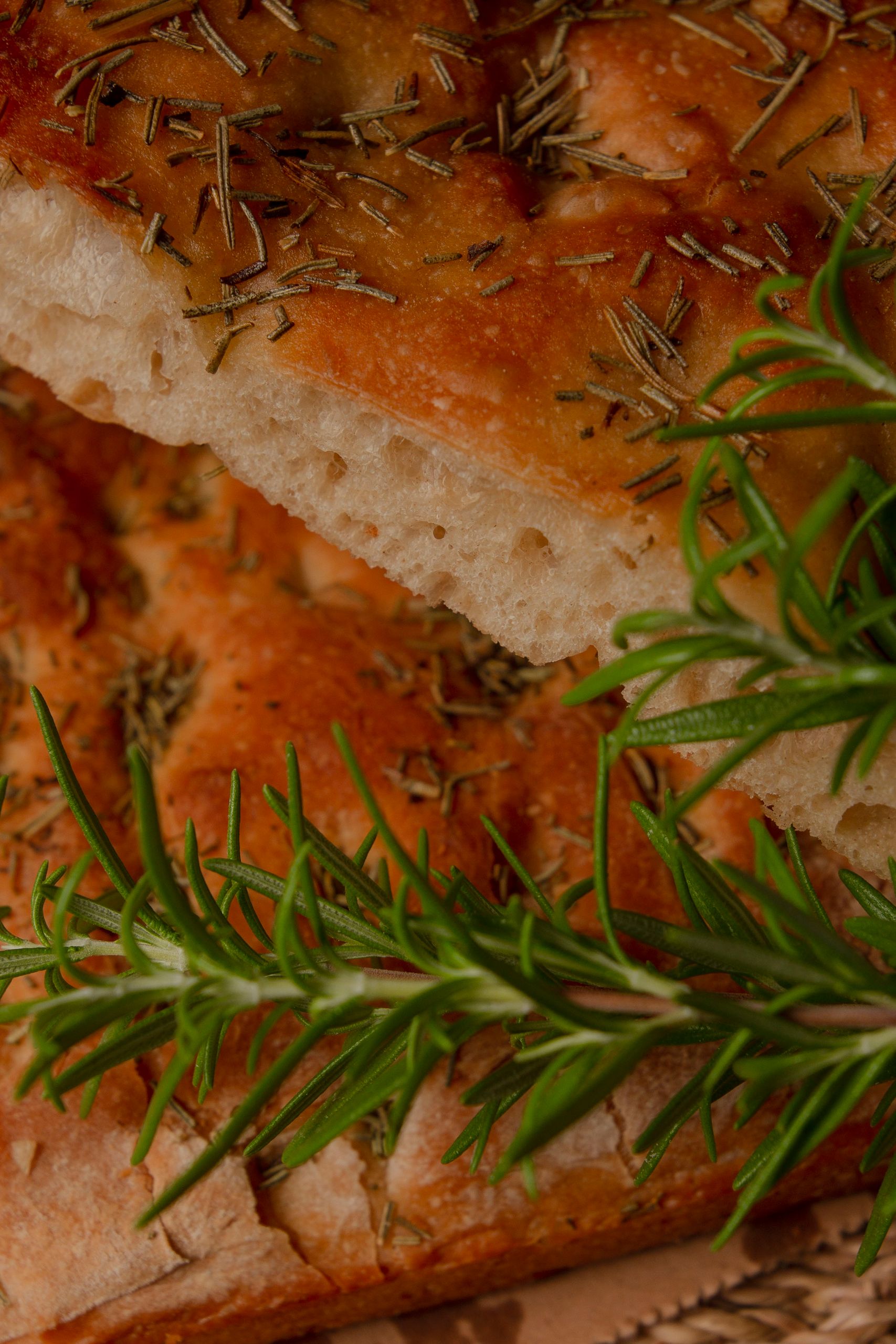
It is a yeast bread, with dough that rises before going into the oven. Olive oil, salt, and optional herbs make it more suited to the dinner table than the dessert plate.
Pumpkin contributes color and mild sweetness without requiring the spices associated with pumpkin pie. The dough may still include a little sugar, but the bread’s character comes from the balance of the whole formula.
That distinction opens up another use for an ingredient often reserved for muffins, cakes and sweet loaves.
Rather than asking pumpkin to carry an entire dessert, focaccia makes it part of a larger combination: bread, oil, seasoning and whatever meal happens to be waiting.
Start With Plain Pumpkin Purée
The first important decision happens before you take out the mixing bowl.
Plain pumpkin purée and pumpkin pie filling are different products. Purée provides the pumpkin base, while pie filling includes sweeteners and spices intended for dessert.
Those additions matter in savory bread. They introduce flavors and ingredients that a pumpkin focaccia formula may not be designed to accommodate.
Check the label for plain pumpkin rather than sweetened pie filling, even when the cans look similar.
Pumpkin also contributes moisture. It isn’t simply a seasoning you can add freely to an existing dough.
That makes a pumpkin-specific recipe the sensible starting point. Adding purée to a plain focaccia formula without adjusting anything else changes the flour-to-liquid ratio.
No-Knead Does Not Mean No Handling
The phrase “no-knead” can make a dough sound completely hands-off. This version still asks for a little attention.
Stretching and folding help build structure without conventional kneading. The movements stay in the bowl instead of happening on a floured counter.
With a damp hand, the baker lifts one edge of the dough and folds it over itself, then turns the bowl and repeats. A rest follows before the next round.
King Arthur Baking’s test kitchen explains the folding technique as a way to strengthen wet focaccia dough through brief handling periods.
Think of the folds as purposeful interruptions, not a workout. Their job is to help the dough organize and hold the gas it produces as it rises.
The schedule depends on the recipe. More handling isn’t automatically better, and another baker’s timetable shouldn’t replace the one written for the dough in your bowl.
Related: 7 Easy and Indulgent Instant Pot Desserts for a Cozy Night at Home
Resist the Urge to Add Extra Flour
A wet dough can feel unfamiliar, especially if you’re used to bread that forms a tidy ball.
The temptation is to add flour until it becomes easier to handle. With focaccia, that can move the dough away from its intended texture.
Damp hands make folding easier without adding flour every time the dough clings to your fingers.
Expect some change during the process. A rough mixture can become smoother and more cohesive as it rests and you fold it.
That does not mean every batch will look identical at every stage. The useful question is whether it is developing as the recipe describes, not whether it resembles a different bread.
Measure carefully at the beginning, then resist correcting normal stickiness with handfuls of extra flour.
Give the Dough Time to Rise
The physical work may be brief, but the pauses are part of the baking.
Mixing, folding, and rising each serve a different purpose. A dough can be easy to assemble and still need several hours before it is ready for the oven.
Ingredient and room temperatures can affect how quickly yeast dough rises. That makes visual cues important alongside the clock.
Look for the puffiness and expansion described in the instructions rather than assuming the dough must be ready because a timer has sounded.
For full ingredient quantities and pumpkin-specific directions, Jesse Szewczyk’s no-knead pumpkin focaccia recipe offers one developed approach.
Following a single formula from beginning to end avoids borrowing flour amounts from one recipe, folding instructions from another, and baking times from a third.
Choose the Pan Before You Begin
The baking pan influences how the dough spreads and how deeply it sits.
Don’t casually move a formula written for a rectangular metal pan into a much smaller dish or a larger sheet pan. The bread’s thickness and baking behavior will change.
Oil the pan as directed before transferring the dough. If it resists spreading, let it rest.
Forcing it into every corner right away can turn a gentle shaping step into an unnecessary struggle.
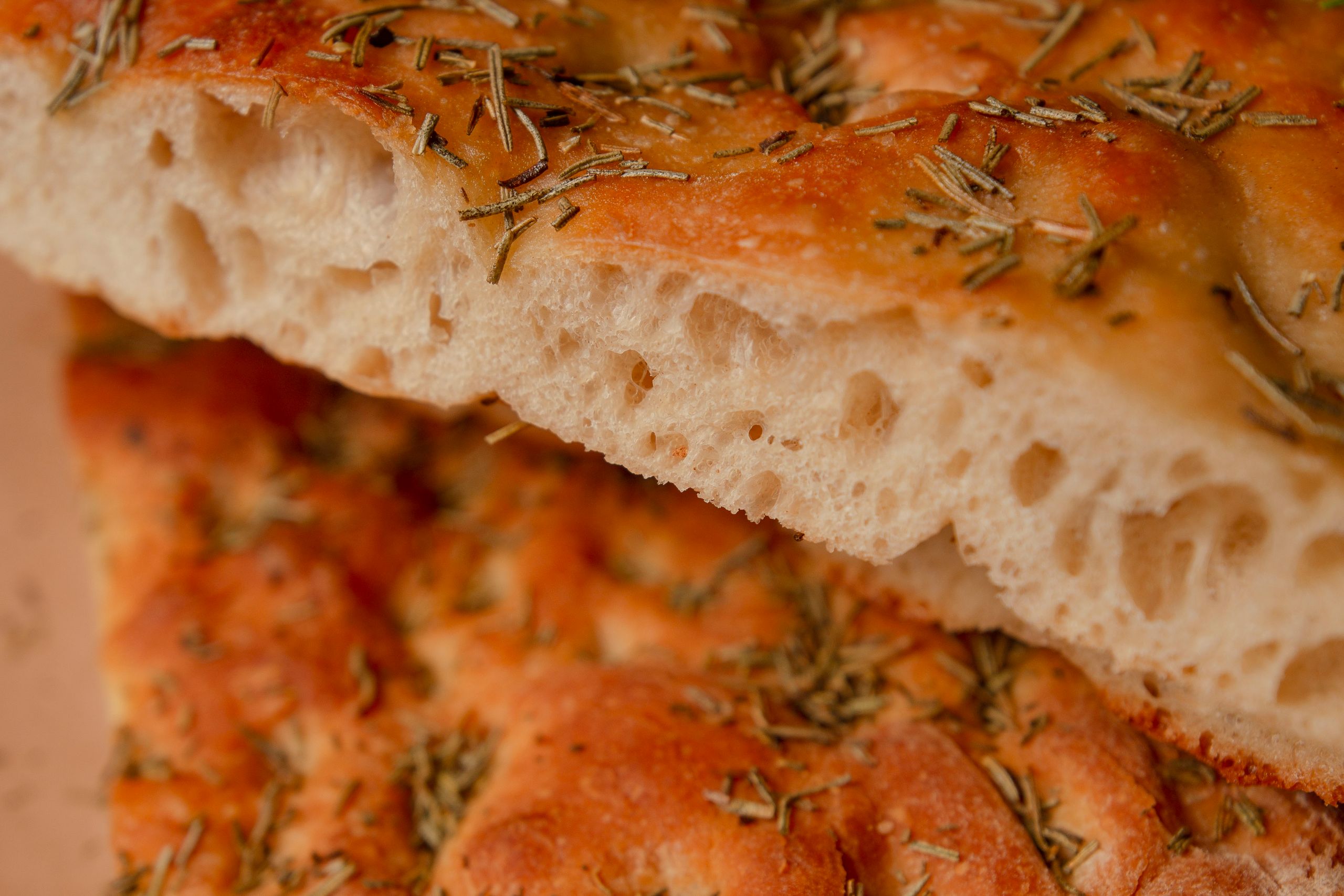
Once the dough has risen in the pan, oiled fingertips create focaccia’s characteristic dimples. Press deliberately rather than dragging across the surface.
The aim is a dimpled loaf ready for its final seasoning, not a perfectly symmetrical pattern.
Let Rosemary, Olive Oil and Salt Finish the Bread
Rosemary and flaky salt make a straightforward starting point.
They let pumpkin stay part of the bread rather than compete with a long list of additions. Olive oil supplies another familiar focaccia element without requiring a sweet glaze.
For a first attempt, restraint also makes the process easier to understand. Several unplanned additions make it harder to judge how the basic dough behaves.
Begin with the toppings and amounts intended for the recipe. There will be another loaf for experimentation once the method feels familiar.
Pumpkin does not need to taste like pie to make the bread feel seasonal.
A Fall Bread That Belongs Beside Dinner
Savory pumpkin focaccia can accompany soup, sit beside a salad, or be served with olive oil for dipping.
Its place in the meal is flexible. It can be the bread everyone reaches for between spoonfuls or the centerpiece of a simple lunch.
The most useful approach is also the least complicated: choose plain purée, follow one complete formula, handle the dough gently, and allow the resting stages to do their work.
The reward is a different way to welcome pumpkin into the kitchen, without making another dessert. If your next fall loaf traded cinnamon and sugar for rosemary and olive oil, what would you serve alongside it?