Mayor Zohran Mamdani has backed away from a broad property tax hike for now, but his fight to tax wealthy New Yorkers is still moving.
The latest budget turn is clear: Mamdani says New York City can avoid hitting regular homeowners if Albany allows the city to lean harder on millionaires, luxury second-home owners, and major corporations. CBS New York reported that his executive budget forgoes property taxes while relying on state help and wealth-focused revenue.
Mamdani’s Case Starts With the Budget Gap
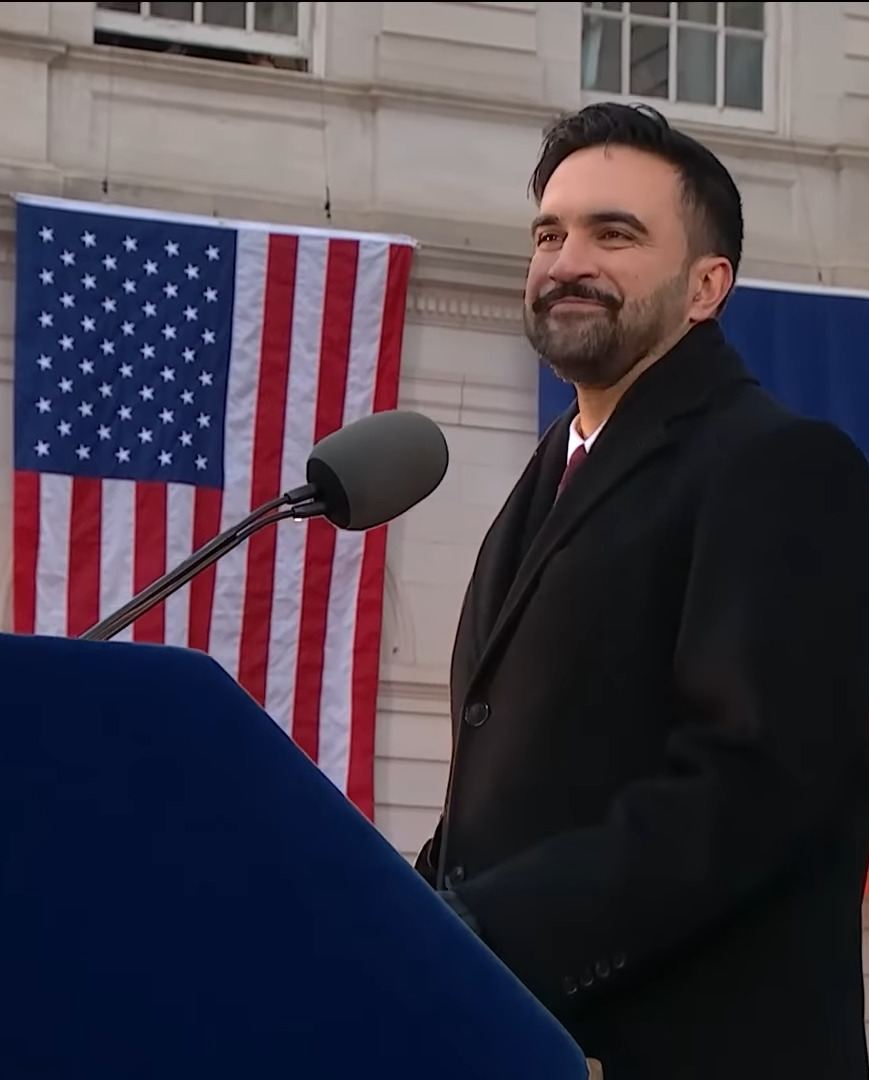
Mamdani’s argument is not complicated. City Hall needs money, and he does not want the bill landing first on renters, homeowners, and working families.
His administration has described the budget hole as historic. Earlier this year, the mayor warned that the city faced a multibillion-dollar gap tied to recurring costs, underbudgeted programs, shelter expenses, and rising service demands.
That gave him a choice with political teeth. Either New York taxes wealthier residents through Albany, or City Hall considers broader tools that could reach ordinary property owners.
NBC New York reported that Mamdani’s preliminary budget included a possible 9.5% property tax hike if state leaders refused to approve new taxes on wealthy New Yorkers.
That threat got attention fast.
Property Taxes Became the Pressure Point
A property tax increase is dangerous ground in New York City.
Homeowners feel it directly. Renters may feel it later if landlords pass along higher costs. Co-op and condo owners would also watch monthly costs rise.
That is why Mamdani used the idea as leverage rather than as his preferred pitch. He wanted Albany to see what the alternative could look like.
The message was aimed as much at state leaders as at city residents: approve wealth taxes, or the city may need to raise money from a much wider group.
City Council leaders pushed back. Many New Yorkers already face high costs for rent, insurance, food, child care, transit, and utilities. A broad property tax hike would be hard to defend.
By the time Mamdani released his executive budget, that threat was gone. But the tax-the-rich push stayed.
Luxury Second Homes Became the Target
Mamdani’s strongest win so far is the luxury second-home tax.
Gov. Kathy Hochul backed a pied-à-terre tax aimed at expensive second homes in New York City. The proposal targets homes worth more than $5 million when the owner’s main residence is outside the city.
The governor’s office said the plan would apply to luxury second homes and help close the city’s budget gap without raising taxes on everyday New Yorkers.
That is why Mamdani likes the policy. It gives him a clean contrast.
A family in Queens trying to keep up with bills is not the same as a billionaire holding a part-time Manhattan penthouse. That is the political line he is drawing.
Ken Griffin Became the Flashpoint
The fight sharpened when Mamdani used billionaire Ken Griffin as an example.
Griffin owns a $238 million apartment on Central Park South. Mamdani filmed near the building while promoting the pied-à-terre tax, pointing to luxury real estate as a place where extreme wealth is parked.
ABC7NY reported that Griffin threatened to cancel a $6 billion Park Avenue project after the mayor’s pushback on the Ken Griffin clash.
That gave Mamdani’s critics a strong argument. They say the mayor is risking jobs, investment, and tax revenue by making wealthy investors feel unwelcome.
Griffin also raised security concerns about the mayor’s video. Hochul tried to ease tensions, saying New York still wants major business investment.
Critics Fear a Rich Taxpayer Exit
Opponents of Mamdani’s plan say New York is playing with a fragile tax base.
The city depends heavily on high earners. If enough wealthy residents change their tax address, move business activity, or shift investments, the budget could take a hit.
Florida and Texas are always part of that warning. So are New Jersey and Connecticut.
Critics also argue that New York already has high taxes, high office costs, expensive housing, and heavy regulation. Add more taxes, they say, and the city risks looking hostile to success.
That argument carries weight in business circles. It also gives Hochul a reason to be cautious about wider income-tax hikes.
Supporters Say Regular New Yorkers Are Already Leaving
Mamdani’s side sees the problem differently.
Supporters argue that New York is already pushing people out, but not because millionaires are taxed too much. They say teachers, restaurant workers, nurses, young families, retirees, and small business owners are the ones struggling to stay.
For them, the mayor’s plan is about who gets protected first.
Should City Hall raise broad property taxes, or should it start with people who own multimillion-dollar second homes? Should big corporations pay more, or should the city cut services?
Mamdani is betting that most New Yorkers prefer the first option.
Albany Still Controls the Hardest Part
Mamdani cannot do the biggest tax changes alone.
Major income and corporate tax changes need Albany. That means Hochul and state lawmakers still control much of his budget strategy.
The city’s official executive budget says Mamdani closed the gap through savings, state partnership, and taxing the rich.
That line is central to his political brand. He wants to show he can fund services without draining reserves, cutting deeply, or raising broad property taxes.
But the Albany fight is not finished. Hochul has accepted the narrower luxury-home tax. She has not fully embraced every part of Mamdani’s tax agenda.
Latest Status
Mamdani’s reason for taxing rich New Yorkers is straightforward: he wants wealthy residents and luxury property owners to help close the budget gap before City Hall turns to broader taxes.
For now, the property tax hike is off the table. The luxury second-home tax has momentum. The broader fight over millionaires, corporations, and Albany’s approval remains open.
That is the real story behind Mamdani’s tax push. It is not just about punishing wealth. It is about deciding who pays first when New York City says it needs more money.