A single oil number can calm a market, shake a boardroom, and still leave drivers wondering why gasoline feels so expensive.
That is the bigger story behind the clash between U.S. Energy Secretary Chris Wright and Chevron CEO Mike Wirth after Wright said about 7 million barrels of oil are leaving the Persian Gulf each day with help from the U.S. military. On paper, that sounds like a relief. In reality, it has opened a deeper question: does the market trust the official story, or does it trust the people who move, buy, insure, and refine the oil?
This is no longer just a debate over barrels. It is a test of confidence in a fragile energy system where military support, tanker routes, oil prices, and household budgets are now tied together in one narrow stretch of water.
The number that was meant to calm the room
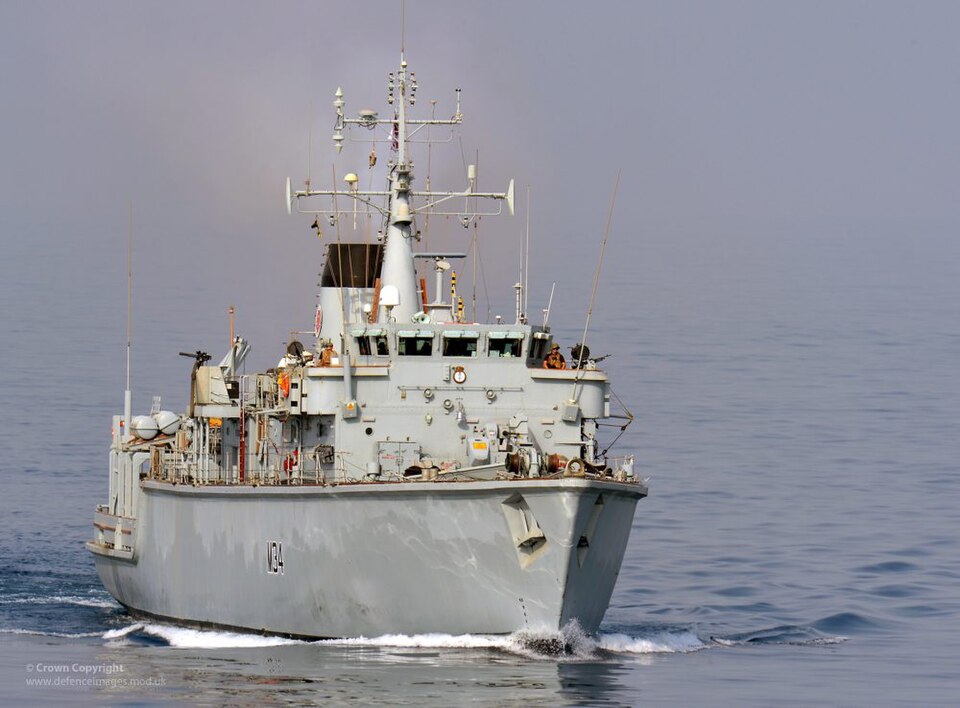
Wright’s message was clear. Oil is still moving. The Persian Gulf is not frozen. The world is not facing the worst-case scenario that many feared when tensions around the Strait of Hormuz intensified.
That matters because the Strait of Hormuz is not an ordinary shipping lane. It is one of the world’s most important energy chokepoints, linking major Gulf producers to buyers worldwide. When that route slows, the concern does not remain confined to the Middle East. It travels into oil futures, shipping contracts, airline fuel costs, grocery delivery expenses, and the price board outside the nearest gas station.
So when Wright put the figure at around 7 million barrels a day, the statement carried weight. It suggested that a significant portion of Gulf oil was still escaping the region despite the risk of conflict. It also gave markets a reason to believe that, while serious, the situation may not be spiraling out of control.
But then came the pushback.
Chevron’s warning cuts through the optimism.
Chevron CEO Mike Wirth did not treat the 7-million-barrel figure as a settled fact. His response reflected what many energy executives have been signaling for weeks: official numbers may not capture what is happening on the physical side of the market.
That distinction matters. Oil markets can react to headlines within seconds, but the real world runs on ships, ports, crews, insurance, storage tanks, refinery schedules, and buyers willing to accept risk. A barrel counted as moving may still face delays, rerouting, additional costs, or uncertainty before it becomes usable supply.ply.
Wirth’s skepticism turns the story from a simple political claim into a credibility fight. Washington wants the public and investors to believe the system is working. Industry leaders warn that the system may be working only because it is being stretched beyond usual limits.
That is the part ordinary Americans should watch closely. Markets can tolerate a disruption for a while if inventories, alternative routes, and emergency measures fill the gap. They become far less forgiving when those buffers begin to thin.
Why this is really about trust, not just oil
The most important commodity in this story may not be crude oil. It may be trust.
Traders need to trust that the barrels are real. Refiners need to trust that cargoes will arrive. Airlines and trucking companies need to trust that fuel costs will not suddenly jump. Consumers need to trust that pump prices will not erase the relief they briefly felt.
When government officials and oil executives appear to disagree about how much supply is actually moving, that trust weakens. Investors start pricing in doubt. Buyers become more defensive. Companies delay decisions. Consumers feel the uncertainty long before they understand the shipping details behind it.
That is why the Chevron pushback matters. It does not have to prove Wright wrong to move the story forward. It only has to remind the market that a headline number can hide messy details beneath the surface.
The Strait of Hormuz still holds the world hostage.
Before the current disruption, the Strait of Hormuz handled a massive share of global petroleum flows. That made it a quiet pillar of modern life. Most consumers never thought about it when filling up their cars, booking flights, or buying groceries moved by truck.
Now, the Strait is back in the center of the conversation because it shows how vulnerable the global energy system remains. The world has more suppliers than it once did. The United States produces huge amounts of oil. Other routes exist. Strategic reserves can be tapped. Yet none of that fully replaces a smooth flow through Hormuz.
That is the uncomfortable lesson. Modern energy security is stronger than it was decades ago, but it is not invincible. A conflict in one corridor can still ripple into American households, especially when the summer travel season is underway, and demand is high.
The danger is not only that oil stops moving. The danger is that oil moves unpredictably, expensively, and under military pressure. That kind of movement keeps the market alive, but it does not make the market comfortable.
Drivers may feel the argument before they understand it.
For most Americans, this story becomes real at the pump.
Gasoline prices have already been a source of frustration, even as recent relief has appeared in some parts of the country. When the national average remains above four dollars a gallon, families do not need an oil analyst to explain pressure. They feel it when commuting, planning road trips, or paying higher delivery costs that quietly show up in everyday purchases.
That is why the Wright versus Wirth exchange has public importance. A disagreement over Gulf exports can become a household cost story within days or weeks if the market deems the risk greater than officials suggest.
Even if prices do not spike immediately, uncertainty can keep them elevated. Refiners may pay more to secure crude. Shippers may charge more to handle risk. Insurers may raise costs for tankers moving through dangerous waters. Those costs do not disappear. They move through the system until someone pays.
Often, that person is the consumer.
Washington wants stability, oil executives want proof.
There is a reason officials speak carefully during energy crises. Panic can become expensive. If markets believe supply is collapsing, prices can surge before the full facts are known.
That gives Washington a strong incentive to project control. Saying that millions of barrels are still moving signals to the market that the U.S. military, diplomacy, and commercial logistics are preventing a deeper shock.
Oil executives operate from a different position. They must manage physical risk. Their companies deal with real cargoes, real contracts, and real financial exposure. If they believe supply is tighter than public statements suggest, they have every reason to say so.
This does not mean one side is automatically lying. It means they may be measuring different realities. The government may be focused on total movement. Industry may be focused on reliability, timing, cost, and whether those barrels can continue to flow at the same level.vel.
That gap is where the story lives.
The bigger risk is a slow burn, not a sudden collapse.
The dramatic version of an oil crisis is easy to picture: ships stop, prices explode, and drivers line up at gas stations. But the more likely danger may be slower and more frustrating.
The market can survive on workarounds for a while. Cargoes can be rerouted. Inventories can be drawn down. Producers outside the Gulf can increase exports. Consumers can absorb higher prices for a time.
But every workaround has a limit. If emergency measures become the normal plan, the system grows weaker. If inventories fall too far, the next shock becomes harder to absorb. If companies lose confidence in shipping schedules, the price of caution rises.
That is why the 7-million-barrel claim matters, even if it is partly true. The question is not only how much oil moved yesterday. The question is whether that flow can continue tomorrow, next week, and through the rest of the summer without forcing prices higher.
What readers should watch next?
The next major signal will not come from a single speech or a single CEO response. It will come from prices, tanker data, inventory reports, and whether Gulf exports continue to improve without heavy military involvement.
If oil prices keep easing, Wright’s confidence may look justified. If prices rise again despite official assurances, Wirth’s skepticism will look more like an early warning. If gasoline prices remain stubborn, the public may care less about who won the argument and more about why relief is taking so long to reach them.
This story is compelling because it exposes a fragile truth. The global oil market can look calm from a podium and nervous from a trading desk at the same time.
For now, Washington is asking the market to believe that enough oil is getting out. Chevron’s CEO is reminding everyone that enough is not the same as secure.
And somewhere between those two messages sits the American driver, watching the pump, waiting to see which version of the story becomes real.