Cushing, Oklahoma, rarely makes headlines, but the small city sits at the center of America’s oil pricing system. It is where crude oil is stored, measured, and routed into pipelines that feed refineries across the country.
Now that the system is under pressure. According to CNN Business, inventories at Cushing have dropped to about 21.6 million barrels, dangerously close to the operational floor near 20 million barrels where the system begins to lose stability. The concern is not just low supply. It is what happens when the infrastructure that moves oil starts running on too little volume to function smoothly.
A Key Oil Hub Approaching Its Breaking Point
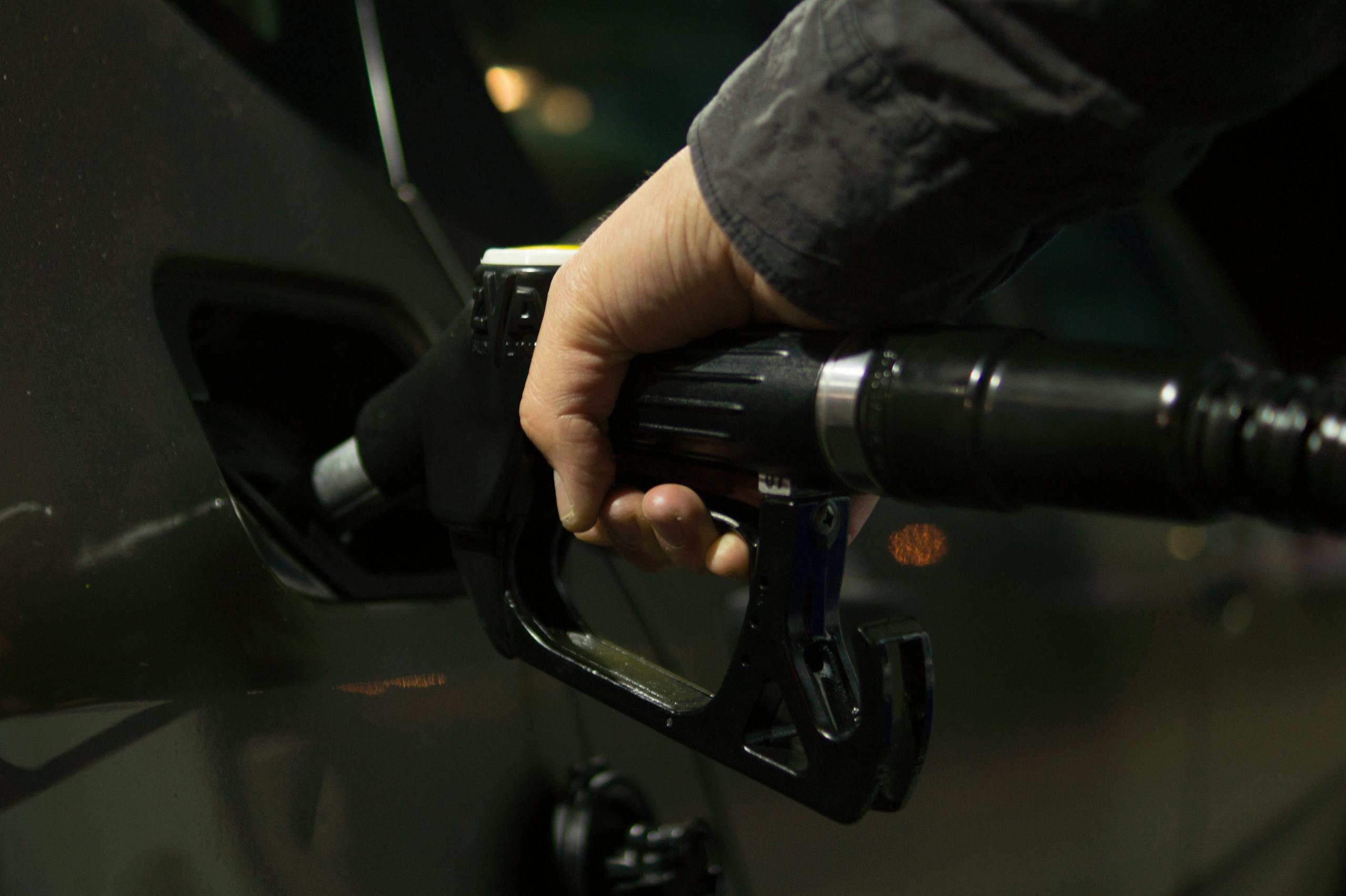
Cushing is not just a storage site. It is the pricing hub for West Texas Intermediate crude, the benchmark that influences fuel costs across the United States. When oil flows normally, it enters storage, moves through pipelines, and reaches refineries without disruption.
But energy systems do not fail only when they run out of oil. They fail when circulation weakens. Experts describe Cushing as approaching a critical threshold where pipeline pressure, storage balance, and delivery flexibility begin to break down. With normal inventories closer to 40 million barrels, the current level signals a system under strain rather than routine fluctuation.
Why the Risk Is Bigger Than Just One Location
The pressure in Cushing is tied to global disruption, including conflict in the Middle East and concerns around the Strait of Hormuz, one of the world’s most important shipping routes. As international supply tightened, more countries turned to U.S. oil exports, pulling inventories down faster than they could be replenished.
This is not only a crude oil issue. Diesel stocks in the United States have fallen to their lowest level since 2004, and gasoline inventories are also slipping below last year’s levels. When diesel tightens, the impact spreads quickly into trucking, agriculture, shipping, and food distribution, meaning price pressure can move far beyond fuel stations.
Why Prices Have Not Spiked Yet and Why That Could Change Fast
Despite the stress in the system, oil and gasoline prices have not yet reached record highs. That is because global markets entered the crisis with unusually high inventory levels, which temporarily absorbed the shock of supply disruptions.
But that cushion is shrinking. As inventories fall, the market becomes more sensitive to even small disruptions. A refinery outage, pipeline delay, or weather event could trigger sharper price swings because there is less spare supply to stabilize the system. In this environment, volatility replaces predictability.
The Hidden Threshold That Could Change Everything
Energy analysts often point to a rough operational floor near 20 million barrels for Cushing. This is not an official shutdown level, but a point where pipeline efficiency begins to weaken, and the system loses flexibility.
At this stage, oil is still present, but harder to move efficiently through the network. That is what makes the situation sensitive. The issue is not total depletion. It is reduced circulation. When that happens, pricing becomes more reactive, and supply chains lose their ability to absorb shocks.
The Diesel Warning Sign Most Consumers Do Not See
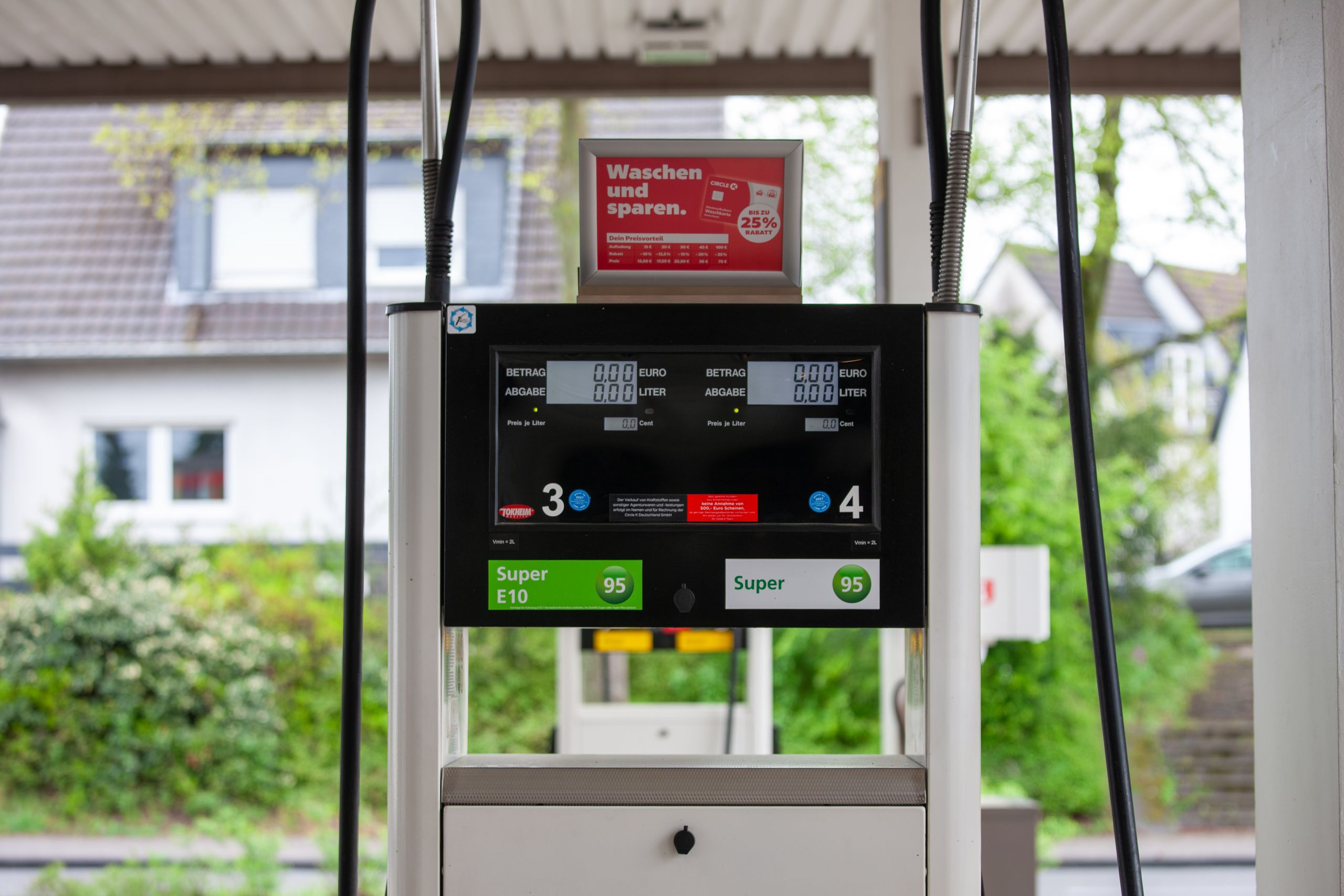
While crude oil dominates headlines, diesel may be the more important signal for the broader economy. It powers freight trucks, farming equipment, construction, and global shipping networks.
With diesel inventories already at multi-decade lows, the risk is not limited to fuel prices. It can spread into grocery costs, delivery fees, manufacturing expenses, and local business operations. When diesel tightens, inflation often follows through the real economy faster than it does at the gas pump.
What Comes Next for Cushing and U.S. Fuel Prices
If global supply routes remain under pressure, analysts warn oil prices could rise sharply, with some forecasts pointing toward 140 to 160 dollars per barrel in a sustained disruption scenario. That would push gasoline and diesel significantly higher, especially in regions heavily dependent on trucking and transport.
For now, the system is still functioning. But Cushing is operating closer to its limits than it has in years. In energy markets, it is not a collapse that creates the biggest shock. It is the moment just before the system can no longer absorb pressure.