Jack Schlossberg’s Trump warning lands because it says the quiet part of modern politics out loud. The grandson of President John F. Kennedy is not simply attacking Donald Trump as a rival political figure. He is warning that Trump understands attention, repetition, and social media pressure in a way many Democrats still underestimate.
That warning matters because politics no longer begins at the debate podium. It often begins on a phone screen, inside a short clip, a reposted phrase, or an argument that spreads before voters hear the full story. In that world, the strongest message is not always the most detailed one. It is often the message people remember first.
Schlossberg’s point is uncomfortable because it forces Democrats to study Trump’s strengths without admiring his politics. That distinction is important. A party cannot defeat a communication strategy it refuses to understand. The Jack Schlossberg Trump warning is really about the dangerous power of agenda control in the digital age.
A Kennedy Heir Walks Into Trump’s Attention Machine
The Kennedy name gives this moment a deeper historical charge. The family rose in an era when television became the new political stage. John F. Kennedy understood posture, image, timing, and national mood at a time when the camera could redefine leadership.
Schlossberg is entering politics in a harsher media environment. The camera has been replaced by feeds, fragments, influencers, and algorithm-driven outrage. Voters no longer wait for one evening news broadcast to shape their view. They absorb politics through clips that compete with celebrity gossip, economic anxiety, war footage, sports debates, and family posts.
That contrast makes the Jack Schlossberg Trump warning more than a campaign remark. It shows how far American politics has moved from polished television charisma to digital combat. The Kennedy era rewarded calm confidence on screen. The Trump era rewards speed, conflict, repetition, and emotional dominance.
Trump’s Power Is Not Approval, It Is Control
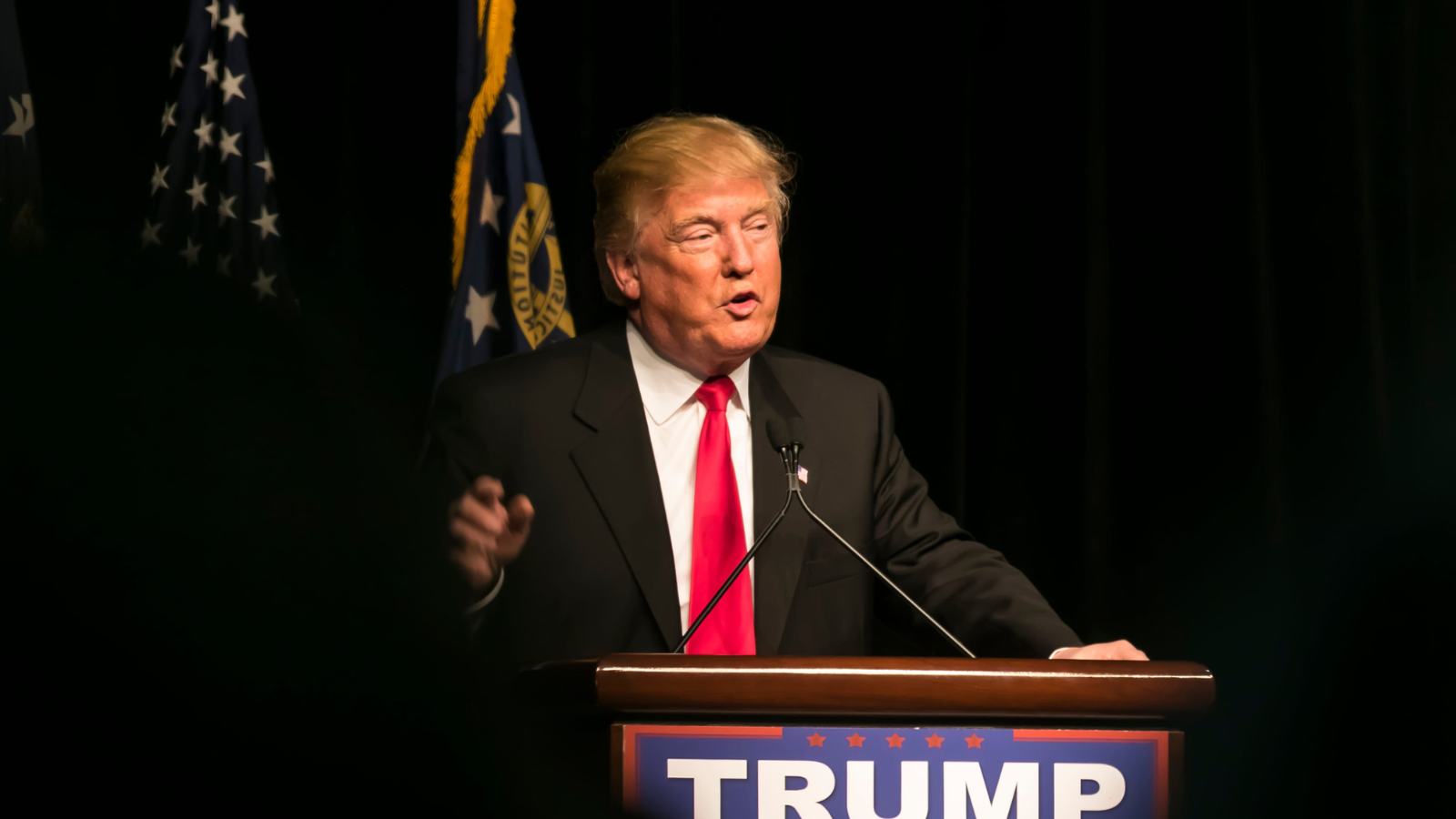
Trump’s political advantage does not depend on making every voter like him. Many voters reject his tone, his conduct, and his message. Yet he can still control what the country talks about, which can be just as powerful as approval.
This is the central insight behind Schlossberg’s warning. Trump often chooses the subject before his opponents can prepare a response. He posts, insults, accuses, reframes, or exaggerates, then critics spend the next news cycle reacting to his language. Even anger can serve him when it keeps his message at the center of public attention.
That pattern creates a difficult problem for Democrats. If they ignore a provocative statement, they risk looking weak or evasive. If they respond to it, they may help spread the same frame they want to defeat. Trump’s communication strength lies in that trap.
The Repetition Trap Keeps Working
Political messages gain power through repetition. A phrase does not need to be universally accepted to become influential. It only needs to be repeated often enough to become familiar.
Trump understands this better than many traditional politicians. He compresses conflict into memorable language, then lets supporters, critics, journalists, and commentators circulate it. Opponents may repeat the phrase to condemn it, but the public still hears the phrase again. In a crowded media environment, familiarity can shape perception before careful analysis begins.
This is why Jack Schlossberg’s Trump warning feels sharper than a typical partisan criticism. Schlossberg is pointing to a system of influence, not just a personality. Trump’s opponents often believe they are pushing back. Yet in practice, they may help him place his chosen words inside the public mind.
Democrats Keep Bringing Policy Papers to a Message War
Democrats often trust policy detail to carry moral weight. They talk about health care, housing, taxes, wages, rights, corruption, and public institutions, layering in explanations. Those issues matter deeply, but careful language can disappear quickly in a media culture built for speed.
Trump’s messaging works differently. He turns complex anxieties into short emotional signals. He gives voters villains, slogans, grievances, and scenes they can repeat. That does not make the message responsible, but it does make it portable.
This is where Democrats often lose ground. They may have stronger policy arguments, but they often package them in cautious, formal language that struggles to travel. The Jack Schlossberg Trump warning exposes that weakness. Modern campaigns do not reward the side with the longest explanation. They reward the side with the clearest emotional frame.
Social Media Has Become the First Debate Stage
The first debate no longer happens under studio lights. It happens in social media feeds long before candidates stand behind podiums. Many Americans now encounter political arguments through short clips, commentary pages, influencer reactions, and reposted fragments.
This shift changes the rules of political persuasion. A candidate’s message must compete with entertainment, fear, comedy, outrage, personal distraction, and breaking news. A dull statement can vanish in seconds. A sharp phrase can travel for days.
Trump has built much of his political power around this reality. Schlossberg’s warning matters because it recognizes that social media is no longer a side channel. It is one of the main places where voters decide who feels strong, who feels weak, who feels authentic, and who feels out of touch.
Schlossberg Is Also Playing the Game He Critiques
There is a clear irony in Schlossberg’s warning. He is criticizing Trump’s ability to command attention while using attention to build his own political identity. His public rise has included social media commentary, sharp political attacks, humor, and the natural visibility that comes from the Kennedy name.
That does not invalidate his warning. It makes it more complicated. Schlossberg understands the digital battlefield because he has stepped onto it himself. He is not making the argument as an old guard Democrat who dislikes the internet. He is running as a candidate, trying to turn online fluency into political credibility.
The risk is that attention can become a substitute for trust. Viral reach may introduce a candidate to voters, but it cannot prove discipline on its own. Schlossberg must show that his media instincts support a serious governing vision. Otherwise, his campaign could become another example of the same attention culture he criticizes.
New York’s 12th District Becomes a Test Case.
Schlossberg’s congressional campaign gives the warning real political stakes. New York’s 12th District is not just a local race. It is a high-profile Democratic contest shaped by generational change, anti-Trump politics, elite institutions, local concerns, and national attention.
The race also raises a larger question for Democrats. What kind of candidate can break through in the current media environment? Some voters may value experience and local roots. Others may want sharper anti-Trump messaging, younger energy, or a candidate who understands how political communication has changed.
Schlossberg enters that contest with advantages and liabilities. His name draws curiosity, but it also invites skepticism. His social media style attracts attention, but voters still need to see seriousness. His Trump warning will carry more weight if he proves that attention can become trust, organization, and public service.
Young Voters Expect Less Scripted Politics
Younger voters often encounter politics through informal channels before they encounter official campaigns. They see clips, reactions, satire, explainers, and personal commentary. This does not mean they reject seriousness. It means they often distrust messages that sound too polished or too controlled.
Schlossberg’s style speaks to that shift. He appears more comfortable with digital culture than many traditional candidates. That may help him connect with voters who see old political language as stale, evasive, or artificial. Yet the same style can also create doubts if it feels more performative than prepared.
This tension defines much of modern politics. Voters want authenticity, but they also want competence. They want candidates who sound human, but they also want leaders who can govern. The Jack Schlossberg Trump warning sits inside that tension because it asks whether Democrats can become more direct without becoming reckless.
The Bigger Democratic Problem Is Reaction Without Replacement
Democrats often react to Trump with moral urgency. That can be necessary, especially when democratic norms, public institutions, or vulnerable communities face pressure. Yet reaction alone cannot become a full political strategy.
A stronger response requires replacement. Democrats need to replace Trump’s frame with one of their own. They need language that connects policy to daily pressure. Rent, groceries, health care, wages, corruption, safety, and dignity must become simple enough for voters to repeat without losing their meaning.
This is not a call for empty slogans. It is a call for disciplined clarity. Voters should not need a policy memo to understand what a party stands for. If Trump can turn grievance into a memorable story, Democrats must turn practical improvement into language that feels just as clear.
The Old Rulebook No Longer Explains the New Campaign
For decades, campaigns leaned heavily on endorsements, television ads, newspaper coverage, debate performances, and donor networks. Those tools still matter, but they no longer define the whole battlefield. A campaign can look strong on paper and still struggle if its message fails to move online.
The modern campaign rewards speed and repetition. It also punishes confusion. Candidates who take too long to define themselves may get defined by opponents, critics, or algorithms. That is why Schlossberg’s warning deserves attention beyond his own race.
American politics now operates inside a fragmented media system. Different voters live in different information worlds. Some follow mainstream outlets, others trust influencers, podcasts, partisan pages, or personal networks. In that environment, message discipline becomes harder and more important.
Final Thought
The Jack Schlossberg Trump warning should not be reduced to a strange compliment from a Kennedy grandson to a political opponent. It is a serious observation about how power moves in the modern public square. Trump’s strength is not only that he speaks loudly. It is that he often makes everyone else speak in response.
That is the mind game Democrats still struggle to beat. They cannot afford to ignore Trump’s communication style, but they also cannot afford to become trapped inside it. The task is harder than outrage and deeper than imitation. They need to build messages that are clear, truthful, memorable, and emotionally connected to everyday life.
Schlossberg’s own campaign now faces that same test. He has attention, a famous name, and a sharp diagnosis of the problem. The unanswered question is whether he can turn those advantages into trust. In an age where politics begins in the mind before it reaches the ballot box, that may be the hardest challenge of all.