The first reverse aging drug injected into a human sounds like the kind of medical breakthrough Americans are trained to celebrate. It promises youth, restored function, and the possibility that cells damaged by age could one day be pushed into acting younger again.
But beneath the excitement is a colder question. If science learns how to slow, repair, or partially reverse some effects of aging, who will actually benefit from it in a country where millions already struggle to pay for ordinary medicine?
This is not a proven fountain of youth. It is an early human trial aimed at serious eye diseases such as glaucoma and sudden optic nerve damage. Still, the moment matters because it opens a door America may not be ready to walk through fairly.
The Rich May Get Younger While Everyone Else Gets Bills

The most uncomfortable part of the reverse aging race is not the science. It is the money behind it. When billionaires, biotech companies, and major pharmaceutical players rush toward a new medical frontier, ordinary Americans have every reason to wonder whether the final product will be built for patients or priced for the wealthy.
America already has a painful health care divide. Some people can pay for elite doctors, early access programs, private testing, and cutting edge treatments. Others delay dental care, split pills, avoid checkups, or ignore symptoms because one hospital bill could wreck their life.
If reverse aging therapies ever work, they may not become affordable medicine for everyone. They may arrive first as luxury biology, available to the people who already have the most power, money, and time to extend.
America Already Treats Aging Like A Personal Failure
Americans are constantly told to fight aging as if growing older is a mistake. Creams promise younger skin. Fitness ads sell ageless bodies. Supplement companies turn normal fear into a monthly subscription. Now, cellular reprogramming could push that pressure into a much more intense place.
If doctors eventually learn how to make certain cells act younger, many people may start feeling guilty for looking old, feeling tired, or needing help. Aging could become less accepted and more judged. Instead of seeing older adults as human beings with value, society may start asking why they have not been medically upgraded.
That is a dangerous cultural shift. People should not have to buy biological renewal to be respected, employed, loved, or seen.
The Science Is Exciting, But The Risks Are Serious
Cellular reprogramming is powerful because it tries to change how cells behave at a deep level. That is exactly why it is not something to treat casually. A therapy that can make aging cells act younger must prove that it will not make them unstable, confused, or dangerous.
One of the biggest concerns is cancer. Some cellular reprogramming factors have been linked to uncontrolled growth in animal research. Scientists working in this field understand the risks, which is why newer therapies are being designed with greater control and caution.
The first human trial is being conducted in the eye, partly because it is easier to monitor and more contained than many other parts of the body. That does not erase the concern. It only shows how carefully the field must move.
The Eye Trial Could Be Used To Sell A Bigger Dream
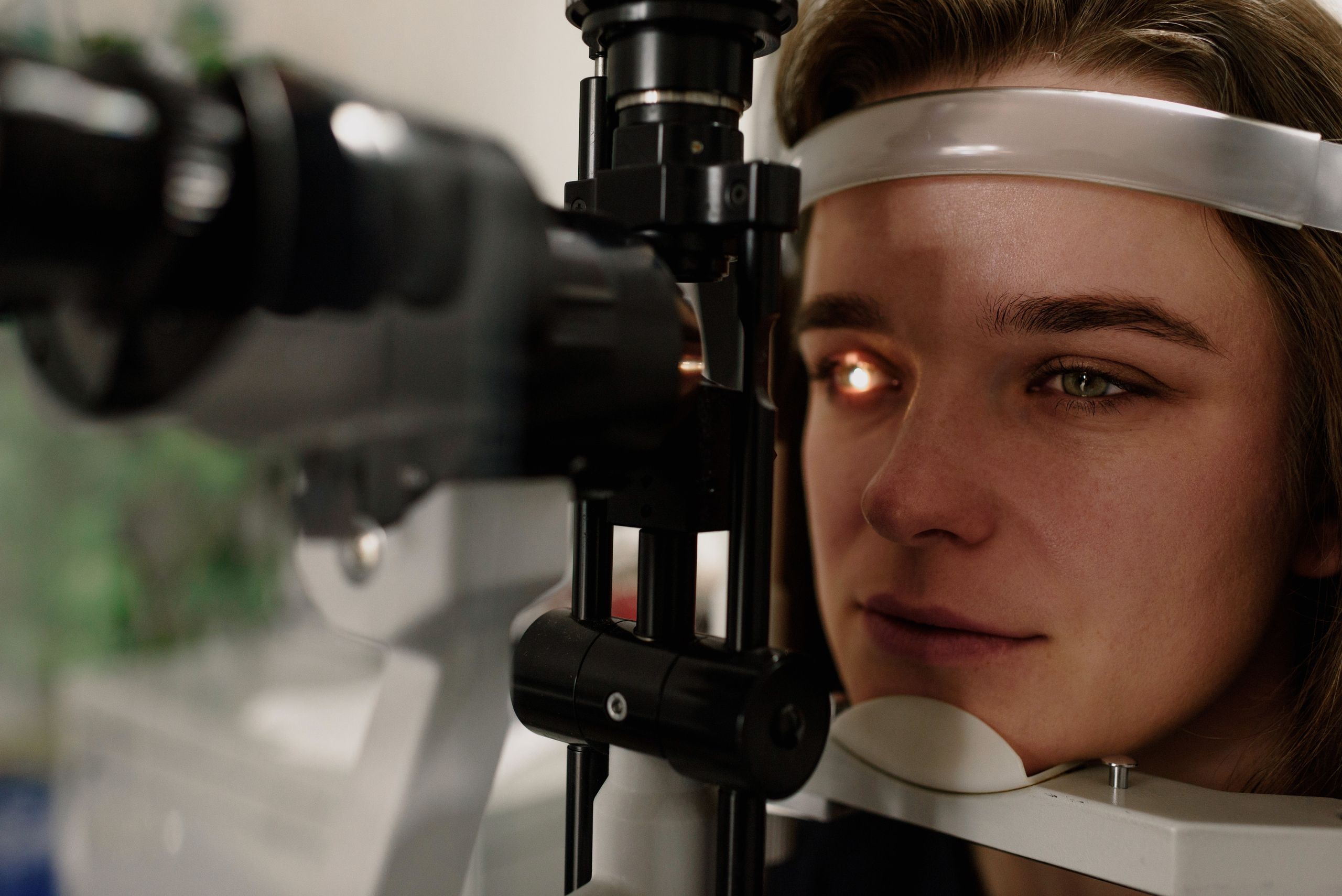
The current trial focuses on serious vision problems, not full-body youth. That distinction matters. Glaucoma and optic nerve damage are real medical problems that can affect independence, work, driving, reading, and daily life.
But once the public hears the phrase “reverse aging,” the story becomes much bigger than just one eye injection. It becomes a dream about beating old age itself. That is where hype can become dangerous.
Americans have seen this pattern before. A legitimate scientific step becomes a marketing fantasy. A narrow medical trial becomes a viral promise. A careful experiment becomes a headline that makes people believe the future is nearer than it really is.
Big Pharma Could Turn Longevity Into The Next Expensive Subscription
If reverse aging medicine works, it may not be a one-time miracle. It could become a repeated treatment, a long term program, or a new class of expensive therapies monitored over years. That would make it incredibly valuable to companies.
This is where many Americans will feel uneasy. The country already has high drug prices, confusing insurance rules, and medical systems that often punish people for being sick. A new longevity industry could make that worse if it becomes another product people need but cannot afford.
The darker possibility is clear. Aging may become another market where fear is monetized, hope is packaged, and survival feels tied to income.
Workers Could Face A New Kind Of Pressure To Stay Productive
If medicine begins extending health and function, employers may not respond with compassion. Some may respond by expecting people to work longer, retire later, and stay productive deep into old age.
That could be brutal in a country where many workers are already exhausted. A breakthrough that should give people more healthy years could be twisted into an excuse to delay retirement, shrink benefits, or tell older workers they have no reason to slow down.
Americans do not just need longer lives. They need lives that are livable. A society that extends working years without improving wages, health coverage, housing, and retirement security is not offering freedom. It is offering a longer grind.
The Anti Aging Industry Could Become More Predatory
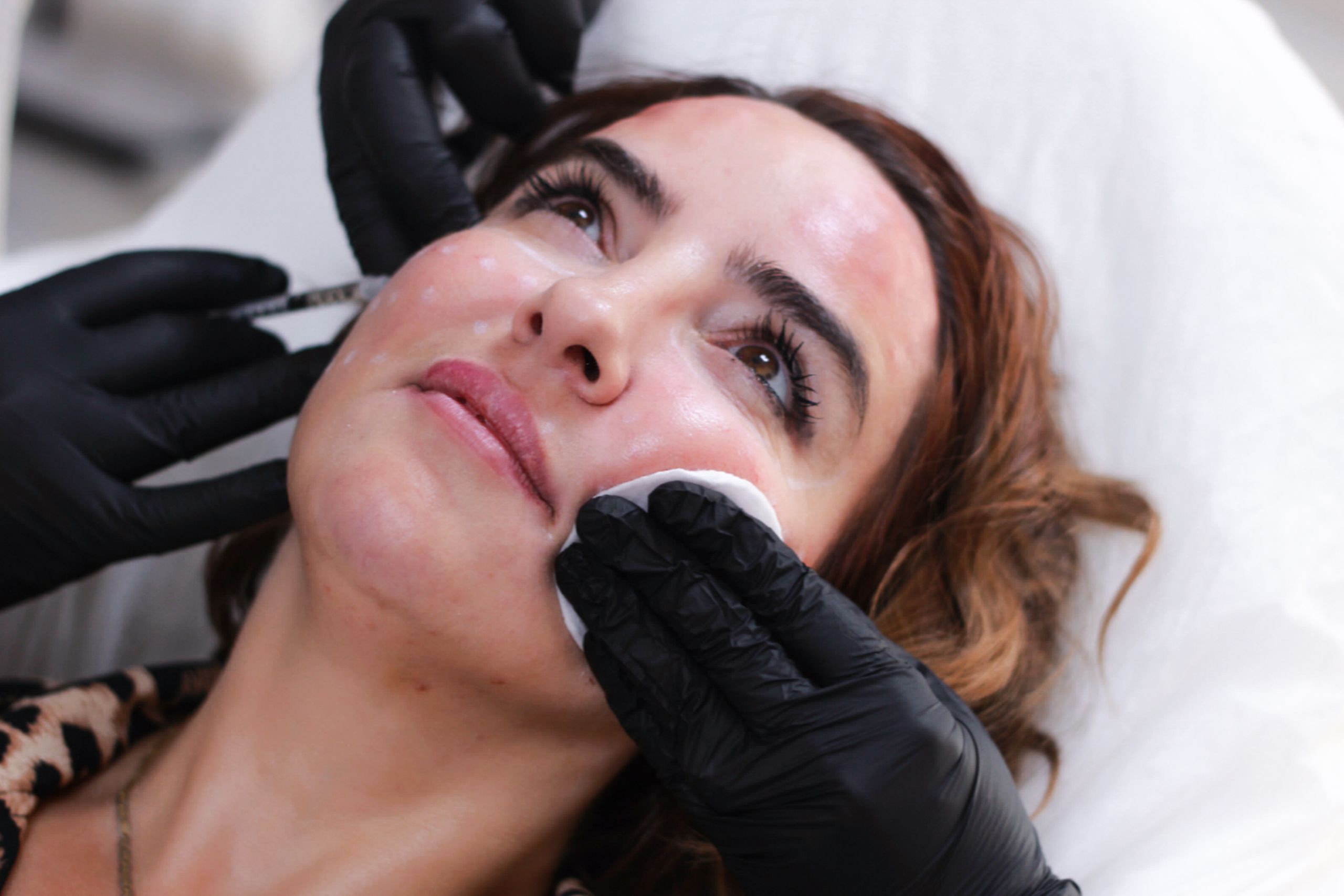
The wellness market is already crowded with products that promise energy, youth, detox, sharper thinking, better sleep, and longer life. Many people buy them because they are scared of decline and desperate to feel in control.
A real reverse aging trial could give shady marketers a powerful new weapon. They may use the language of cellular reprogramming to sell pills, clinics, injections, and unproven treatments that have nothing to do with actual science.
That is the risk when legitimate research enters a culture addicted to shortcuts. The science may be careful, but the sales pitch will not be. Ordinary Americans could end up paying for fake hope long before real medicine is ready.
Older Americans Could Be Divided Into The Treated And The Untreated
America already has deep inequality among older adults. Some seniors retire comfortably. Others choose between rent, groceries, medicine, and utility bills. Some have family support. Others age alone with fragile savings and poor access to care.
Reverse aging medicine could deepen that divide. If only wealthy patients can afford advanced cellular therapies, aging itself may begin to look different depending on class. The rich may receive treatments that preserve vision, strength, and independence, while poorer Americans are left with underfunded clinics and long waits.
That kind of future should trouble everyone. A medical breakthrough that only protects the privileged could turn longevity into another symbol of inequality.
America May Not Be Ready For The Ethics Of Longer Life
The question is not only whether reverse aging science can work. The question is whether America has the moral maturity to handle it. Who gets access first? Who decides what counts as necessary treatment? Will insurance cover it? Will it be used for disease only, or will wealthy people push it into enhancement?
These questions matter because the technology could eventually change how society thinks about health, aging, disability, work, retirement, and fairness. Without strict rules, the market will answer those questions first. And when the market answers first, the richest voices usually speak the loudest.
The science may be heading toward the future, but American policy often struggles to handle the present. That gap could become a real danger.
The first reverse aging drug injected into a human is not just a medical story. It is a warning about what happens when powerful science enters an unequal country.
The trial may lead to something valuable, especially for people facing devastating vision loss. If researchers can safely restore damaged cells, the achievement could become one of the most important medical advances of this century.
But Americans should not ignore the darker side. A future where aging can be treated must not become a future where only the rich are allowed to age well. The real test is not just whether science can make cells younger.
The real test is whether society can keep that power from becoming another luxury reserved for those who can already afford everything else.