Nigerian food is finding an enthusiastic audience in the United States, introducing more American diners to rich flavors, colorful dishes, and cooking traditions that have been celebrated across West Africa for generations.
From smoky jollof rice to spicy grilled suya and golden puff-puff, Nigerian cuisine offers something for nearly every adventurous food lover. Many dishes combine familiar ingredients such as rice, chicken, beef, beans, and plantains with distinctive seasonings and cooking techniques.
The growing visibility of Nigerian cuisine is also reflected in the American restaurant scene. In June 2025, Nigerian-American writer Luvvie Ajayi Jones published a directory featuring more than 170 Nigerian restaurants across the United States, illustrating how widely the cuisine is represented.
Here are 12 Nigerian foods American diners are discovering, ordering, and adding to their favorites list.
Jollof Rice: The Smoky Rice Dish That Wins Over First-Time Diners
Jollof rice is one of Nigeria’s most recognizable dishes and an excellent introduction to the country’s cuisine. It combines rice with tomatoes, peppers, onions, seasonings, and a rich cooking base that gives the finished dish its signature reddish-orange appearance.
For Americans who enjoy Mexican rice, seasoned rice bowls, or Cajun-inspired dishes, jollof offers familiar comfort with a different flavor profile. It is commonly served with fried plantains, grilled chicken, beef, or fish.
Its appeal is already evident in American restaurants. Nigerian chef Tolu Erogbogbo told the Los Angeles Times that diners attending his American pop-up events enjoyed his jollof rice so much that some said they could eat it every day.
Suya: Nigeria’s Answer to Spicy Barbecue
Americans love barbecue, making suya an exciting dish for those who appreciate smoky, seasoned meat. This Nigerian street-food favorite typically consists of thinly sliced beef threaded onto skewers, coated in a spicy seasoning mixture, and grilled.
The distinctive seasoning, commonly called yaji, often contains ground peanuts, ginger, chili pepper, and other spices. It creates a nutty, savory, and spicy flavor profile.
Suya is frequently served with sliced onions, tomatoes, and additional seasoning. American diners who enjoy grilled kebabs or spicy steak may find it especially appealing.
Egusi Soup: A Rich Nigerian Comfort Food
Egusi soup introduces Americans to an entirely different style of Nigerian cooking. Made with ground melon seeds, leafy vegetables, palm oil, and various combinations of meat or fish, the dish is thick, flavorful, and satisfying.
Despite its name, egusi is generally much thicker than the soups many Americans are used to. Its texture comes largely from ground melon seeds, which give it a distinctive consistency.
Egusi is traditionally enjoyed with foods such as pounded yam, eba, or fufu, which help scoop up the soup. For curious diners, the combination offers a chance to experience a traditional Nigerian way of eating.
Puff-Puff: The Sweet Snack Americans Can Easily Love
Imagine a golden, fluffy fried dough snack with a light sweetness. That is puff-puff, one of Nigeria’s most familiar street snacks and party treats.
Made from a simple batter of flour, yeast, sugar, and water, puff-puff is fried until the outside turns golden while the inside stays soft and airy.
American diners might compare it to doughnut holes or beignets, although the texture and sweetness can differ. You can eat puff-puff on its own or enjoy it with a drink.
Its simplicity makes it one of the easiest Nigerian snacks to introduce to someone who has never tried Nigerian food before.
Nigerian Meat Pie: A Familiar Pastry With a Delicious Twist
Nigerian meat pie shares plenty with savory hand pies Americans already enjoy. It features a buttery pastry crust filled with seasoned ground meat, potatoes, carrots, and onions.
The dough encases the filling, and it bakes until golden brown. The result is a convenient, handheld snack with a crumbly exterior and savory center.
Unlike some spicy Nigerian dishes, meat pie is generally mild, making it approachable for people who prefer less heat.
It is a familiar sight at Nigerian bakeries, parties, celebrations, and casual gatherings.
Dodo: Sweet Fried Plantains That Go With Almost Everything
Dodo is the Nigerian name commonly used for fried ripe plantains. The plantains are sliced and fried until their natural sugars caramelize, producing golden or deep-brown edges.
Americans familiar with Caribbean cooking may recognize fried plantains at a glance. For others, the flavor can be a pleasant surprise because plantains look like bananas but are commonly cooked in savory dishes.
Dodo is often served alongside jollof rice, beans, eggs, or stews. Its sweetness contrasts beautifully with spicy sauces and savory proteins.
It is also an excellent first choice for diners who want to try Nigerian food without starting with something unfamiliar or intensely spicy.
Moi Moi: A Savory Steamed Bean Pudding
Moi moi, also spelled moin-moin, is a traditional Nigerian dish made primarily from blended, peeled beans, peppers, onions, and seasonings.
The mixture is steamed until it becomes firm yet tender. Depending on the recipe, it may contain eggs, fish, or other additions.
Americans might find its texture reminiscent of a savory custard, although the flavor is distinctly different.
You can eat moi moi on its own or serve it with rice and other dishes. Its versatility makes it a common feature of Nigerian breakfasts, lunches, dinners, and celebrations.
Pepper Soup: A Spicy Bowl Packed With Flavor
Pepper soup is a fragrant Nigerian broth prepared with meat or fish and a distinctive mixture of traditional spices.
Popular variations include goat meat, catfish, and chicken pepper soup. The broth is usually light but delivers a strong mix of peppery, aromatic flavors.
Americans who enjoy spicy chicken soup, seafood broth, or hot, seasoned stews may appreciate the dish.
The seasoning sets it apart. Rather than relying only on chili peppers, many recipes add spices that bring complex, earthy, aromatic notes.
Efo Riro: A Flavorful Nigerian Vegetable Stew
Efo Riro is a Yoruba vegetable dish made with leafy greens, peppers, onions, palm oil, and assorted proteins.
Depending on the cook, it may include beef, fish, shrimp, or other ingredients. The dish is known for its richly seasoned sauce and generous amount of vegetables.
Americans who enjoy Southern-style cooked greens or hearty vegetable stews may appreciate its combination of familiar ingredients and bold seasoning.
Efo riro is often paired with pounded yam, eba, amala, or rice. It demonstrates how Nigerian cuisine can transform leafy vegetables into the centerpiece of a substantial meal.
Nigerian Fried Rice: A Colorful Alternative to Everyday Rice
While jollof rice often gets the most attention, Nigerian fried rice deserves its own recognition.
This dish typically combines cooked rice with vegetables such as carrots, green beans, peas, and sweet corn. Curry seasoning, thyme, and other ingredients contribute to its characteristic flavor and appearance.
It differs from many Asian-style fried rice recipes because of the seasoning combinations used in Nigerian cooking.
Nigerian fried rice is commonly served at parties, weddings, and family celebrations, often alongside chicken, meat, or fried plantains.
For American diners already familiar with fried rice, this Nigerian variation provides an accessible way to explore new flavors.
Pounded Yam and Nigerian Soups: A Traditional Dining Experience
Pounded yam is a smooth, stretchy food traditionally made by pounding boiled yam until it develops a cohesive, dough-like texture.
It is usually served with Nigerian soups such as egusi, ogbono, efo riro, or other regional specialties.
For many Americans trying it for the first time, the way you eat it is as interesting as the food itself. Instead of using a spoon or fork, diners may pinch off a small portion of pounded yam, shape it with their fingers, and use it to scoop up soup.
Pounded yam has a relatively mild flavor, allowing the accompanying soup to provide much of the seasoning and richness.
The combination illustrates how Nigerian meals often bring together complementary textures, flavors, and traditions.
Akara: Crispy Bean Fritters Worth Trying
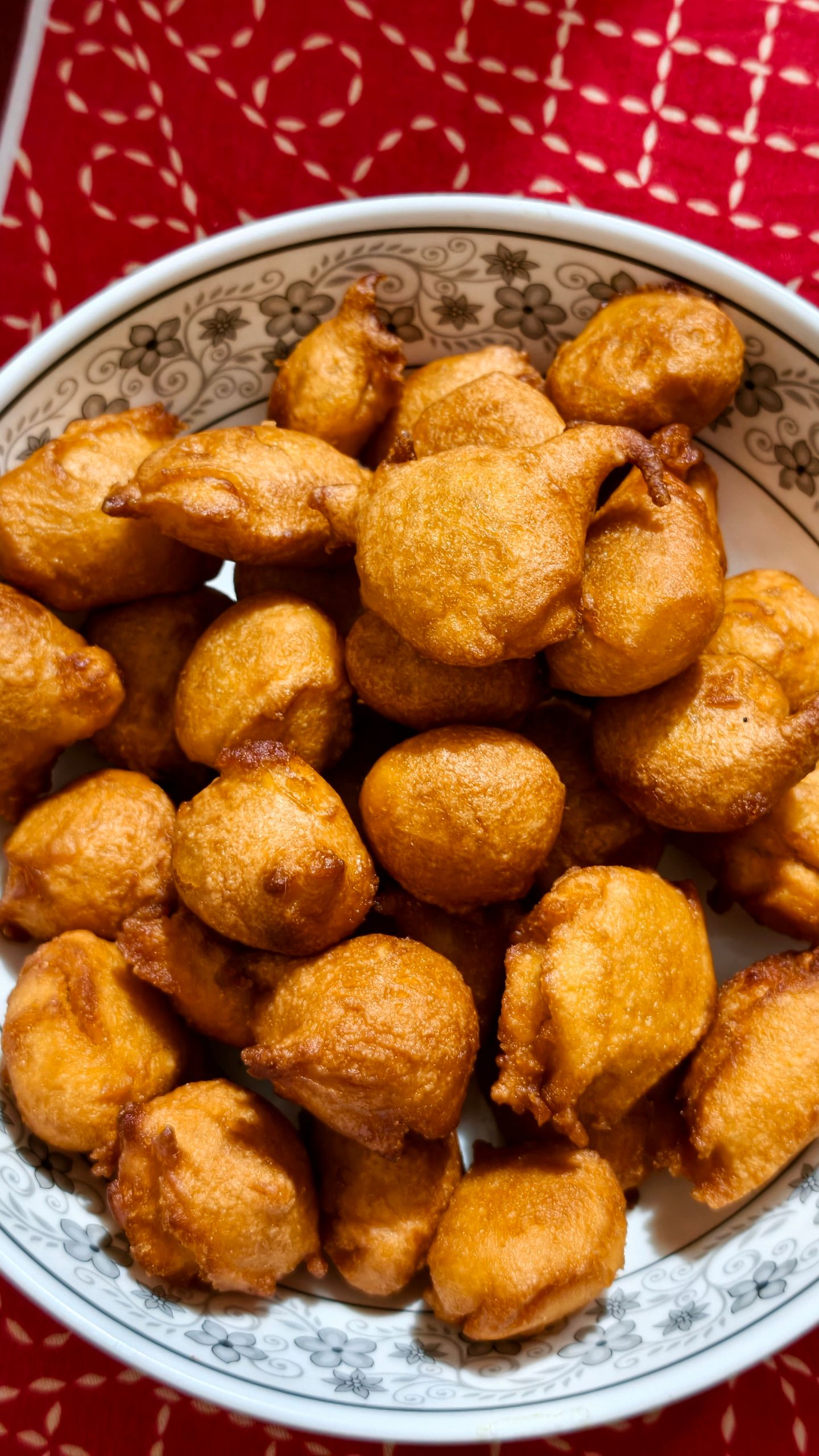
Akara is a popular Nigerian fritter made from peeled beans that are blended with peppers and onions before being fried.
The outside becomes crisp and golden, while the inside remains relatively soft and fluffy. Akara is commonly eaten for breakfast, often with pap, bread, or other accompaniments.
For American diners, akara may feel familiar, similar to hush puppies or other savory fritters, though its ingredients and preparation differ.
It is an especially interesting choice for anyone who enjoys crispy snacks and traditional street food.
Why Nigerian Food Is Attracting Attention in America
Nigerian cuisine offers American diners something increasingly available to explore: food that is culturally distinctive while still featuring many recognizable ingredients.
Restaurants are helping introduce these dishes through different dining formats. In August 2025, Washingtonian reported on Nigerian fast-casual brand Nuli’s plans for its first U.S. location in Washington, D.C., including a jollof rice bowl with fried plantains and moin-moin. The format offered diners a familiar way to experience Nigerian flavors.
Nigerian communities across the United States have also played an important role in preserving and sharing their food traditions through restaurants, catering businesses, cultural celebrations, and family gatherings.
However, no comprehensive national ranking establishes which Nigerian dishes Americans enjoy most. The foods featured here are recognizable examples available at Nigerian restaurants and through Nigerian food businesses in the United States.
Final Thoughts
From the smoky goodness of jollof rice to the sweet simplicity of puff-puff, Nigerian food offers American diners a remarkable range of flavors and experiences.
What makes these dishes special isn’t just their seasoning or appearance. Each connects to Nigerian households, celebrations, regional traditions, and the people who have kept these recipes alive.
For Americans looking to explore Nigerian cuisine, starting with jollof rice, suya, puff-puff, or meat pie is a delicious introduction before moving on to traditional soups and swallows.
Which Nigerian dish would you try first: jollof rice, suya, egusi soup, or puff-puff?