Bagged lettuce feels like one of those little grocery wins that make life easier. We grab it, toss it into a bowl, add dressing, and dinner suddenly looks healthier than a drive-thru meal. It looks clean, fresh, and ready for the table.
But ready-to-eat does not always mean risk-free. Bagged lettuce can pass through farms, water systems, harvesting tools, processing plants, trucks, store shelves, and home refrigerators before it reaches our fork. That long journey creates several quiet chances for germs to sneak in, especially because lettuce is usually eaten raw.
The bag can make us trust it too quickly.
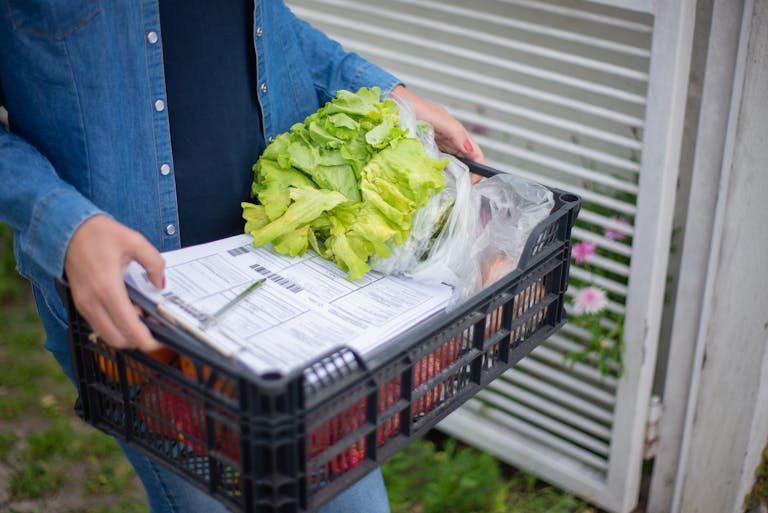
The biggest problem with bagged lettuce is the confidence it gives us. Words like prewashed, triple-washed, and ready to eat can make the product feel almost spotless. The package looks sealed, the greens look bright, and the whole thing feels safer than loose lettuce sitting in the produce aisle.
That confidence can be dangerous when we stop paying attention. Lettuce does not need to smell bad or look rotten to carry germs. Harmful bacteria can be invisible, which means a clean-looking salad can still come with a risk we cannot see, smell, or taste.
Lettuce grows close to the ground.
Lettuce begins its life in the field, and that matters more than many shoppers realize. It grows close to soil, water, insects, animals, dust, and farm equipment. That fresh outdoor environment helps create the crisp leaves we enjoy, but it also exposes the plant to contamination before it ever reaches a processing facility.
The risk can grow when irrigation water, nearby animal waste, or runoff touches the crop. If contaminated water reaches lettuce leaves, bacteria can cling to the surface. Once that happens, a quick rinse later may not solve the problem, especially when the lettuce will be eaten raw.
One bad leaf can affect many bags.
Bagged lettuce often comes from more than one field or farm. During processing, greens may be mixed, chopped, washed, dried, and packaged in large batches. This system helps companies move huge amounts of salad quickly, but it can also spread contamination farther than people expect.
That means one contaminated portion can touch other leaves during washing or mixing. By the time the greens are sealed into bags, the problem may have traveled across many packages. This is one reason bagged salad recalls can sometimes affect several stores, brands, or states.
Cutting lettuce creates more vulnerable surfaces.
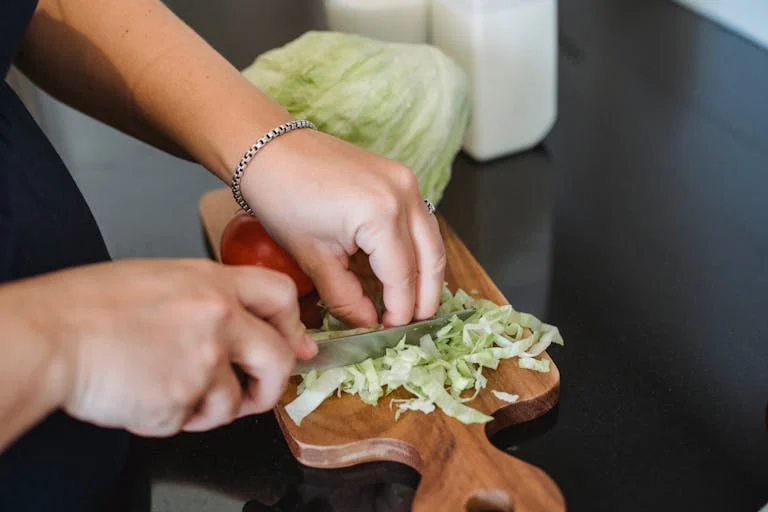
A whole head of lettuce has outer leaves that help protect the inside. Bagged lettuce, especially chopped salad mixes, has already been cut, handled, and exposed. Every cut edge creates more surface area where moisture and bacteria can settle.
That does not mean chopped lettuce is automatically unsafe. It means the product has gone through more steps before reaching your bowl. More steps mean more hands, more machines, more containers, and more chances for something to go wrong along the way.
Cold storage slows germs but does not erase them.
Bagged lettuce needs to stay cold from the processing plant to the grocery case to your refrigerator. Cold temperatures help slow the growth of bacteria, which is why salad bags sit in the refrigerated section. But cold storage does not magically kill every germ.
This is where everyday habits matter. Leaving bagged lettuce in a hot car, keeping it on the counter too long, or storing it in a refrigerator that is not cold enough can increase the risk. The safest move is to buy it near the end of your shopping trip, take it home quickly, and place it in the fridge right away.
Washing it again may not make it safer.

Many people think the answer is simple. If prewashed lettuce worries us, we can just wash it again at home. That sounds smart, but it can create another problem.
Your sink, faucet, hands, colander, or countertop may carry germs from raw meat, dirty dishes, or unwashed produce. Rewashing ready-to-eat lettuce can spread those germs onto the leaves. It may also fail to remove bacteria already stuck tightly to the lettuce surface, which means the extra rinse can give false comfort.
Wet or slimy bags are warning signs.
A bag of lettuce should look fresh, crisp, and dry enough inside the package. If the leaves look wet, slimy, brown, mushy, or heavily wilted, that bag should stay in the store. Extra moisture creates the kind of environment where spoilage moves faster.
The date on the package matters too. A bag close to its use-by date gives you less time to eat it safely. The better choice is a cold, fresh-looking bag with no pooled liquid, no torn packaging, no sour smell, and no limp leaves pressed against the plastic.
Whole lettuce gives us more control.
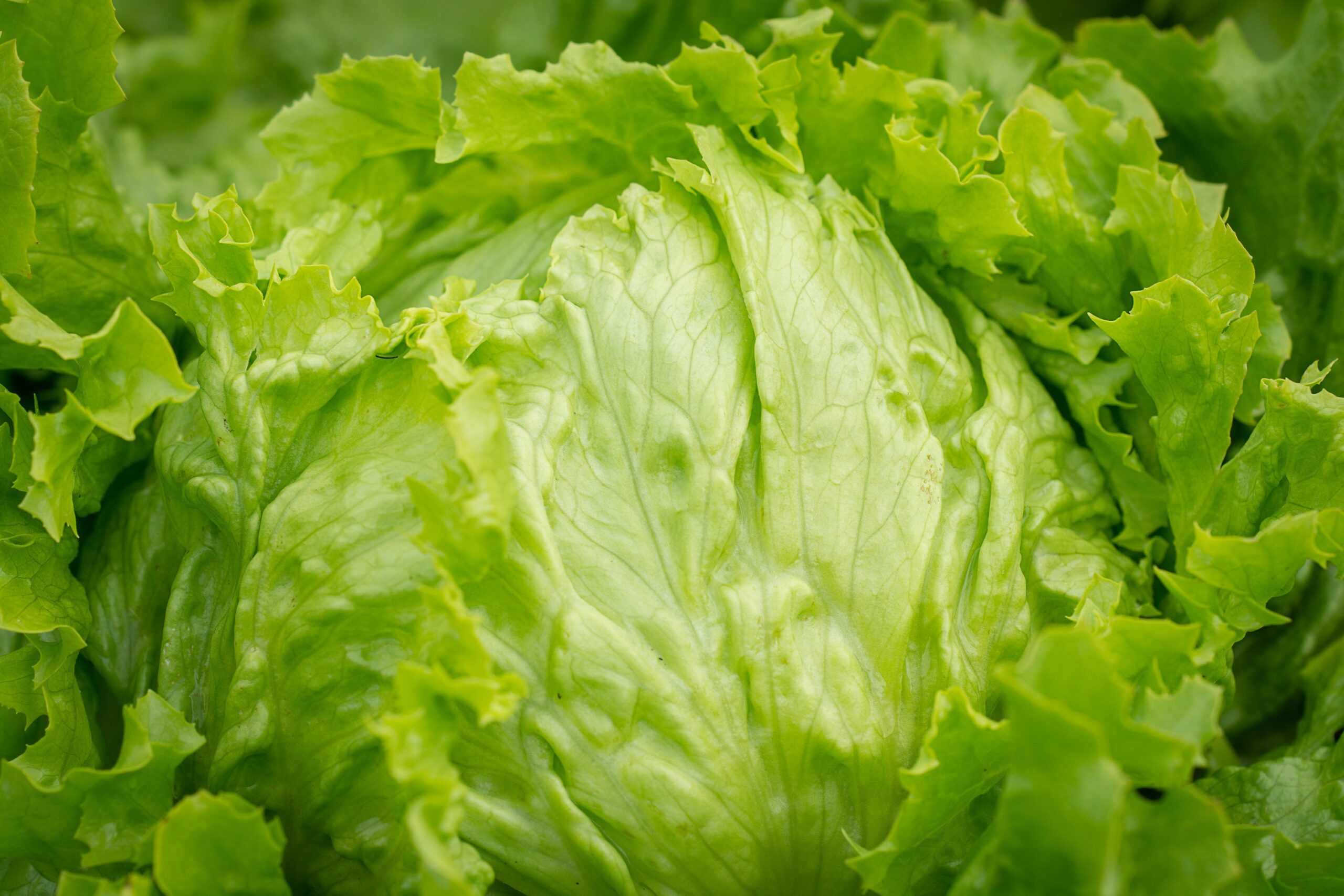
Whole heads of lettuce are not perfect, but they can give us more control in the kitchen. We can remove the outer leaves, rinse the inner leaves under running water, dry them well, and store them in a clean container. That extra step may feel annoying, but it reduces some of the handling that comes with pre-cut bagged greens.
Loose greens and whole lettuce also make it easier to inspect what we are eating. We can spot damaged leaves, discard questionable parts, and prepare only what we need. For people who eat salad often, this can be a smarter balance between freshness, safety, and cost.
How to buy bagged lettuce with less risk
Bagged lettuce does not need to disappear from every kitchen. It simply deserves more caution than it usually gets. Choose bags from a cold, clean refrigerated case, avoid damaged packages, check dates, and skip anything that looks wet or tired.
At home, keep the bag sealed until you need it. Use clean hands and clean bowls. Eat it soon after opening, and do not let it sit around for days just because the package still looks mostly full.
Final takeaway
Bagged lettuce is convenient, but convenience can make us careless. The risk is not only inside the bag. It can begin in the field, grow during processing, rise during transport, and increase again through poor storage at home.
The smarter move is not fear. It is attention. If we treat bagged lettuce like a fresh food that needs careful handling, we can still enjoy quick salads without pretending the plastic bag is a shield against every hidden danger.