Sandwich night does not need a dramatic entrance. Sometimes, the best plan is a pot of tender pork, a bottle of barbecue sauce, and enough buns to handle the situation. Slow-cooker pulled pork delivers that kind of dinner: a little preparation up front, a long stretch of mostly hands-off cooking and a final round of shredding before serving. Christine Pittman’s version at COOKtheSTORY makes eight servings from a foeless pork shoulder, with barbecue sauce and condiments added at the table.
The important word here is “almost.” This is not a last-minute rescue recipe, and the slow cooker cannot turn an afternoon start into an early dinner by sheer optimism. Pittman’s method includes an overnight seasoning step followed by eight to 10 hours on low, although the listed active preparation takes just 10 minutes. “This slow cooker pulled pork recipe requires a little planning, but the results are so worth it!” she writes. The convenience comes from doing relatively little during those hours, not from making them disappear.
Start With the Right Pork, Then Let Time Do Its Job
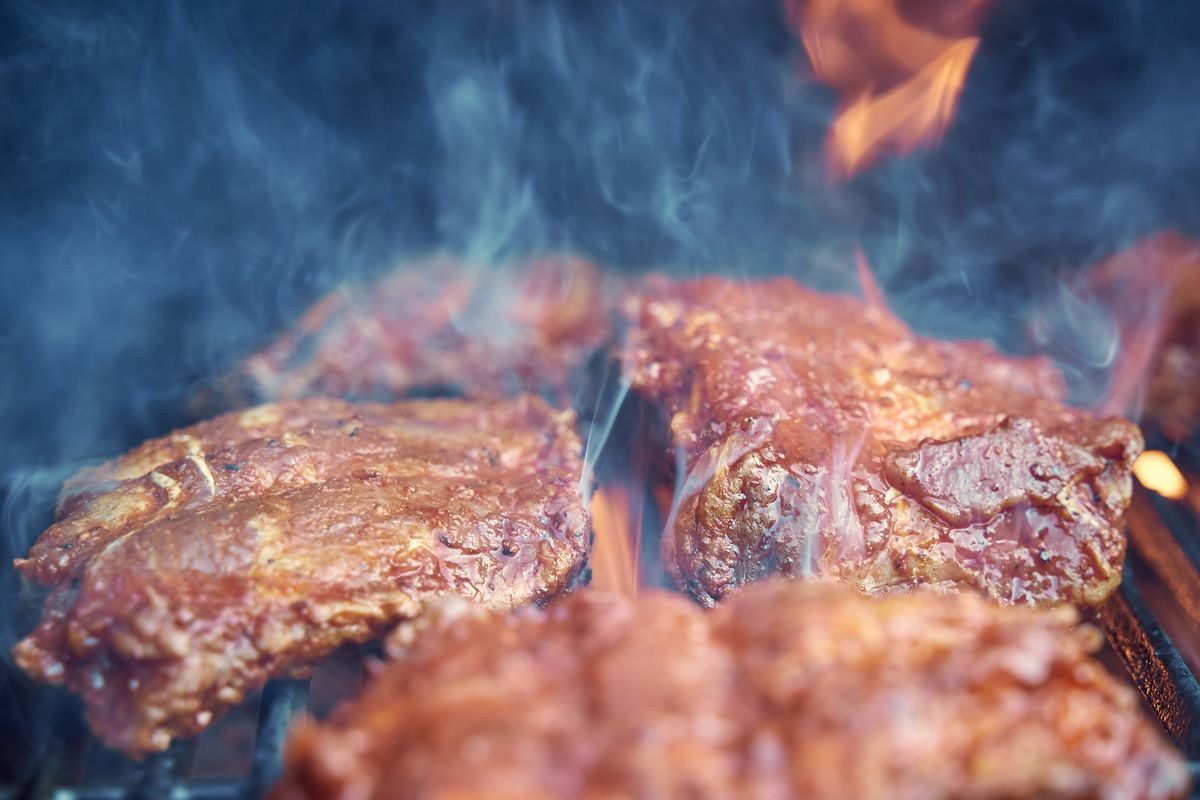
Pittman recommends boneless pork shoulder, particularly the Boston butt cut, for this recipe. Despite its name, Boston butt comes from the shoulder area, and its well-distributed fat makes it suitable for tender pulled pork. A boneless, skinless picnic shoulder is another option she identifies, but excess exterior fat should be trimmed. Choosing the cut specified in the recipe keeps the shopping straightforward and avoids treating every pork roast as though it will behave identically in the cooker.
The first step happens the night before. For a four-pound roast, Pittman rubs two tablespoons of kosher salt and two teaspoons of freshly ground black pepper over all sides of the meat. Wrap the seasoned pork tightly and refrigerate it for eight hours or overnight. She identifies this dry-brining step as central to her recipe’s flavor, so it belongs in the schedule rather than being treated as an invisible extra behind a “10-minute prep” promise.
There is also a distinction between barbecue-flavored pulled pork and meat cooked in a smoker. AmazingRibs.com’s slow-cooker recipe discussion acknowledges that this appliance gives up two defining features of traditional smoked pulled pork: smoke and a well-developed exterior bark. That does not make the sandwich a consolation prize; it makes it a different cooking method with different strengths. Here, the goal is tender, seasoned meat finished with barbecue sauce not a claim that a countertop appliance duplicates a smoker.
Build the Flavor Before You Put the Lid On
Pittman’s cooking liquid starts with three-quarters of a cup of water or chicken broth, three tablespoons of tomato paste, two tablespoons of brown sugar and one tablespoon of apple cider vinegar. The recipe also lists one teaspoon each of paprika, garlic powder, onion powder, ground mustard, cumin and chili powder. Four peeled, smashed garlic cloves and a medium onion cut into one-inch wedges complete the flavoring ingredients. This pantry-friendly combination still needs measured ingredients, not a random splash of everything in the cupboard.
Mix the liquid ingredients and seasonings in a six-quart slow cooker, then add the unwrapped pork and any juices collected during its refrigerated rest. Scatter the garlic and onion around the roast, cover and cook on low for eight to 10 hours. Pittman’s recipe doesn’t require browning the meat in a skillet first, so you don’t need another pan. The finished pork should be tender enough to pull apart with a fork; the clock gives you a window, but the texture tells you when it is ready to shred.
Start with thawed meat, not a frozen roast dropped into the crock. The USDA’s Food Safety and Inspection Service states, “Always thaw meat or poultry before putting it into a slow cooker.” The agency also advises keeping the lid in place, removing it only to stir or check doneness. In other words, let the appliance work instead of repeatedly opening it to see whether dinner has become dinner yet.
Once the pork is tender, transfer it to a large bowl and shred it with two forks. Pittman then removes the solids from the cooking liquid with a slotted spoon and pours two cups of that liquid over the shredded meat. Any remaining liquid can be saved to moisten leftovers. This measured finishing step returns some of the meat’s cooking juices without requiring you to serve every drop that accumulated in the pot.
Related: What Happens When Texas Barbecue Meets Thai Food? This New Restaurant Is Finding Out
Finish the Sandwiches Without Turning Dinner Into Another Project
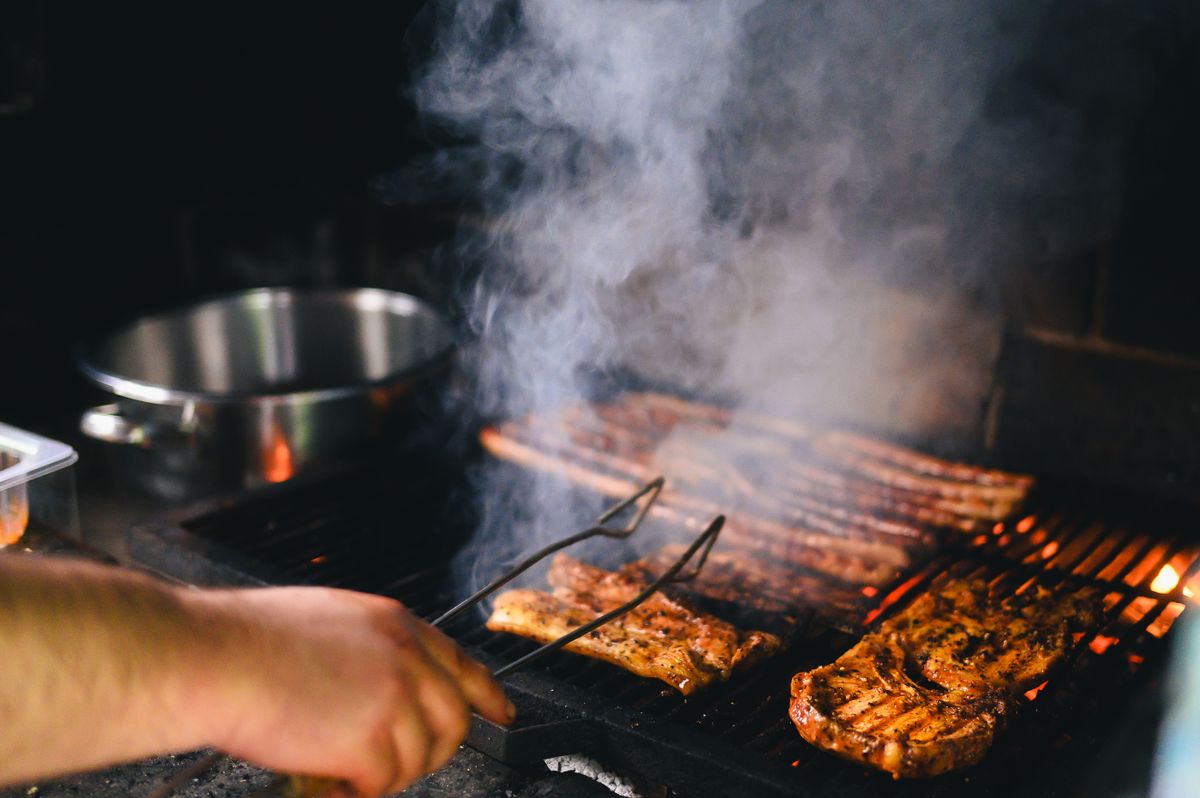
For sandwich night, Pittman recommends grilled buns, barbecue sauce and coleslaw. The pork is seasoned during cooking, but the barbecue sauce comes into play when serving, leaving room to choose the sauce you enjoy rather than committing the entire roast to one bottled flavor at the beginning. Set out the components and build the sandwiches as you eat. The real payoff is that the main cooking job is already finished before anyone starts assembling dinner.
Eight servings also open up options beyond the first round of buns. Pittman suggests serving the pork on warm tortillas with cilantro and salsa, or using barbecue sauce for pork tacos. Those are useful alternatives if another sandwich does not sound appealing the next day. You have cooked a batch of seasoned meat, not signed a contract to eat the same assembled meal repeatedly.
Handle those leftovers promptly rather than leaving the crock on the counter overnight. USDA guidance calls for refrigerating cooked food in shallow, covered containers within two hours, and using refrigerated leftovers within three to four days or freezing them for longer storage. Reheat the pork on the stove, in the microwave or in the oven to 165°F; the agency does not recommend reheating leftovers in a slow cooker. With that final bit of planning, tonight’s low-effort sandwich filling can become another meal without another all-day cooking session.
Other Posts You Might Like
- The 10 Best Skylines in the United States
- 10 Hidden Gem Cities in America You’ve Probably Overlooked
- Top 13 Tourist Attractions in the United States You Must Visit