Most restaurant disagreements start with something small. A complaint about a meal, a request for a change, or a misunderstanding with staff usually does not mean someone will be shown the door.
But there is a line between being an unhappy customer and creating a situation where a restaurant decides it is time to end the visit.
Restaurants have the right to protect their staff, other guests, and their business from behavior that becomes disruptive, unsafe, or unfair.
These situations are not about a person’s identity or background. They are about actions and conduct. Here are 10 behaviors that can quickly turn a normal meal into a conversation with management.
Being Extremely Rude to Restaurant Staff
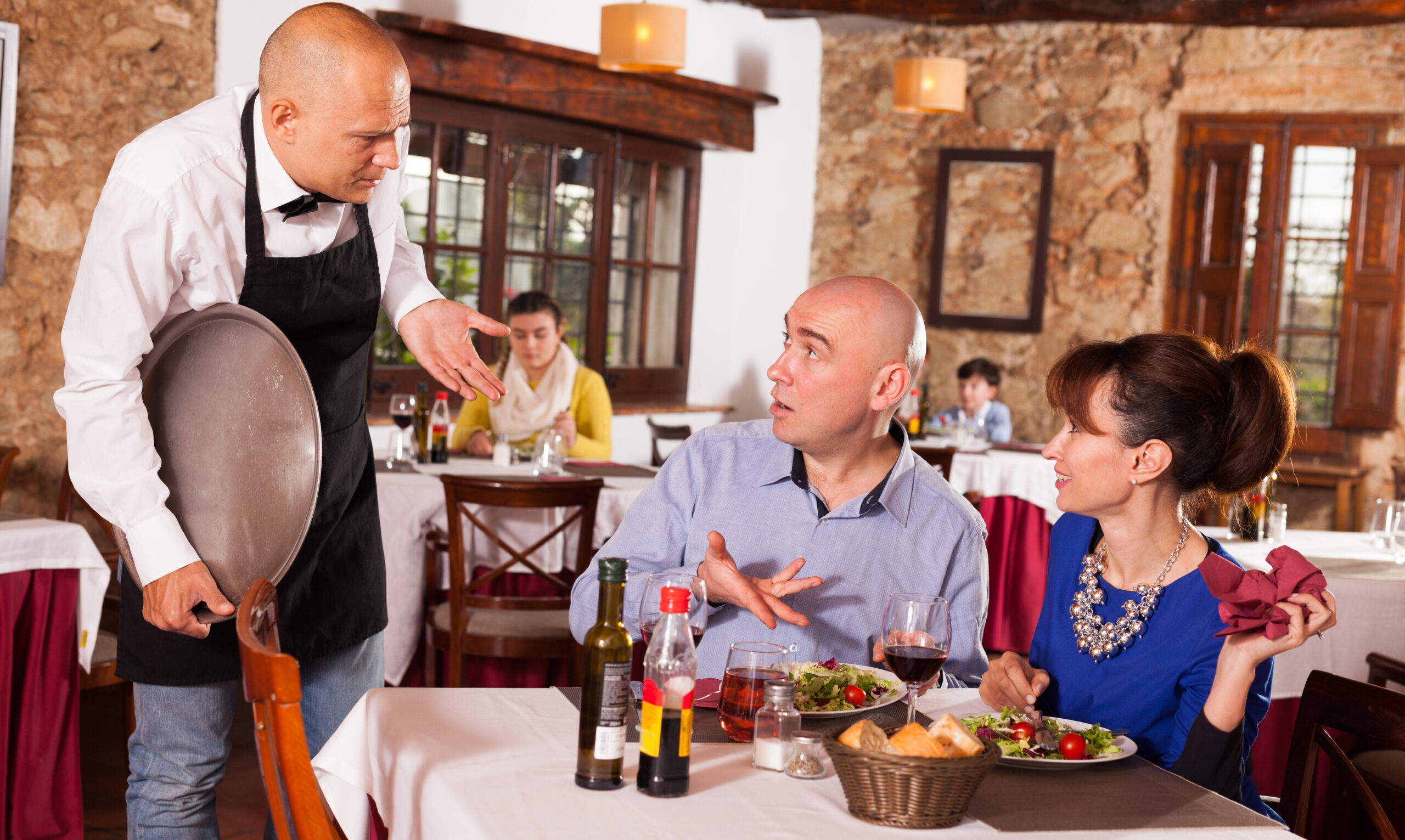
Insulting, threatening, or repeatedly disrespecting employees is one of the fastest ways to damage a restaurant experience. Servers, hosts, bussers, and kitchen staff deal with complaints every day, but raising a concern is different from personally attacking someone.
A restaurant can choose to end service when a guest’s behavior becomes abusive or starts affecting the workplace.
Asking about an order mistake is reasonable; yelling, personal insults, or creating a hostile situation is a different matter.
The best approach is simple: explain the problem clearly and give staff a chance to fix it. Most restaurant issues can be handled without turning a meal into a confrontation.
Treating Other Guests Differently Because of Who They Are
Discriminatory comments or behavior toward staff or other diners can lead to immediate action from restaurant management.
Racist, sexist, homophobic, ableist, or other targeted conduct can create an environment where employees or customers no longer feel comfortable.
Restaurants can remove guests for their actions, not for who they are. Civil rights protections prevent businesses from refusing service based on protected characteristics, but they do not require a restaurant to tolerate a customer’s discriminatory behavior.
A disagreement about food or service is one thing. Attacking another person because of their identity crosses a completely different line.
Taking Restaurant Property Home Without Permission
Walking away with restaurant items that aren’t yours can turn a casual visit into a serious problem. Glasses, silverware, decorations, menus, and other property are provided for use inside the restaurant, not as souvenirs.
Accidentally leaving with a spoon or forgetting an item is very different from intentionally taking something. The issue comes down to intent and whether the customer tries to correct the situation.
Restaurants may remove guests or ban repeat offenders who deliberately take property. A memorable dinner does not need a souvenir from the table.
Becoming Drunk and Disruptive
Having a few drinks is not the same as causing problems. Restaurants generally focus on behavior, not simply how many drinks someone has consumed.
The situation changes when a guest becomes loud, aggressive, unsteady, harasses others, or refuses to calm down.
Restaurants and bars may stop serving someone who is visibly intoxicated and causing issues. Removing a disruptive guest helps protect employees and other customers.
Enjoying a night out is part of dining culture, but knowing when your behavior is affecting everyone around you matters.
Creating a Scene in the Dining Room
Yelling, threatening people, blocking walkways, or disturbing other tables can quickly lead to removal. A restaurant is a shared space, and one guest’s behavior can affect an entire room.
A lively celebration or excited conversation is not automatically a problem. The concern is when behavior becomes intimidating, disruptive, or prevents staff from doing their jobs.
If a disagreement happens, lowering the volume and speaking with a manager calmly is usually far more effective than turning it into a public argument.
Leaving Without Paying for Your Meal
Dining and dashing, or leaving without settling the bill, is one of the clearest reasons a restaurant may involve management or authorities. Customers are expected to pay for the food and services they receive.
A genuine payment problem differs from intentionally walking away from a check. If there is an issue with a bill, the best option is to explain it and work toward a solution before leaving.
A mistake on a receipt can be corrected. Leaving without addressing the problem creates a much bigger issue.
Related: 7 Things You Say at a Restaurant That Make Servers Worry About Their Tip
Ignoring a Restaurant’s Dress Code
Showing up in clothing that violates a restaurant’s stated dress rules can get you asked to leave. Some establishments require shirts and shoes, while others have more relaxed expectations.
Dress codes vary widely by restaurant type. What works at a beach café may not fit a formal dining room’s expectations.
The important point is consistency. A restaurant’s rules should be applied fairly and should not be used as an excuse for discrimination.
Letting Children Disrupt the Entire Restaurant
Children being children is normal, but allowing ongoing disruption can become a problem. Restaurants understand that families dine out, and occasional spills, noise, or restless moments are part of everyday service.
The issue arises when parents allow children to run between tables, climb on furniture, disturb other guests, or create safety concerns for employees carrying food and drinks.
Children aren’t the problem. Lack of supervision that affects other diners and staff is what can create tension.
Bringing Outside Food Without Permission
Bringing outside meals, drinks, or other food items into a restaurant can create problems for the business. Restaurants rely on selling their own menu items, and outside food may also conflict with their policies.
Some places make exceptions, such as allowing a pre-approved celebration cake or specific items for special circumstances. The key is asking before arriving with outside food.
A quick question ahead of time can prevent an uncomfortable conversation at the table.
Bringing a Pet That the Restaurant Does Not Allow
Walking into a restaurant with an unapproved pet can create problems, especially if the animal disturbs other guests or ignores the restaurant’s rules.
Pet policies vary by restaurant, location, and local requirements. Some outdoor areas welcome dogs, while other establishments do not allow pets.
Disability access laws treat service animals differently. The important distinction is between an approved service animal and a regular pet that a restaurant has not allowed.
A Good Restaurant Experience Goes Both Ways
Restaurants want customers to enjoy their meals, and customers want good service. Most disagreements can be solved with patience and communication.
The situations that lead to removal usually happen when behavior crosses from a simple complaint into something that affects staff, other guests, or the restaurant itself.