The next big voting-rights battle may not start at a polling place. It may start inside a government database.
President Donald Trump’s March 31, 2026, executive order directs federal agencies to help verify voter eligibility, including creating state-by-state citizenship lists for federal elections. The White House frames the order as an election-integrity measure, but voting-rights groups, Democratic officials, and legal experts argue it could wrongly block eligible Americans from voting.
That is why this fight matters. America already bans noncitizens from voting in federal elections. The real question is whether a federal citizenship-screening system would catch fraud or create a new paperwork trap for lawful voters who do not fit neatly into government records.
The Citizenship List Plan Could Reshape Voter Registration
Trump’s order directs the Department of Homeland Security, working with the Social Security Administration, to create “State Citizenship Lists” of people confirmed as U.S. citizens, over 18, and living in each state. Supporters see that as a cleaner way to protect elections. Critics see a dangerous federal takeover of voter eligibility checks, which have traditionally been run by states.
The problem is accuracy. No single perfect federal citizenship database exists for every eligible voter. Naturalized citizens, married voters who changed names, older Americans with outdated records, rural voters, and people without passports could face mismatches. A system built to catch rare illegal votes could end up flagging real voters instead.
Noncitizen Voting Is Already Illegal in Federal Elections
Federal law already bars noncitizens from voting in federal elections. That means the political fight is not over whether noncitizens should vote for president or Congress. They cannot. The fight is over how far the federal government can go to police voter rolls before the cure becomes more harmful than the problem.
Voting-fraud claims often sound huge in campaign speeches, but documented noncitizen voting remains rare. The Brennan Center has long found voter impersonation fraud rates to be extremely small, and courts have repeatedly demanded evidence before accepting sweeping fraud claims.
Mail-In Voting Is Also in the Crosshairs
The executive order does not stop at citizenship lists. It also pushes tighter controls around mail-in ballots, including a role for the U.S. Postal Service in determining whether certain mail ballots should move through the system. Voting-rights experts have warned that asking the Postal Service to screen ballot eligibility could create confusion and delays in a system already built for delivery, not election judging.
That matters because mail voting is not some fringe method. Millions of Americans use it, including older voters, disabled voters, military families, rural voters, shift workers, caregivers, and people who cannot easily stand in long lines. A small procedural change can become a big voting barrier when ballots are delayed, rejected, or never delivered.
Courts Have Already Pushed Back

Several parts of Trump’s broader election agenda have faced legal challenges. Courts have blocked key provisions of earlier election orders, with judges emphasizing that the Constitution gives election-regulation power mainly to states and Congress, not the president acting alone.
That legal issue may define the fight. Even people who support stronger election checks may have to ask whether the president can rewrite national voting procedures by executive order. If courts allow that, future presidents from either party could try the same thing.
The SAVE Act Is the Legislative Version of the Same Fight
Trump has also backed the SAVE Act, a Republican-supported proposal that would require documentary proof of citizenship for voter registration. Supporters say it protects elections. Opponents say it could block millions of eligible voters who do not have easy access to documents matching their current name, address, or citizenship status.
This is where the debate becomes practical. A passport works for some voters, but many Americans do not have one. Birth certificates may not match married names. Naturalized citizens do not have U.S. birth certificates. Poor, elderly, young, and frequently moving voters may struggle most with extra documentation demands.
The Biggest Risk Is Eligible Voters Getting Caught in the Net
The danger of voter-roll purges is rarely dramatic at first. A voter shows up and finds their name missing. A mail ballot gets rejected. A registration form gets delayed. A citizen has to prove citizenship again because two databases disagree.
That is why voting-rights groups are alarmed. Election systems need security, but they also need access. A database that is incomplete, outdated, or mismatched can punish voters who did nothing wrong. In a close election, even small administrative errors can have large political consequences.
This Fight Is Really About Who Controls Elections
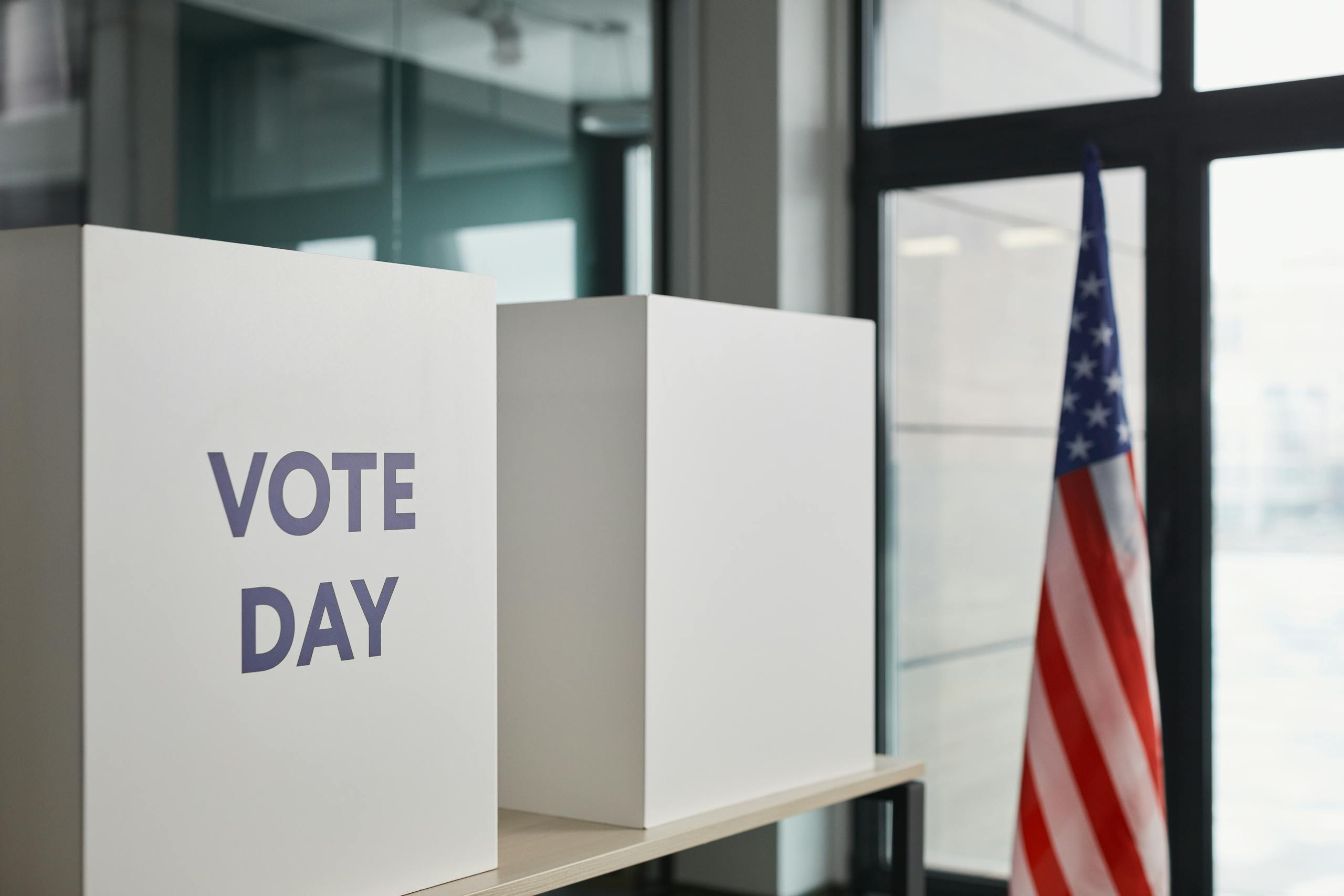
The deeper issue is power. States traditionally run elections, Congress sets federal election laws, and courts settle disputes. Trump’s order tests how much authority the executive branch can claim over voter eligibility, mail voting, federal databases, and state election systems. The Bipartisan Policy Center noted that lasting changes to federal election law must come from Congress, not the Oval Office.
That makes this more than another partisan argument. It is a constitutional fight over who gets to write the rules before Americans vote.
Key Takeaway
Trump’s citizenship-list order is being sold as an election-security measure, but its real impact could reach far beyond fraud prevention. It could change how voters register, how mail ballots move, how states manage rolls, and how much power the president has over elections.
The central question is simple: can the government protect elections without making lawful voters prove themselves again and again? That answer may shape the 2026 midterms, and possibly the future of voting rights in America.