America does not always look angry in dramatic ways. Sometimes it looks like a driver leaning on the horn before the light even turns green. Sometimes it looks like a cashier being blamed for prices they didn’t set. Sometimes it looks like someone firing off a cruel comment online, then making dinner as if they hadn’t just ruined a stranger’s day.
People are tired. They are squeezed by bills, traffic, bad news, customer service robots, workplace pressure, political fights, and a world that keeps asking them to stay calm while everything feels expensive, loud, and unstable. Most Americans are not naturally mean. Many are overwhelmed. But when stress becomes the weather everyone lives under, small acts of cruelty start to feel normal.
Everyone Is Running on Financial Pressure

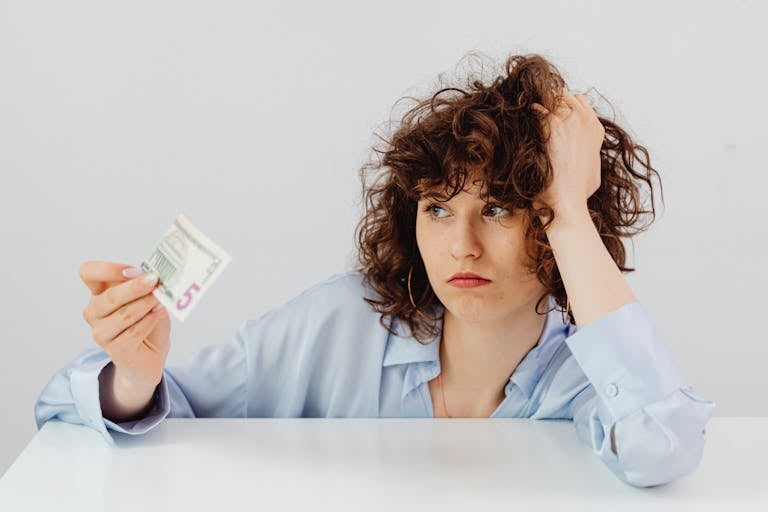
Money stress has a way of shortening people’s patience. A grocery bill that looks wrong, a rent increase, a surprise car repair, or one medical charge can put someone in a bad mood before the day has even started. When people feel they are working hard but still falling behind, kindness can start to feel like a luxury they cannot afford.
That pressure spills into ordinary places. The grocery store. The gas station. The pharmacy counter. The drive-thru window. People snap because they are not really mad about the receipt, the wait, or the person in front of them. They are mad that life feels harder than it should, especially when 37% of adults could not cover a $400 emergency completely with cash or its equivalent.
Traffic Turns Normal People Into Monsters
Nothing reveals the American temper faster than traffic. A person can leave home perfectly calm, coffee in the cupholder, playlist ready, and good intentions intact. Then someone cuts them off, another driver refuses to merge, and suddenly they are gripping the wheel as if defending civilization itself.
Traffic creates a strange kind of anonymous anger. People forget that every car has a human inside it. A tired nurse. A nervous teenager. A father is late for pickup. A delivery driver is trying to finish a shift. Instead, everyone becomes “that idiot.” The road turns people into enemies before they ever speak.
Social Media Rewards the Cruelest Version of People
Online, the meanest comment often gets the most attention. A thoughtful response may sit there quietly, but a sharp insult travels fast. People learn that outrage gets likes, sarcasm gets shares, and cruelty can feel like entertainment when the target is far away.
This changes how people talk. They become quicker to mock, quicker to judge, and slower to imagine the person behind the screen. The internet makes it easy to forget that a stranger can still bleed emotionally, and 41% of Americans have personally experienced some form of online harassment. When people practice cruelty online every day, some of that tone follows them back into real life.
Customer Service Has Become a National Battleground

Many Americans are exhausted by long hold times, confusing apps, hidden fees, broken systems, and companies that make it nearly impossible to reach a real person. By the time they finally speak to a cashier, server, receptionist, or call center worker, their frustration is already boiling.
The unfair part is that frontline workers usually have the least power. They did not write the policy. They did not raise the price. They did not design the broken website. But they become the face of the problem. Modern customer service has turned ordinary workers into emotional punching bags, and too many people treat them like obstacles instead of humans.
Politics Has Made Every Conversation Feel Dangerous
There was a time when family arguments stayed mostly within the family. Now, a casual comment about schools, gas prices, church, sports, movies, or groceries can slide into politics before anyone finishes their plate. People are tired of being on guard, but they also cannot seem to stop testing each other.
That tension makes Americans colder. Friends avoid certain topics. Relatives stop calling. Coworkers speak carefully. Neighbors wave less. People begin sorting others into teams before they even know them. Once someone is labeled as “one of them,” empathy disappears quickly, especially when 77% of adults called the nation’s future a significant source of stress.
Work Burnout Is Killing Basic Courtesy
A burned-out person may not mean to be rude, but exhaustion has a way of stealing softness. When someone is overworked, underpaid, micromanaged, or constantly reachable by email, their patience gets thin. They may answer sharply, ignore messages, rush conversations, or treat every request like an attack.
Modern work culture often praises productivity while quietly draining people’s humanity. Employees are expected to be cheerful, responsive, flexible, and professional even when they are running on fumes. Eventually, that pressure leaks out. It shows up in short replies, cold meetings, and the kind of office tension everyone feels but nobody names.
People Are Lonelier Than They Admit
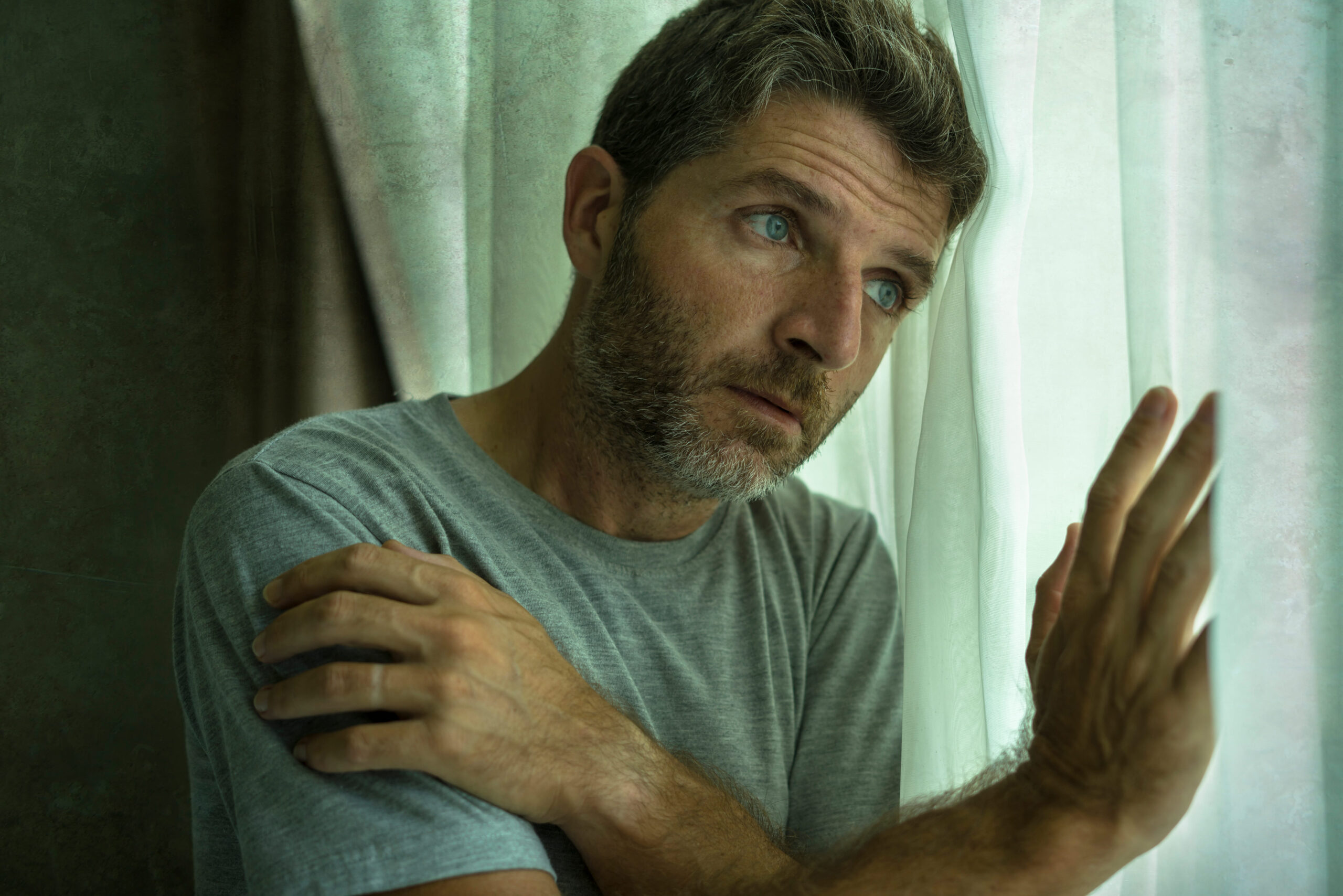
Loneliness does not always look sad. Sometimes it looks irritated. Defensive. Sarcastic. Cold. A person who feels unseen for too long may start acting as if they do not need anyone. They may push people away before anyone gets close enough to disappoint them.
Modern America is full of people surrounded by notifications but starved for real connection. They may have followers, coworkers, neighbors, and group chats, but still feel emotionally alone. In 2024, 21% of adults reported feeling lonely, with many feeling disconnected from friends, family, or the world. That loneliness can make people harder, because when the heart feels neglected, the personality often grows armor.
Bad News Never Gives People a Break
Americans wake up to alerts, disasters, crime stories, political chaos, layoffs, wars, scandals, weather emergencies, and arguments from people they do not even know. The news cycle does not stop to ask if anyone has had breakfast. It just keeps pouring fear into the day.
Constant bad news can make people tense without them realizing why. They become suspicious. They expect the worst. They lose faith in strangers. When the world feels dangerous all the time, people start protecting themselves emotionally. Unfortunately, that protection can look like meanness to everyone around them.
Convenience Has Made People Less Patient
Modern life has trained people to expect everything fast. Food should arrive fast. Packages should arrive fast. Replies should come fast. Apps should load fast. Lines should move fast. Even a two-minute delay can feel personal when people are used to instant results.
The problem is that real humans do not work like apps. A server may be handling too many tables. A cashier may be new. A driver may be lost. A friend may need time to answer. Convenience has made life easier in some ways, but it has also weakened patience. When people expect the world to move at phone speed, ordinary delays start feeling like disrespect.
Everyone Feels Like They Are Competing for Something
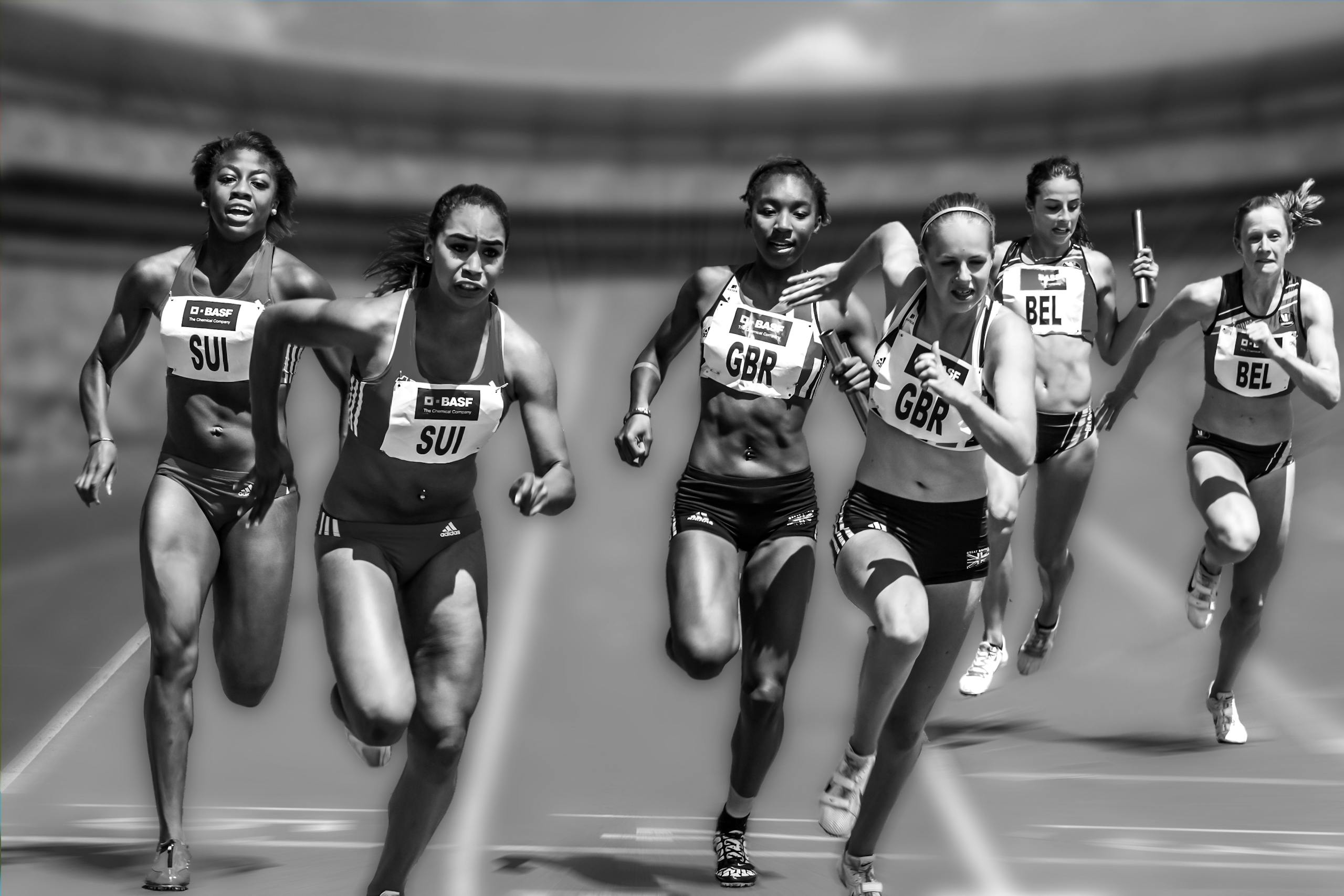
American life often feels like a race where nobody knows the finish line. People compete for jobs, homes, attention, status, safety, money, beauty, success, and even peace. Social media makes it worse because everyone can see someone else appear to be winning.
That constant comparison can make people resentful. Instead of feeling happy for others, they feel behind. Instead of seeing a neighbor’s success as inspiring, they see it as proof that they are losing.
A competitive culture can quietly poison kindness, and heavy social comparison is closely tied to lower well-being, as social comparison links show. When people feel like life is a scoreboard, other people stop looking like humans and start looking like threats.
Conclusion
Modern American life is making people meaner in small, quiet ways. Not because everyone has suddenly become cruel, but because too many people are stressed, lonely, rushed, overstimulated, politically exhausted, and financially squeezed. The meanness shows up in traffic, comments, customer service lines, family dinners, office emails, and the way strangers treat each other in public.
The sad part is that most people are carrying something. A bill they cannot pay. A relationship falling apart. A job that drains them. A diagnosis they have not shared. A loneliness they hide behind jokes. That does not excuse bad behavior, but it explains why the country feels so tense.
Maybe the most rebellious thing Americans can do now is become softer on purpose. Let someone merge. Thank the cashier. Pause before posting the cruel comment. Call a friend instead of just liking their photo. Give people a little grace before assuming the worst. A kinder country will not appear by accident. It has to be practiced, one ordinary moment at a time.