Dating used to have a rhythm. People met, flirted, went out, had uncomfortable conversations, and eventually decided what they were building. Now, for many Gen Z singles, romance feels less like a path and more like a waiting room with no one calling your name.
They are texting every day, but not officially. They are sharing locations but not labels. They are sleeping over, meeting friends, acting attached, and still pretending nobody owes anybody clarity.
That is the strange power of the situationship. It gives people the feeling of closeness without the responsibility of commitment. It offers affection without promises, intimacy without direction, and attention without the risk of being fully chosen.
But the question is no longer whether situationships exist. They are everywhere. The real question is why so many young people are accepting emotional confusion as the new normal.
The relationship that refuses to introduce itself
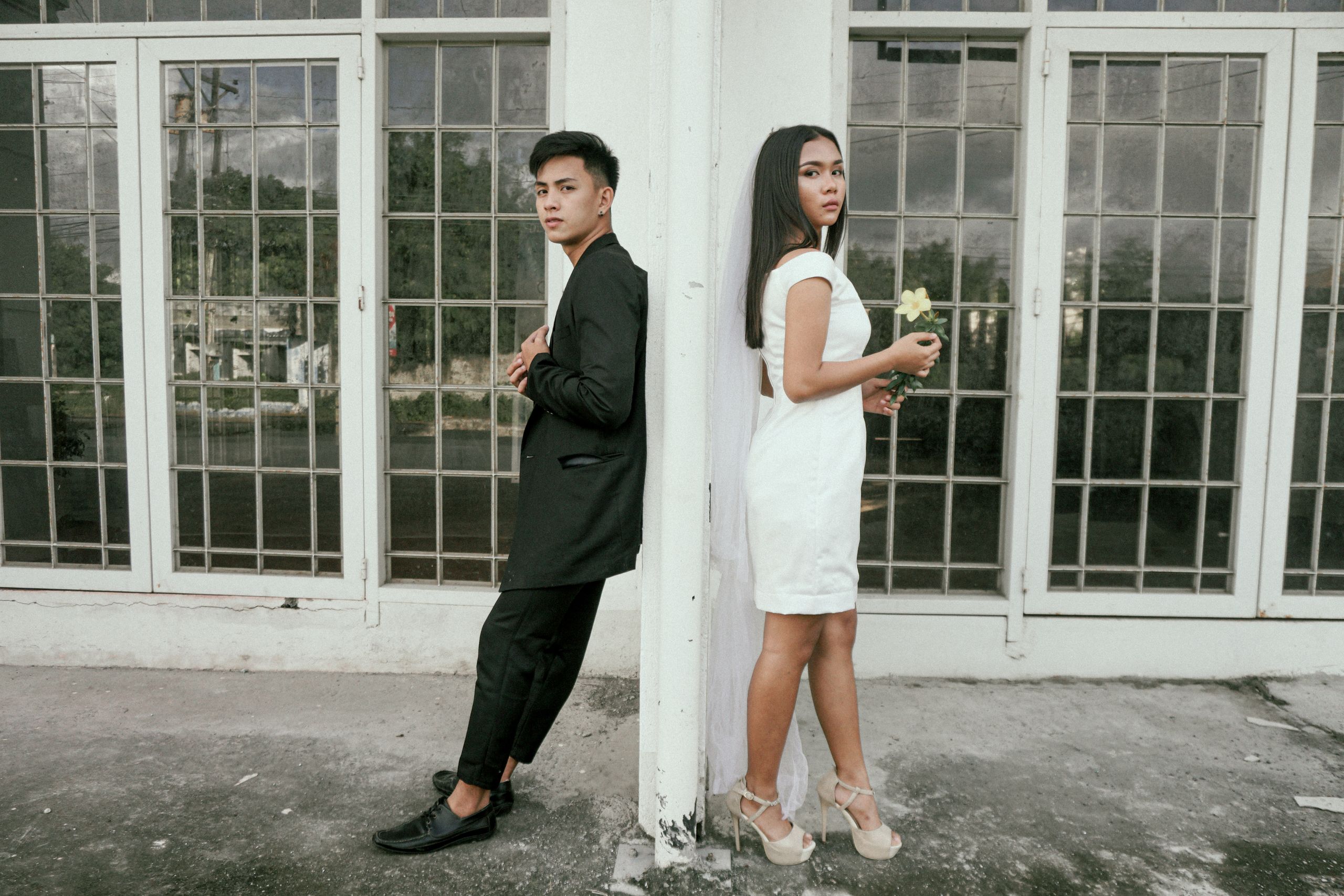
A situationship is the modern, almost-relationship. It is more than friendship but less than commitment. It has romance, jealousy, emotional dependency, late-night calls, private jokes, and sometimes even loyalty, but it avoids the one thing that would make it real: a clear definition.
That is what makes it so addictive. It feels casual when people want freedom, but intense when they want comfort. It allows someone to enjoy the benefits of a relationship while keeping an escape door open.
For Gen Z, that door often feels necessary. This generation grew up watching relationships collapse in public, online, and sometimes at home. They saw breakups turn into content, private pain become screenshots, and love become another thing people perform for an audience.
So instead of saying, “I want you,” many say, “Let’s just see where this goes.” The problem is that sometimes it goes nowhere for months.
Gen Z does not hate love. It distrusts the process.
The easy accusation is that Gen Z is afraid of commitment. That sounds neat, but it is too simple. Many young people still want love. They want loyalty, emotional safety, consistency, and someone who does not disappear after one awkward conversation.
What they hate is the modern dating process. They hate the endless talking stage. They hate decoding tone in text messages. They hate being vulnerable with someone who may still be entertaining five other people on the same app.
Dating has become emotionally expensive. Every new connection demands energy, personality, humor, appearance, availability, and just enough mystery to stay interesting. It is no surprise that some people would rather hide inside ambiguity than risk another clean rejection.
A situationship feels safer because nobody has to admit they care first. Nobody has to ask the terrifying question: “What are we?”
Dating apps made options feel endless, and people feel replaceable.
Dating apps promised connection. In many cases, they delivered choice instead. A person can now swipe through hundreds of faces in one night and still feel lonelier than before.
That endless choice changes the way people value each other. If one conversation gets uncomfortable, another match is waiting. If one person asks for clarity, another person may seem easier to ask. If one connection starts becoming serious, the app quietly whispers that there may be someone better one swipe away.
This is how dating becomes a marketplace. People are no longer just meeting each other. They are comparing each other. They are measuring spark, looks, humor, lifestyle, ambition, and availability before a real bond even has time to breathe.
Situationships thrive in that environment because they do not require a final decision. They allow people to keep someone close while still acting like they are shopping around.
Social media turned romance into surveillance.

Gen Z is not just dating people. They are dating digital versions of people. A crush is judged not only by how they act in person but also by who they follow, what they post, whose pictures they like, and why they watched a story without replying.
This creates a quiet paranoia inside modern romance. Someone can feel rejected before a conversation even happens. One delayed response can become evidence. One public comment can become a crisis. One repost can change the mood of an entire situationship.
The result is a dating culture where people know too much and communicate too little. They can track someone’s online activity while being too afraid to ask where they stand.
That tension makes situationships feel even more confusing. People may act detached in person while monitoring each other like detectives online.
The talking stage became a relationship with no benefits package.
The talking stage was supposed to be temporary. It was meant to be the soft beginning before people decided whether to date. Now, it has become its own category of emotional labor.
People can spend weeks or months texting, flirting, sharing secrets, making plans, and building attachment without ever becoming official. It looks like a relationship from the outside, but inside, it has no rules.
That means nobody knows what counts as betrayal. Is it wrong to talk to someone else? Is it too much to ask for consistency? Is it clingy to expect a reply? Is jealousy allowed when no label exists?
This is where many people get hurt. A situationship often asks the heart to behave as if it is loved while the mind keeps saying, “Do not expect too much.”
Nobody wants to look desperate, so everybody acts detached.
One of the saddest parts of Gen Z dating is how often people perform indifference. They wait before replying. They pretend they are busier than they are. They hide excitement because caring too openly can feel embarrassing.
This is not confidence. It is self-protection.
In a culture where rejection can feel public and replaceability feels constant, detachment becomes armor. People would rather seem cool than honest. They would rather lose someone quietly than admit they wanted more.
Situationships reward that behavior. The person who cares less often has more control. The person who asks for clarity risks being called intense, needy, dramatic, or too serious.
So both people keep pretending. They act like they are fine with casual, even when one of them is checking their phone every few minutes.
The emotional cost is bigger than people admit

Situationships can look harmless from the outside. No label, no pressure, no problem. But emotional uncertainty is not neutral. It can drain a person slowly.
The human brain likes patterns. It wants to know whether someone is safe, consistent, and emotionally available. When affection arrives one day and disappears the next, the confusion can become addictive. People start chasing the good moments and excusing the painful ones.
That is why many situationships feel harder to leave than ordinary relationships. There is no official breakup, so there is no clear ending. There are memories, almosts, maybes, and the brutal feeling that something meaningful died without ever being named.
Sometimes, the hardest heartbreak is not losing a partner. It is grieving someone who never fully claimed you.
Some situationships work, but only when honesty is real.
Not every situationship is toxic. Some people genuinely want something casual, flexible, and undefined. Adults may choose a connection without commitment, provided everyone understands the terms.
The problem begins when one person calls it casual while quietly wanting more. It gets worse when the other person enjoys the benefits of closeness but avoids accountability. That is not freedom. That is emotional convenience.
A healthy situationship requires honesty, boundaries, and regular check-ins. Both people need to know what they are doing, what they are not doing, and what would hurt them.
Without that, “no label” becomes a label of its own. It usually means one person is waiting and the other is comfortable.
The way out starts with asking better questions.
Escaping the situationship cycle does not always require a dramatic speech. Sometimes it starts with one direct question: “Are we building something, or are we just passing time?”
That question may feel uncomfortable, but confusion is more painful in the long run. Clarity does not ruin the right connection. It only exposes the wrong one faster.
Gen Z does not need to return to old-fashioned dating rules to find real love. But it may need to bring back something modern dating keeps avoiding: emotional honesty.
Say what you want. Believe what people show you. Stop treating mixed signals like a mystery worth solving. If someone wants access to your heart, your time, your body, or your loyalty, they should also be mature enough to give you clarity.
Because love may have changed, but one truth has not: being chosen should not feel like a guessing game.