A federal judge in Albany temporarily blocked New York from enforcing its mask ban and identification requirements against federal immigration officers on Monday, August 3, 2026. The ruling allows ICE agents and other federal officers to continue wearing face coverings while the lawsuit moves forward.
U.S. District Judge Mae D’Agostino issued the preliminary injunction after the Justice Department challenged laws signed by Gov. Kathy Hochul. She also refused to block New York’s separate ban on local 287(g) immigration agreements, giving each side part of what it sought.
Judge finds likely constitutional conflict.
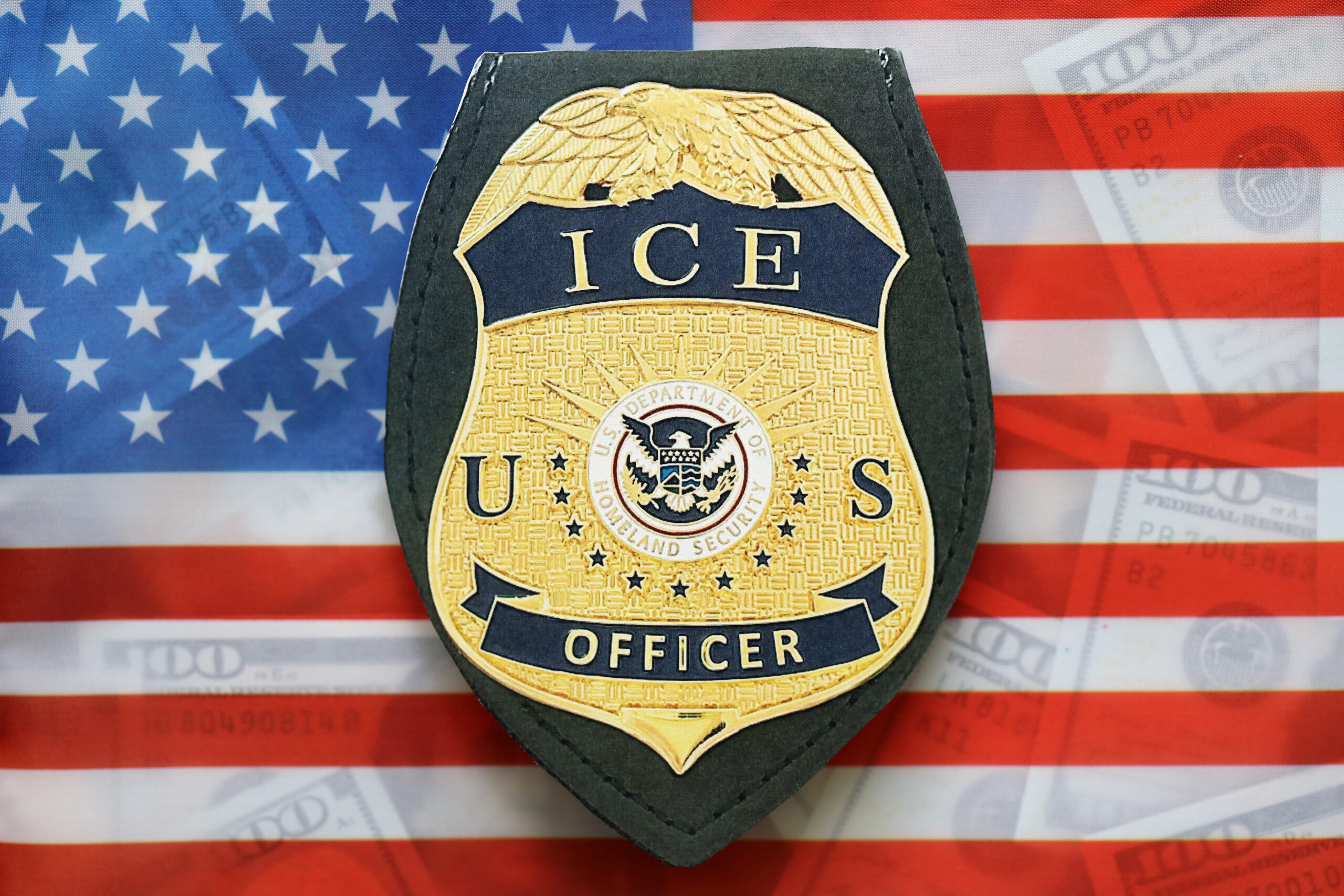
D’Agostino found that the federal government was likely to succeed on its claim that New York directly regulated federal officers. The Constitution’s Supremacy Clause limits states from controlling lawful federal operations.
The order blocked two enforcement provisions while the court considers the full case. A preliminary injunction does not permanently invalidate a law.
New York’s face-covering provision generally barred officers from hiding their identities during public interactions. A related measure required visible agency identification and an individual identifier, such as a badge number.
The laws included exceptions for undercover assignments, covert surveillance, tactical work and medical protection. Federal officials argued that those exceptions did not solve the broader constitutional problem.
D’Agostino said New York’s interest in transparent policing could be legitimate. Still, she distinguished that concern from whether a state may set operational rules for federal personnel.
Federal government cites officer safety.
The Justice Department filed its federal lawsuit in June against New York, Hochul and Attorney General Letitia James. Federal lawyers said the laws threatened officers with prosecution for following agency practices.
The department argued that masks can protect agents from harassment, doxing and threats. It also said mandatory identifiers could expose officers or their families and disrupt sensitive operations.
The challenge covered personnel from ICE, the FBI, the Drug Enforcement Administration and U.S. Customs and Border Protection. The government said New York could not impose separate uniform rules on federal agencies.
The injunction means state and local officers cannot enforce the blocked provisions against federal personnel for now. Federal agencies may continue applying their own identification and safety policies.
Hochul and James defend transparency rules.
Hochul and James criticized the part of the decision that stopped the mask and identification requirements. They said their offices were reviewing legal options and maintained that masked agents do not improve public safety.
State officials have argued that residents should be able to identify armed officers conducting arrests. They also say visible identification can reduce confusion and deter law enforcement impersonation.
New York maintained that its rules did not conflict with a federal law requiring masks. The state described them as public safety safeguards rather than an attempt to control immigration policy.
D’Agostino rejected that argument at the preliminary stage. She found that the provisions directly regulated federal officers performing federal duties.
New York may ask the 2nd U.S. Circuit Court of Appeals to review the injunction. It can also continue defending the provisions before D’Agostino.
Ban on 287(g) agreements survives
The judge reached a different conclusion on New York’s Local Cops, Local Crimes Act. That law prevents local agencies from entering or remaining in agreements that assign federal immigration functions to local personnel.
The federal 287(g) program delegates specified immigration functions to trained state, local and tribal officers under ICE supervision. Participating departments sign formal agreements and nominate personnel for federal training.
D’Agostino found that participation is voluntary under federal law. New York can therefore decide whether its agencies, officers and taxpayer-funded facilities will support federal civil immigration enforcement.
The restriction does not stop ICE from conducting operations with federal agents. It limits local agencies from taking on delegated immigration duties or using detention resources for covered civil enforcement work.
The judge found that New York was controlling its own resources rather than directing federal officers. That distinction allowed the cooperation ban to remain enforceable.
Twelve agencies face August deadline.
James’ Office of Immigrant Trust sent notices to departments with existing 287(g) agreements. In July, twelve agencies received notices directing them to end the partnerships by August 25, 2026.
Hochul and James welcomed the court’s refusal to block that requirement. They said local officers should focus on local crimes and taxpayers should not finance federal civil immigration enforcement.
Some Republican county officials have opposed the withdrawal order and indicated they may resist it. The ruling leaves affected agencies subject to the deadline unless another court intervenes.
The case reflects a broader conflict between the Trump administration and Democratic-led states over immigration enforcement. Similar disputes have reached federal courts over masks, identification and cooperation with ICE.
For now, federal agents may continue wearing authorized face coverings during operations in New York. The state’s 287(g) restrictions remain active, and the affected agencies still face the August 25 deadline.
No final ruling has resolved the constitutionality of the mask and identification laws. Hochul and James are reviewing possible legal action, while the Justice Department continues seeking permanent relief.