Most danger in America does not arrive with movie music. It shows up during normal life. A quick text at a red light. A smoke alarm is chirping in the hallway. Leftovers sitting on the counter after Sunday dinner. A “short drive” without a seat belt. A drink taken with medication because the label looked too small to matter.
That is what makes these risks so easy to ignore. They do not feel dramatic. They feel ordinary. Americans are busy, tired, distracted, overworked, and used to cutting corners just to get through the week. But some of those tiny shortcuts can turn ugly fast.
Texting While Driving Like “Just One Message” Won’t Matter

A phone buzzes in the cupholder, and the brain starts bargaining. It is probably important. It will only take two seconds. Traffic is barely moving. Everyone does it. That little negotiation is exactly how distracted driving becomes deadly.
In 2024, distracted driving killed 3,208 people in the United States, which makes the “quick glance” far more dangerous than it feels in the moment. The worst part is how normal it looks. A driver is not drunk, speeding wildly, or trying to cause harm. They are just reading a message, changing a playlist, checking directions, or replying with “almost there.” That is enough.
Skipping the Seat Belt on Short Trips
Plenty of people buckle up on the highway but get careless close to home. A run to the gas station. A school pickup. A five-minute drive to the grocery store. The logic sounds harmless: “I’m not going far.” The crash does not care.
In 2024, nearly half of passenger vehicle occupants who died in crashes were unrestrained, based on known seat belt use. That number should make every “short trip” excuse look weaker. Seat belts are not for long drives. They are for sudden stops, distracted drivers, bad intersections, wet roads, blown tires, and all the moments nobody planned for.
Driving Tired and Calling It Discipline
Americans love pushing through exhaustion as if it were a badge of honor. People drive home after double shifts, late flights, night classes, long road trips, and family events, where they kept saying, “I’m good.” But tired driving can turn a normal road into a blur before the driver realizes they are in trouble.
Drowsy driving is especially dangerous because people often underestimate it. They open the window, turn up the music, sip gas-station coffee, and believe they can fight biology with willpower. That confidence can be deadly. Sleep is not weakness. It is part of staying alive on the road.
Ignoring Smoke Alarms Until It Is Too Late
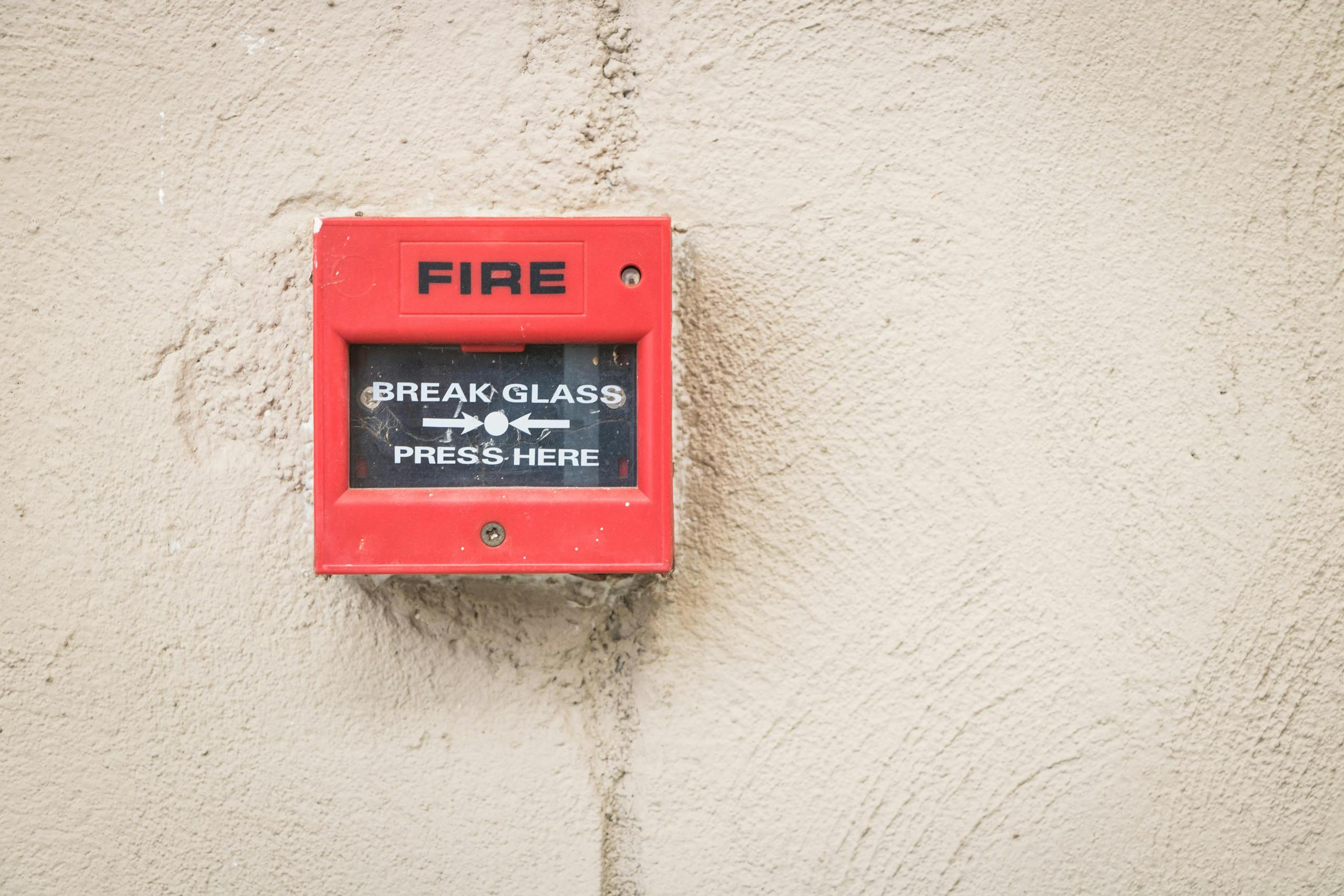
A chirping smoke alarm can drive anyone crazy. So someone pulls the battery out “just for tonight.” Someone else means to replace it after work. A landlord says they will check it later. Then, later, it becomes months, and the house stays quiet until the one night it should not.
When working smoke alarms are present in the home, the risk of dying in a home fire drops by 60%. That tiny plastic device is not background decoration. It is a warning system that buys precious seconds when smoke, darkness, and panic can make escape harder.
Treating Carbon Monoxide Like a Winter Myth
Carbon monoxide is terrifying because it does not kick the door down. It has no smell, no color, and no dramatic warning. It can come from faulty furnaces, generators, gas stoves, fireplaces, grills, water heaters, or cars left running in attached garages.
Each year, more than 400 Americans die from unintentional carbon monoxide poisoning not linked to fires, and more than 100,000 visit emergency departments. That is why every home needs working carbon monoxide alarms, especially near sleeping areas. Running generators or grills indoors, even in a garage, is not “just risky.” It can be fatal.
Mixing Alcohol With Medication
This mistake happens quietly at dinner, at a barbecue, during a game night, or after a stressful week. Someone takes a prescription, pain reliever, sleep aid, anxiety medication, allergy pill, or opioid pain medicine, then has a drink because it feels normal. The body may disagree.
The danger is worse because many people do not think of alcohol as a drug. They see it as wine with dinner or a beer after work. But when mixed with certain medications, “just one drink” can stop being casual. It can increase the risk of falls, breathing trouble, overdose, liver damage, stomach bleeding, and dangerous sedation.
Leaving Food Out Too Long

American kitchens are full of confidence. People sniff leftovers, trust their stomachs, leave pizza out overnight, thaw meat on the counter, or keep potato salad sitting outside during a summer cookout. The problem is that dangerous bacteria do not always announce themselves with a bad smell.
Each year, 48 million people in the United States get sick from foodborne illness, with 128,000 hospitalized and 3,000 dying. That makes food safety more than a picky rulebook. When perishable food has been sitting out too long, the safest move is not bravery. It is the trash can.
Climbing on Chairs Instead of Using a Real Ladder
Someone needs to change a lightbulb, grab a box, clean a ceiling fan, or hang decorations. The ladder is in the garage, so a chair, countertop, rolling office chair, or wobbly stool suddenly becomes “good enough.” That is how ordinary chores become emergency-room stories.
Falls hit older adults especially hard, but this habit can hurt anyone. A chair was made for sitting, not for balancing near a ceiling fan with one foot in the air and one hand full of decorations. Use the right equipment, turn on the lights, move slowly, and stop treating unstable furniture like a home-improvement tool.
Skipping Life Jackets Because the Water Looks Calm
A lake can look peaceful right before it becomes dangerous. Americans go boating, fishing, tubing, kayaking, paddleboarding, and swimming every week, often with more confidence than preparation. Someone says they can swim. Someone says the shore is close. Someone says the water is calm. Then the weather changes, the boat shifts, a cramp hits, or panic takes over.
Life jackets matter because drowning can happen fast and quietly. The water does not care how strong someone looked on shore. It does not care how many times they have swum before. A life jacket may feel annoying for a few minutes, but panic in open water is far worse.
Ignoring Warning Symptoms Because “It’ll Pass”

Americans are experts at explaining away symptoms. Chest pressure becomes heartburn. Sudden weakness becomes fatigue. A strange headache becomes stress. Shortness of breath becomes a sign of being out of shape. People do this because they are busy, uninsured, underinsured, stubborn, scared, or tired of medical bills.
But some symptoms deserve immediate attention. Sudden chest pressure, trouble breathing, face drooping, slurred speech, one-sided weakness, severe allergic reactions, fainting, heavy bleeding, confusion, or sudden severe pain should not be treated like minor inconveniences. The goal is not to panic over every ache. The goal is to stop gambling with symptoms that can change a life in minutes.
Conclusion
Most Americans are not reckless. They are rushed. They are tired. They are juggling work, family, bills, errands, meals, traffic, and the constant pressure to keep moving. That is why risky habits slip into everyday life so easily. They feel practical until something goes wrong.
The scary part is that many of these dangers are preventable. Buckle the seat belt. Put the phone down. Replace the smoke-alarm battery. Check the carbon monoxide detector. Read medication labels. Refrigerate food. Use a ladder. Wear the life jacket. Take scary symptoms seriously.
Safety does not always require a dramatic lifestyle change. Sometimes it is just one better choice made before the bad moment arrives. And in real life, that one small choice can be the reason someone gets to come home.