Death does not always arrive with sirens, shadows, or a dramatic movie soundtrack. Sometimes it looks like a regular Tuesday. A drive home after work. A pan was left on the stove. A pill someone swears is safe. A pain someone keeps ignoring because life is busy.
That is what makes this subject so unsettling. Most Americans are not trying to live dangerously. They are commuting, cooking dinner, working late, raising kids, caring for parents, or trying to relax after a long week. Yet some of the deadliest risks in America hide inside those ordinary routines.
Heart Disease
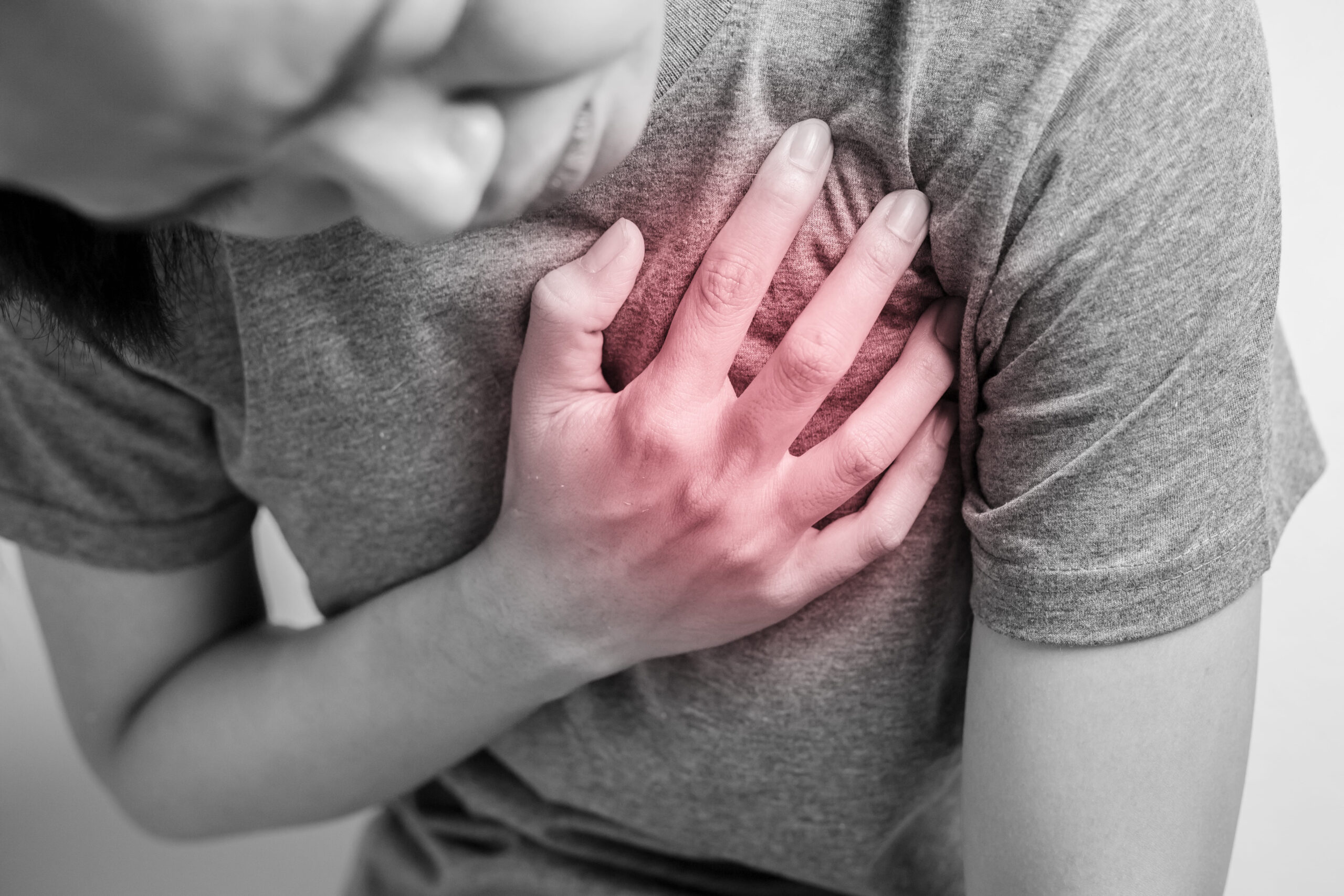
Americans know how to push through. Chest tightness gets blamed on stress. Fatigue gets blamed on work. Fast food becomes dinner because the day ran too long. A checkup gets pushed to next month, then next season, then next year.
The danger is that heart disease often grows while people are busy proving they are fine. Cardiovascular disease accounted for one in three U.S. deaths in 2022. It does not always look like a sudden collapse. Sometimes it looks like years of stress, skipped appointments, poor sleep, high blood pressure, and meals eaten from a paper bag in the driver’s seat.
Cancer
Every American family knows the dread of waiting for test results. The phone rings, the doctor wants to talk, and suddenly the kitchen gets quiet. Cancer can split life into before and after, even when the first warning sign seemed small.
The numbers explain that fear. In 2025, an estimated 2,041,910 new cancer cases and 618,120 cancer deaths were expected in the United States. Many risks build slowly while life feels normal. A missed screening, a stubborn cough, a changing mole, heavy drinking, smoking, or a symptom someone keeps explaining away can quietly become the start of a harder story.
The Drive Home
Driving feels so normal that people forget how dangerous it can be. Americans drive tired, late, distracted, hungry, upset, or half-awake after long shifts. Someone checks a text. Another person runs a yellow light. A commuter tells themselves they can make it home.
The road does not care how ordinary the errand was. Traffic crashes killed 39,254 people in 2024 in 2024. Behind that number are school runs, date nights, grocery trips, night shifts, road trips, delivery routes, and drives that were supposed to end safely in a driveway.
Fake Pills
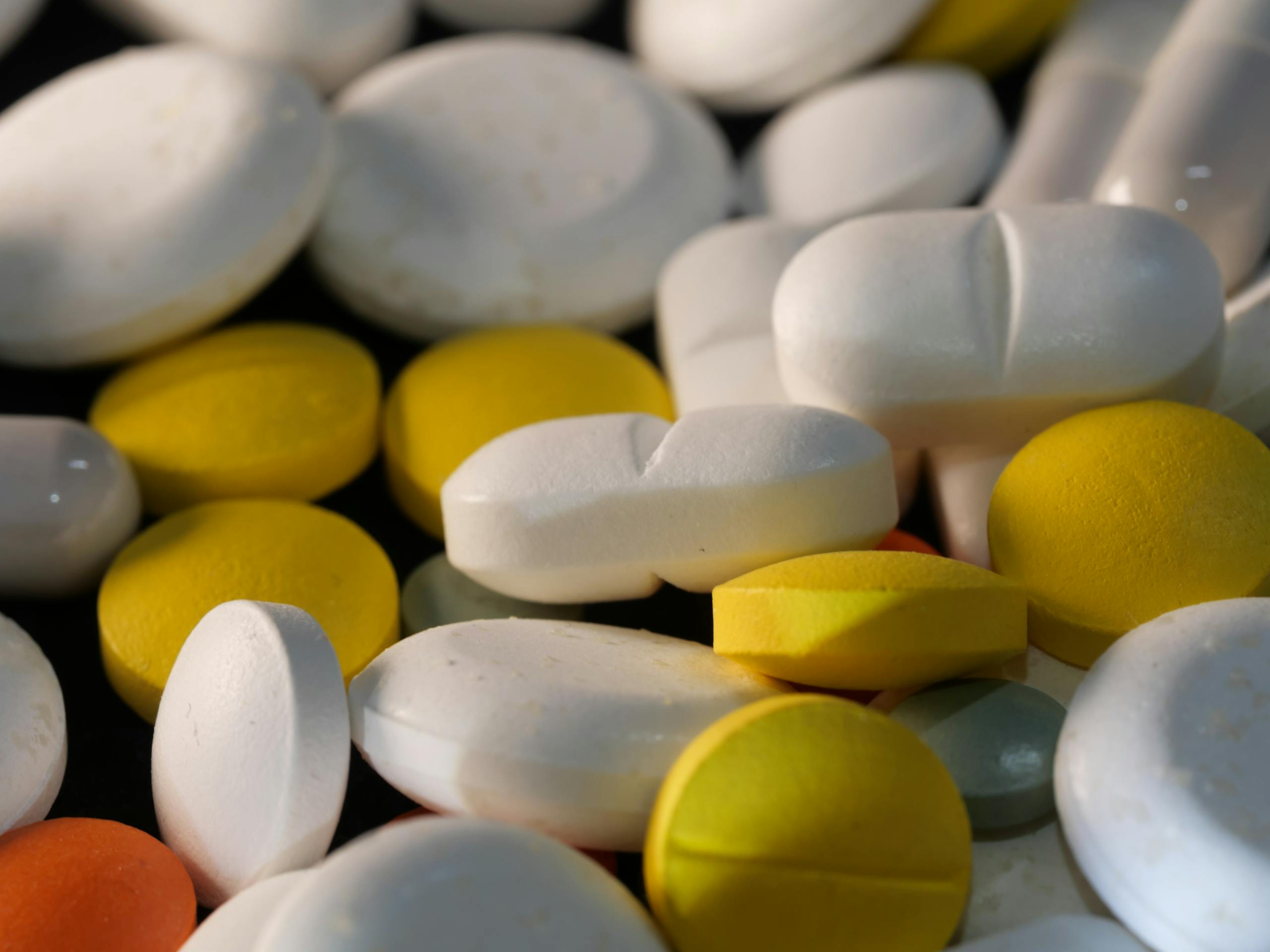
A fake pill does not announce itself. It can look like something from a medicine cabinet. It can show up at a party. It can come from someone who says it will help with stress, sleep, pain, or panic.
That is what makes the modern drug danger so terrifying. The person taking the pill may not know what is inside it. In 2025, authorities seized more than 47 million fentanyl-laced counterfeit pills and nearly 10,000 pounds of fentanyl powder, equal to more than 369 million lethal doses. One tablet can carry a risk the user never saw coming.
Falls
A fall sounds minor until it happens to someone fragile, alone, or unlucky. A loose rug, wet bathroom tile, an icy step, a cluttered hallway, or a quick climb onto a chair can change everything in seconds. For older Americans, home can be both a safe place and a hidden obstacle course.
The danger deserves more attention. In 2024, 43,020 older adults died from preventable falls. That turns small household details into serious safety issues. Better lighting, grab bars, cleared walkways, safer shoes, balance exercises, and honest talks about mobility may sound boring, but boring can save lives.
House Fires
A house fire rarely needs a dramatic cause. It can begin with a pan left on the stove, a candle forgotten during a movie, a space heater too close to blankets, an overloaded outlet, or smoke alarm batteries that never got replaced. The most dangerous fires often begin inside the same cozy routines people trust.
The damage remains severe. In 2023, residential building fires caused 2,890 deaths, 10,400 injuries, and more than $11 billion in losses. Cooking is one of the leading causes, making the kitchen one of the most underestimated risk zones in American homes. A working smoke alarm, a clear escape plan, and more attention at the stove can change the ending.
Extreme Heat
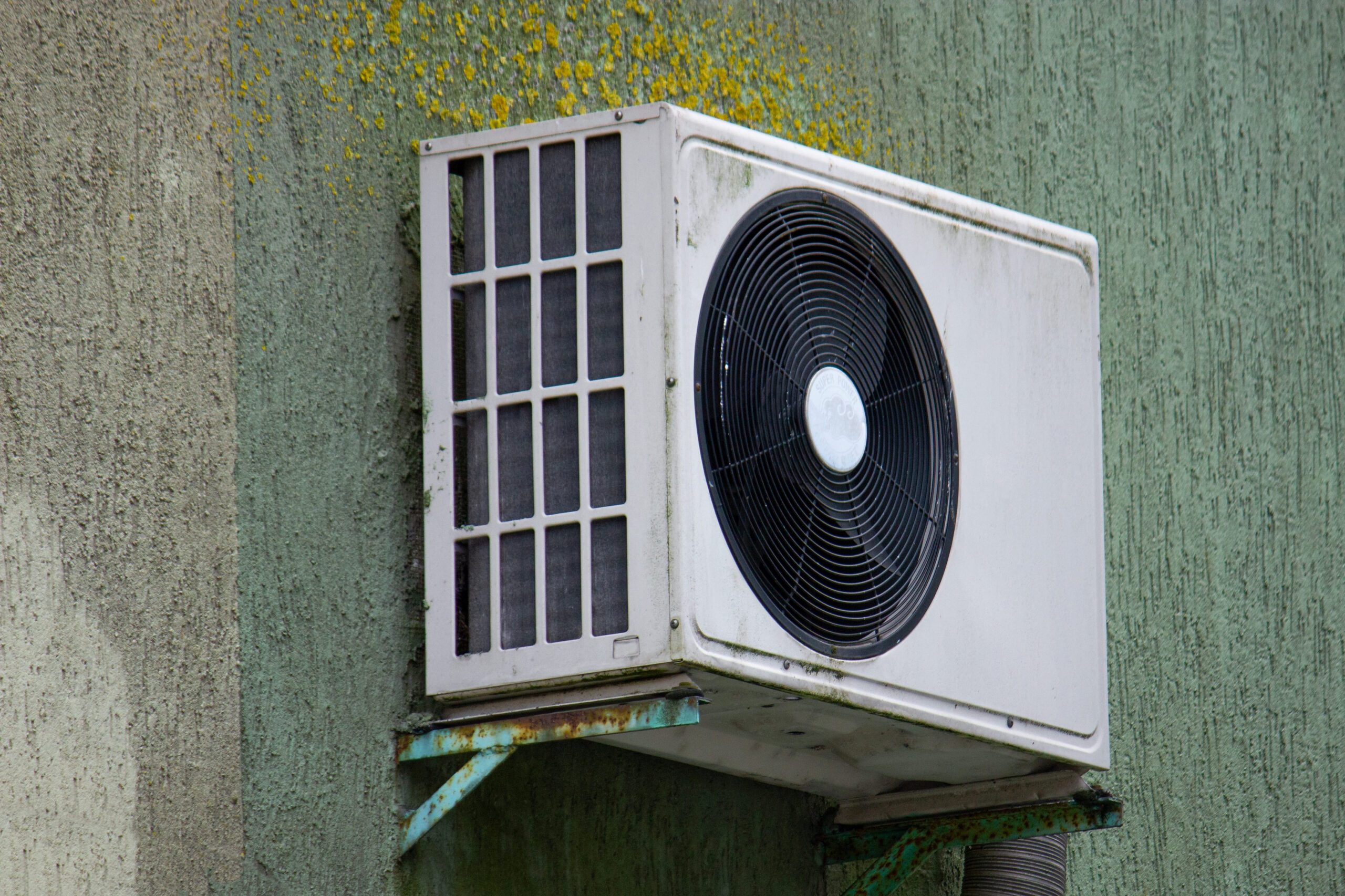
Heat does not always look scary. It looks like a Little League game, a construction shift, a backyard cookout, a long walk to the bus, or an apartment with weak air conditioning. People tell themselves they can handle it because they have handled hot days before.
That confidence can be dangerous. Heat-related deaths rose from 1,069 in 1999 to 2,325 in 2023. Older adults, children, outdoor workers, people with chronic illness, and households without reliable cooling face the greatest risk. A hot day is no longer just uncomfortable; it’s dangerous. In the wrong body, in the wrong room, at the wrong hour, it can become lethal.
Work
Americans respect hard work, but too many jobs still carry serious danger. A truck driver fights sleep on the highway. A roofer works above concrete. A farmer handles heavy equipment. A warehouse worker moves fast because the clock keeps pushing.
Danger can start to feel normal when the paycheck depends on showing up. In 2024, there were 5,070 fatal work injuries recorded in the United States. That number represents people who packed lunch, kissed someone goodbye, clocked in, and never made it home. A job should provide a living, not become the place where a life ends.
Alcohol
Alcohol is stitched into American life so tightly that danger can hide behind celebration. It shows up at football Sundays, weddings, holidays, happy hours, cookouts, vacations, birthdays, breakups, and quiet nights when someone says they just need to take the edge off. Because it is legal and familiar, many people forget it still carries a body count.
The risk reaches beyond drunk driving. Alcohol use contributes to about 20,000 cancer deaths each year in the United States. That does not mean every drink ruins a life. It means Americans deserve a more honest conversation about a habit that often arrives dressed as fun but can leave lasting damage behind.
Conclusion

The most unsettling thing about death in America is how ordinary it can look before it arrives. It can hide in a commute, a kitchen, a pill, a hot apartment, a workplace, a staircase, a bottle, or a symptom someone keeps ignoring. The danger is not always dramatic. Sometimes it is familiar, convenient, and easy to dismiss.
That is why awareness matters. A checkup, a slower drive, a working smoke alarm, a safer bathroom, a skipped fake pill, a sober ride, a cooler room, or one honest conversation can change the ending. Death may be unavoidable, but too many American deaths arrive early because everyday risks were allowed to look harmless for too long.