Death row stories sit in one of the darkest corners of true crime because they force us to hold two hard truths at once. The crimes were often devastating, the victims mattered, and the families left behind carried wounds no sentence could erase.
Yet the final chapters of some condemned prisoners also exposed broken trials, mental disability, racial injustice, botched executions, mercy, remorse, and the terrifying possibility that the system can be wrong.
That tension is why these cases still grip readers decades later. The modern U.S. death penalty has produced more than 1,600 executions since the 1970s, and at least 202 people sentenced to death have later been exonerated, which keeps the debate painfully alive.
These ten death row stories do not ask us to forget the victims. They ask us to look harder at what happens when justice reaches its final door.
Mark Stroman and the survivor who tried to save him

Mark Stroman committed hate-driven attacks after 9/11, targeting people he believed were Arab or Muslim. One of the men he shot, Rais Bhuiyan, survived. Instead of asking only for punishment, Bhuiyan later forgave Stroman and spent months trying to save him from execution.
That act of mercy made the case deeply unsettling. Stroman had caused irreversible harm, yet the man he nearly killed became one of the loudest voices asking the state not to kill him.
Stroman reportedly renounced his white supremacist beliefs and expressed regret before his 2011 execution. The story remains powerful because it refuses to fit neatly into a simple revenge narrative. A survivor chose mercy, and the state chose death.
Philip Workman and the last meal that became a meal for strangers
Philip Workman was executed in Tennessee in 2007, but his final meal request made his case travel far beyond prison walls. Instead of asking for food for himself, he requested that a vegetarian pizza be given to a homeless person near the prison. Prison officials refused, saying they did not donate to charities.
The refusal sparked a public response. People across Nashville sent pizzas to homeless shelters in his name, turning a denied request into a strange, sad act of communal generosity.
Workman had been convicted of killing a police officer, so his case should never be romanticized. Still, the last meal story endures because it created a final contradiction: a condemned man asked that his last privilege be given away, and strangers carried out the mercy the system rejected.
Brandon Rhode and the state that saved him so it could execute him

Brandon Joseph Rhode’s final days exposed one of the most disturbing contradictions in the death penalty process. He attempted suicide shortly before his scheduled execution, but prison officials and medical staff saved his life. Days later, Georgia executed him by lethal injection.
Rhode had been convicted of the murders of Steven Moss and his two children during a burglary, so the underlying crime was devastating. Yet the final sequence still shocks the conscience.
The state treated his life as worth preserving only until it could end that life under official procedure. His case forces a bleak question that legal systems rarely answer with moral clarity: what does it mean to rescue a person from death in order to kill him on schedule?
Christopher Newton and the execution that took too long
Christopher Newton’s execution in Ohio became notorious because prison staff struggled to find usable veins for the lethal injection. Newton was executed in 2007 after being sentenced to death for killing his cellmate, and the process was delayed for nearly two hours. Staff reportedly stuck him with needles at least ten times, and at one point, he was allowed a bathroom break before the procedure continued.
Newton’s case is unsettling because he had insisted on the death penalty, yet the actual process still looked anything but clean or simple. He smiled, spoke with the staff, and made a final request for beef stew and a chicken bone. The story undercuts the idea that lethal injection is always quiet, clinical, and controlled.
It shows how the execution chamber can become a place of improvisation, delay, and visible human strain.
Randy Woolls and the condemned man who helped find the vein
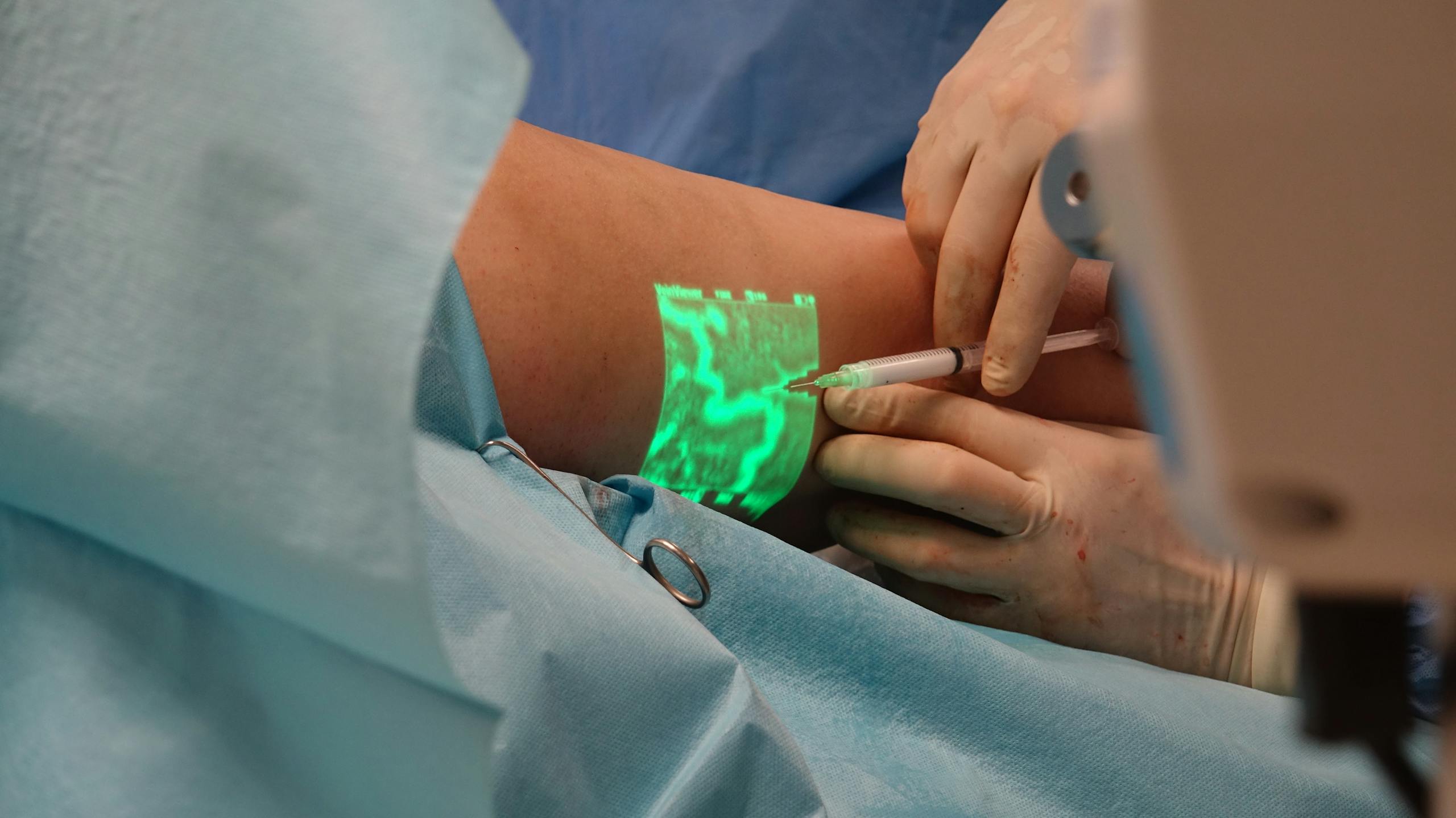
Randy Woolls was executed in Texas in 1986 for the killing of Betty Stotts, a drive-in theater worker. His final moments became widely remembered because he helped technicians find a vein for the lethal injection after years of drug use had damaged his veins.
The detail is haunting because it reverses the expected roles. The condemned man became an assistant in his own execution, guiding the people assigned to end his life. Before he died, Woolls apologized to the victim’s family and said he wished he could make things right. Nothing about that apology erased the crime, but it made the ending harder to process.
The state’s procedure depended, briefly and strangely, on the cooperation of the man it was killing.
Cameron Todd Willingham and the fire science that would not stay buried
Cameron Todd Willingham was executed in Texas in 2004 after being convicted of murdering his three children in a 1991 house fire. The heartbreak of the case comes from what happened after the conviction: arson experts later questioned the forensic foundation of the case, saying the original investigation was flawed and that the fire may have been accidental.
Willingham maintained his innocence until his execution. Later reviews raised concerns about arson indicators used at trial, jailhouse informant testimony, and whether the scientific evidence truly supported the prosecution’s theory. His case sits in the most frightening category of death row stories: the ones where the prisoner is already dead before the evidence gets its second hearing.
Conclusion
These cases remain powerful because they do not let readers hide behind easy categories. Some of the men committed terrible crimes. Some may have been wrongfully convicted. Some showed remorse. Some did not. Some were mentally impaired, some were failed by poor defense work, and some became symbols of larger flaws in the machinery of capital punishment.
The strongest death row stories are not the ones that excuse violence. They are the ones that reveal how much weight a justice system must carry when its punishment is irreversible. A prison sentence can be corrected, reduced, appealed, or overturned while the person is still alive. An execution turns every mistake into a monument.
That is why these stories still haunt America: they remind us that the final sentence is only as perfect as the people, science, courts, politics, and prejudices behind it.