Before wellness podcasts, boundary talk, girls’ trips, and “choose yourself” advice filled American culture, many Boomer girls were raised with a much colder script. Sit nicely. Speak softly. Help your mother. Do not embarrass the family. Smile even when your heart is somewhere else.
Their childhoods often unfolded in kitchens with linoleum floors, church basements, school hallways, department stores, and living rooms where adults believed a girl’s future could be shaped by manners, marriage, patience, and appearance. Some lessons were meant to protect them. Others quietly boxed them in.
That is why the tough lessons Boomer girls were taught still matter. They explain why many older women became strong, practical, careful, and emotionally disciplined, even when that strength came at a cost.
This is not about blaming one generation. It is about understanding the rules many girls absorbed before America started talking more openly about equality, ambition, mental health, and women’s right to want more.
Good Girls Were Expected to Stay Pleasant
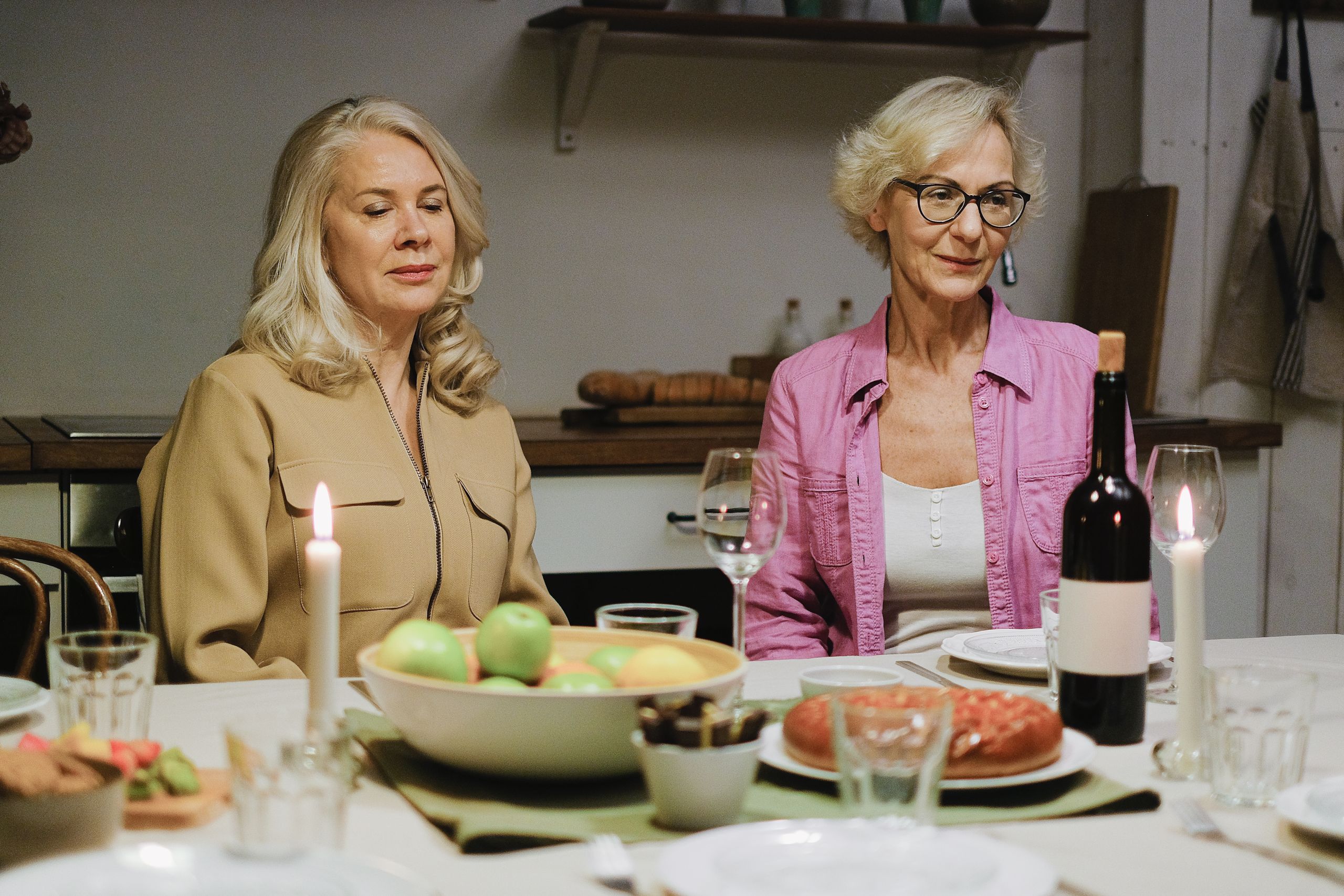
Many Boomer girls learned early that being liked mattered almost as much as being right. Anger was often treated as unattractive, loud opinions were risky, and a girl who pushed back could be called difficult before she was called honest.
That lesson followed many women into adulthood. At work, in marriage, and even in family life, they learned to soften bad news, swallow irritation, and make discomfort look polite because pleasantness was treated like a duty.
Marriage Was Sold as the Main Prize
For many girls growing up in the postwar years, marriage was framed as the finish line. School, friendships, and dreams mattered, but a husband was often presented as the real proof that a girl had become a successful woman.
That message could make single life feel like failure, even for women who were capable, ambitious, and independent. The pressure was not always spoken harshly. Sometimes it came through jokes, church whispers, family questions, and the quiet panic around being “left on the shelf.”
Beauty Was Treated Like Social Currency
Boomer girls often grew up hearing that appearance could open doors or close them. Hair, weight, makeup, posture, clothing, and manners were monitored because beauty was seen as a form of social security.
The message was simple but heavy. If you looked right, you had a better chance of being chosen, respected, protected, or forgiven. That kind of pressure can stay with a woman long after the school dance, the first job interview, and the wedding photos are over.
The Tough Lessons Boomer Girls Were Taught About Work Were Complicated

Many Boomer girls were told they could work, but not always that they should expect power. Jobs were often framed as temporary, secondary, or useful until marriage and children arrived.
At the same time, the country was changing. Women’s labor force participation grew dramatically in the second half of the 20th century, meaning many Boomer women had to carry old expectations into workplaces that were not fully ready for them.
They Learned to Do the Housework Without Applause
Many Boomer girls were trained in domestic responsibilities before they understood it as labor. Cooking, cleaning, ironing, babysitting younger siblings, serving guests, and helping without complaint were often treated as normal parts of becoming a girl.
That lesson created capable women, but it also created quiet resentment. When invisible work becomes expected, people stop seeing how much effort it takes to hold a home, a family, and everyone’s comfort together.
Money Was Often Presented as a Man’s Department
Many girls were raised to believe that men handled serious money. Fathers signed papers, husbands made big financial decisions, and women were often encouraged to budget carefully rather than build independent financial power.
That lesson left some women vulnerable. Even smart, hardworking women could be pushed away from investing, negotiating, making credit decisions, or long-term planning because the culture treated money confidence as masculine territory.
Education Was Encouraged, But Ambition Had Limits

Boomer girls were often encouraged to do well in school, but the encouragement came with limits. A girl could be smart, but she was not always supposed to seem too competitive, too career-focused, or too unwilling to center family life.
Those limits were real in many schools and workplaces. Laws eventually pushed back against sex based discrimination, but many Boomer girls came of age when access, expectations, and opportunity were still shaped by old assumptions about what girls were meant to become.
They Were Told to Endure More Than They Should
Many Boomer girls absorbed the idea that strong women put up with things. A hard marriage, a cold boss, a rude relative, a selfish partner, or an unfair rule was often something to survive quietly rather than challenge openly.
Endurance can be powerful, but it can also become a trap. When girls are praised only for tolerating pain, they may grow into women who struggle to name their own needs without feeling selfish.
Equal Pay Was a Promise They Had to Watch Crawl Forward
Boomer girls grew up in a country where fairness sounded noble, but paychecks told a different story. Many watched women work hard, train men who earned more, or accept smaller salaries because pushing back felt risky.
The equal pay law arrived in 1963, but laws do not erase attitudes overnight. For many Boomer women, the lesson was brutal. You could be qualified, loyal, and excellent, yet still have to fight for the value of your work.
They Learned That Reputation Could Control a Girl’s Life

A boy could be adventurous, bold, or charming. A girl could be judged for one rumor, one outfit, one date, one mistake, or one moment of rebellion.
Reputation worked like a leash for many Boomer girls. It shaped how they dressed, where they went, who they talked to, and what they admitted wanting because shame was often used as a form of discipline.
They Were Taught to Put Everyone Else First and Call It Love
The final lesson was one of the heaviest. Many Boomer girls were taught that a good woman gave, served, remembered birthdays, kept peace, cared for children, soothed men, supported parents, and asked for very little in return.
That sacrifice built families and communities, but it also exhausted women who were rarely asked what they needed. Even as women’s college attainment rose, many still held the older belief that achievement mattered less if others were not comfortable first.
Key Takeaway
The tough lessons Boomer girls were taught were not all useless. They produced women who could stretch a dollar, keep a household running, face disappointment, work hard, and move through life with remarkable grit.
But some of those lessons were too heavy. They asked girls to be pretty but not vain, smart but not intimidating, strong but not loud, ambitious but not selfish, and tired without ever looking tired.
The most honest way to look back is not with mockery or blind nostalgia. It is to recognize that many Boomer women survived rules they never wrote, then quietly helped loosen them for the daughters and granddaughters who came after.