An American sits down at a restaurant overseas and asks for ice water, extra sauce, a substitution, separate checks, free refills, and a to-go box before the meal is even over. Back home, that may sound normal. In another country, the table can go quiet as everyone watches one person turn dinner into a negotiation.
That is where culture shock gets uncomfortable. Many American behaviors are not meant to be rude, wasteful, or pushy. They often come from friendliness, convenience, confidence, habit, or the belief that customers should get exactly what they want. Still, what feels practical in the U.S. can look strange when the rest of the room plays by different social rules.
These habits are not only about travel. They show up in restaurants, airports, workplaces, homes, stores, public spaces, and everyday conversations. They also reveal hidden costs behind American life, from wasted food and worker pressure to burnout, car dependence, and the belief that speed should always beat patience.
That is why American behaviors can make other countries question U.S. common sense. Outsiders are not always judging America because they hate it. Sometimes they are reacting to habits Americans rarely stop to question because they have been treated as normal for so long.
Talking Loudly Like the Whole Room Asked to Listen

Americans often speak with energy, confidence, and volume, especially in restaurants, hotels, trains, airports, and tourist spots. At home, that can read as friendly or outgoing. In cultures where public quiet is treated as a sign of respect, it can feel like one group is taking over the room. The behavior becomes even more noticeable when laughter, complaints, or personal stories travel across nearby tables.
The problem is not that Americans should whisper everywhere they go. The issue is reading the room before filling it. In many countries, public space is shared more quietly, and people expect strangers to keep their conversations contained. When Americans ignore that invisible rule, they can look careless even when they mean no harm.
Turning Every Meal Into a Custom Order
American restaurant culture trains people to ask for changes. Sauce on the side, no onions, extra dressing, grilled instead of fried, half this, double that, and a different side dish can all feel normal. In the U.S., customization is often treated as good service. Elsewhere, it can look demanding, especially in places where the menu reflects the chef’s vision rather than the customer’s.
This habit can also connect to America’s larger food waste problem. A family of four loses about $1,500 each year to uneaten food, based on average family food waste estimates. That does not mean every custom order is wasteful, but it shows how casually food can become disposable. Other countries may see the constant modifying, overordering, and boxing leftovers as a strange mix of abundance and carelessness.
Expecting Ice, Refills, and Huge Drinks Everywhere

Americans love cold drinks, giant cups, ice, and refills. A glass packed with ice feels refreshing, generous, and normal in many U.S. restaurants. In other countries, drinks may arrive smaller, warmer, less sweet, or without endless refills. That difference can make American expectations look oddly intense for something as simple as water or soda.
The behavior becomes awkward when travelers react with shock rather than adjust. Asking for ice is not the problem. Acting as if a country has failed because it serves drinks differently is the problem. To outsiders, America’s drink culture can look like a small but revealing example of expecting the world to copy U.S. comfort habits.
Wearing Shoes Inside the House
Many Americans walk into their homes without removing their shoes. They may come from sidewalks, parking lots, public bathrooms, grocery stores, offices, gas stations, and then step across the living room carpet. For many U.S. households, this is not treated as shocking. It is just what people do unless the host says otherwise.
In many cultures, shoes inside the home are seen as dirty, disrespectful, or impossible to justify. The home is treated as a cleaner, softer space that should be protected from the outside world. That is why this American behavior can quickly confuse people. To them, common sense says the street should stop at the door.
Bragging About Being Too Busy to Rest
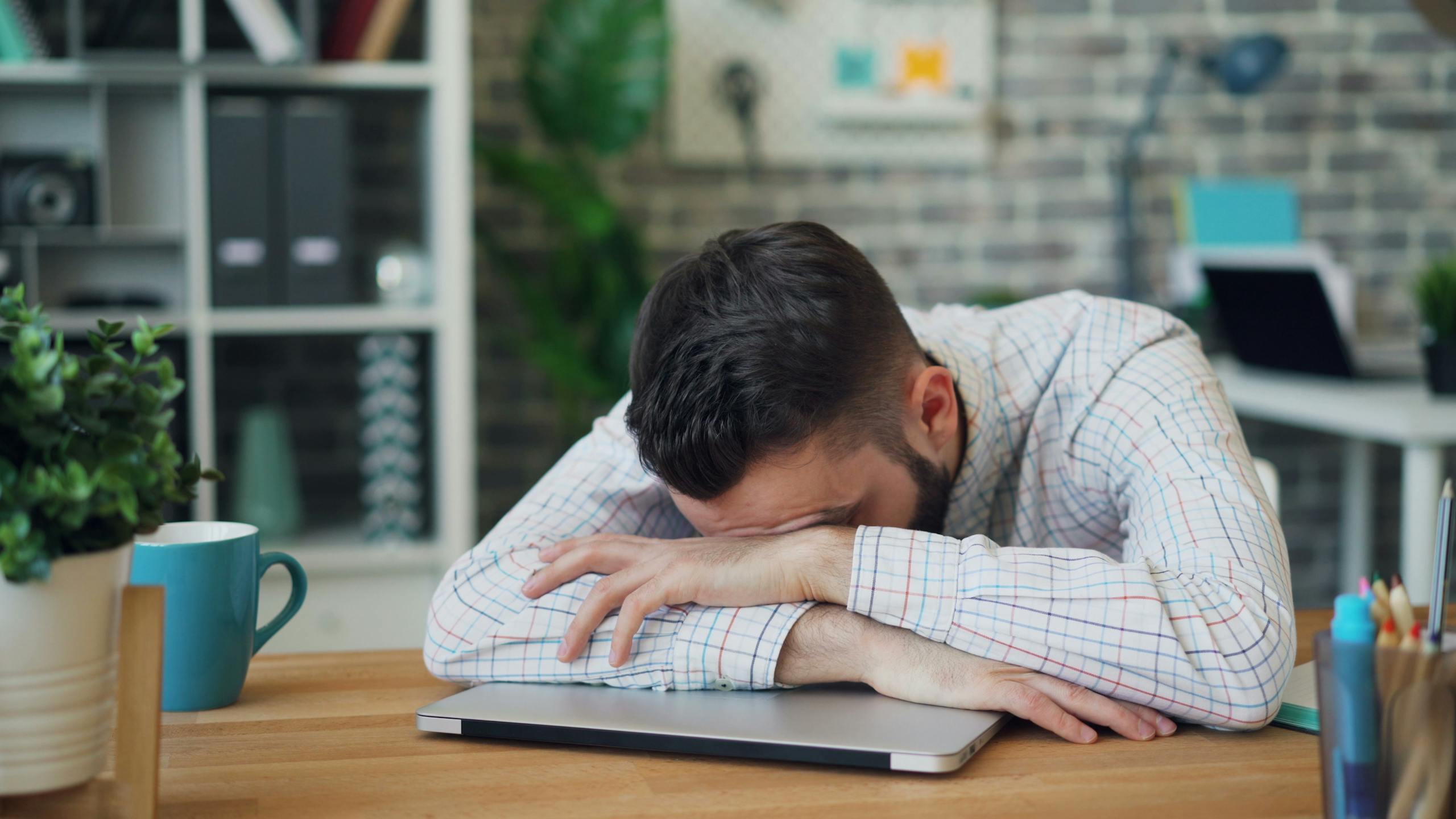
Americans often talk about exhaustion as if it proves value. People say they are slammed, booked, buried, grinding, or running on coffee as if burnout is a badge. The behavior shows up at work, in parenting, in side hustles, and even in casual conversations. Instead of asking why life feels so draining, many Americans learn to be tough.
Other countries may work hard too, but many find America’s pride in overwork difficult to admire. In the U.S., access to paid vacation still depends on job type and employer, which makes rest feel unequal from the start. That reality shapes behavior. When time off feels fragile, people start defending exhaustion because admitting the problem would make the system look cruel.
Treating Tipping Like a Public Morality Test
Americans are used to tipping at restaurants, salons, coffee counters, delivery apps, rideshares, and more. The behavior has become so normal that many people automatically calculate tips, even when they feel annoyed by the pressure. A screen flips around, suggested percentages appear, and the customer suddenly feels judged by the worker. That can turn a simple purchase into a social test.
Other countries often find this strange because wages are expected to come from employers, not from emotional pressure at checkout. Some U.S. tipped workers can be paid a direct cash wage of $2.13 per hour if tips make up the difference, under the tipped worker wages rules. That structure helps explain why the behavior exists. It also explains why outsiders question a culture that makes customers feel responsible for finishing someone else’s paycheck.
Acting Shocked When Stores Close Early

Many Americans expect convenience at almost any hour. Late-night pharmacies, 24-hour stores, drive-thrus, fast shipping, weekend errands, and same-day service make life feel easier. For busy parents, caregivers, shift workers, and people juggling long commutes, convenience can feel like survival. That is why Americans often defend it strongly.
The problem appears when that expectation travels abroad. In some countries, shops close earlier, restaurants pause service, offices take longer breaks, and Sundays are quieter. Americans who react with disbelief can look entitled, as if workers in every country should be available on U.S. terms. Other cultures may see shorter hours as a balance, not bad service.
Driving Everywhere, Even for Short Trips
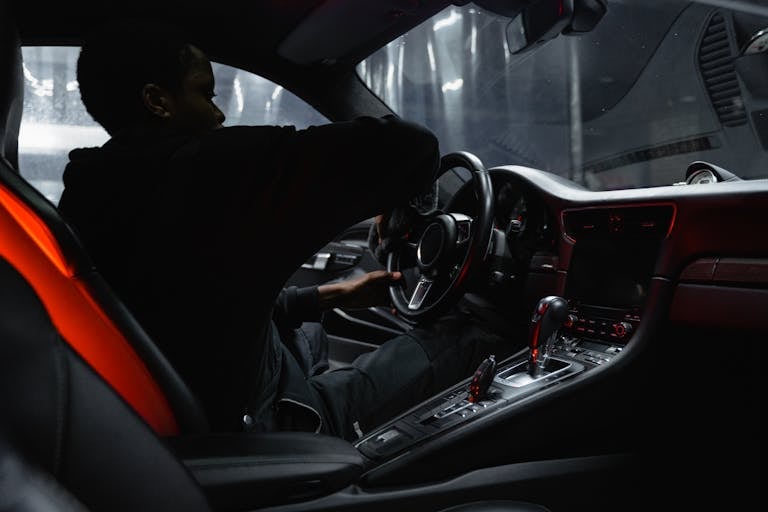
Americans often treat driving as a symbol of independence, and in many places, they have little choice. Suburbs, rural towns, highways, parking lots, and spread-out shopping centers make cars feel necessary. A person may need a vehicle for work, school, groceries, medical appointments, and family visits. That makes car dependence look normal inside the U.S.
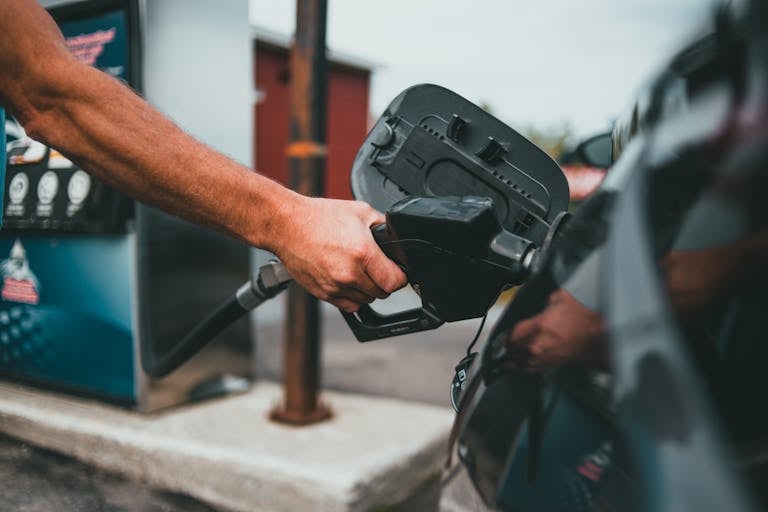
From the outside, the behavior can still seem excessive. In 2024, 69.2 percent of U.S. workers drove alone to work, showing how deeply daily life depends on cars. Other countries with stronger transit, walkable neighborhoods, and shorter distances may wonder why Americans accept so much driving as freedom. To them, a life built around gas, traffic, repairs, and parking may look less free than Americans claim.
Assuming American Rules Should Work Everywhere
One of the most irritating American behaviors abroad is acting surprised when another country does not work like the U.S. Smaller portions, slower meals, paid public bathrooms, fewer ice cubes, quiet Sundays, different traffic rules, direct communication, or limited air conditioning can all trigger complaints. The behavior suggests that American norms are the default, and everyone else is doing life incorrectly. That is where curiosity turns into arrogance.
Travel requires humility because every country has its own rules, habits, and expectations. Even Americans traveling overseas are reminded to follow local laws abroad, which points to a larger truth about respect. You cannot enter another culture and expect it to behave like a U.S. suburb. Other countries question American common sense when travelers confuse difference with inconvenience.
Conclusion
The sharpest criticism of American behavior is not that Americans are uniquely rude or foolish. It is that many habits are so normalized in the U.S. that people stop noticing how strange they can look elsewhere. Loud public conversations, custom orders, indoor shoes, burnout pride, tipping pressure, constant convenience, car dependence, and surprise at foreign customs all say something about how American life trains people to move through the world.
Some of these habits come from real pressure. Americans are often busy, tired, overcharged, overworked, and forced to solve daily problems quickly. That does not excuse every behavior, but it explains why convenience, control, and speed matter so much. When life feels expensive and rushed, people start defending habits that help them get through the day.
Still, common sense should travel better than pride. A little quiet, patience, humility, and awareness can change how Americans are received abroad and even how they treat each other at home. Which of these habits would bother you the most if you saw it from the outside?