Most people treat the fridge like a catch-all for every food item, but chilling isn’t always the best option. Certain staples lose flavor, spoil faster, or change texture when cold. Storing them incorrectly can turn a simple meal ingredient into a disappointing experience. Here’s a guide to 10 common foods that perform far better outside the refrigerator and how to store them for peak freshness.
Potatoes
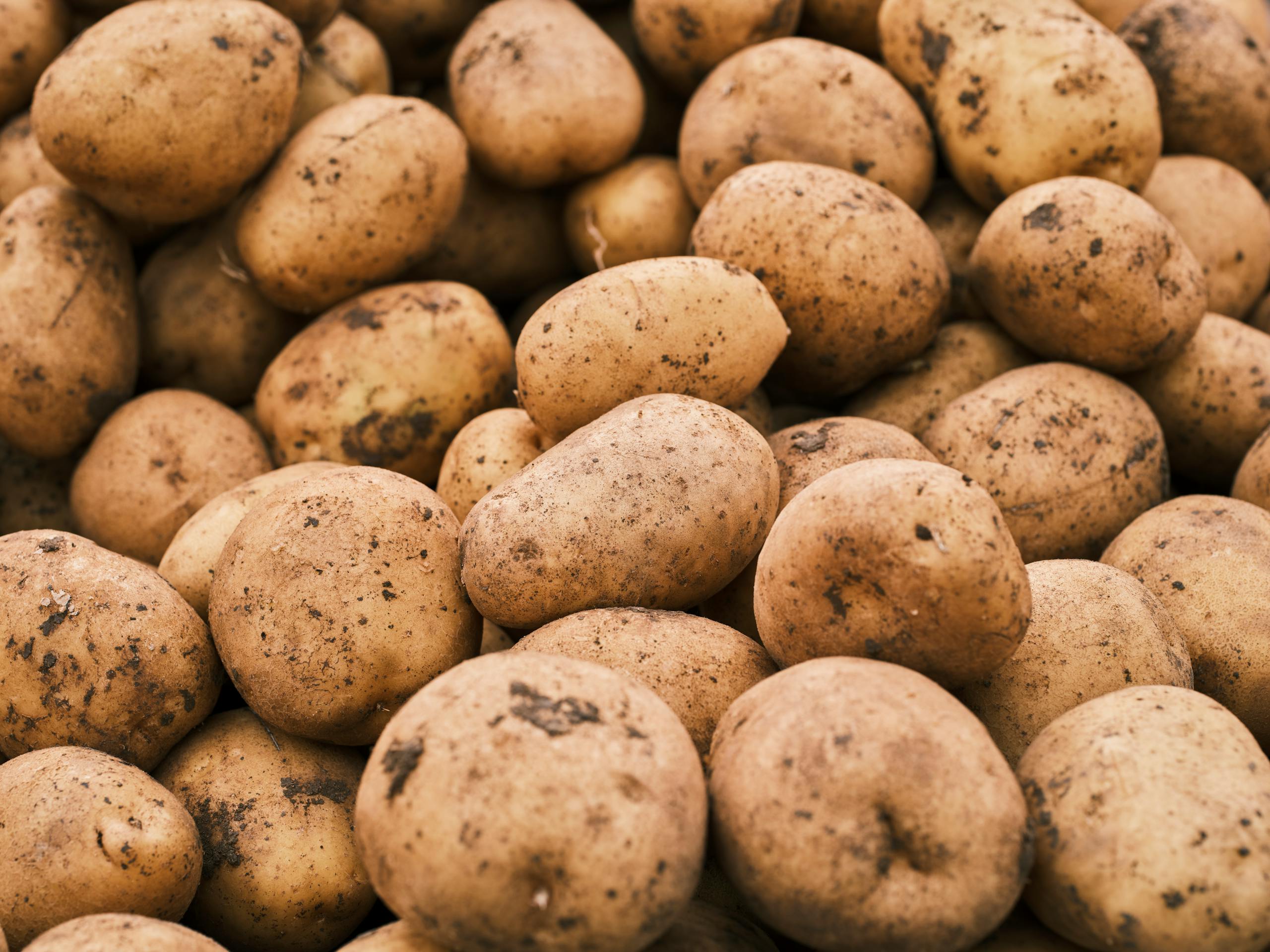
Cold transforms the starch in potatoes into sugar, creating a gritty texture, an unusual sweetness, and discoloration during cooking. High-heat cooking of these sugars also produces acrylamide, a potentially harmful compound. To preserve both texture and flavor, potatoes should be stored in a dark, cool, and ventilated area like a pantry or cellar, never in the fridge.
Tomatoes
Refrigeration damages tomato cell membranes, dulling aroma and flavor while producing a mealy texture. Whole tomatoes should remain at room temperature in a cool, shaded spot. Only sliced or cut tomatoes should be chilled, and even then, they must be consumed within a couple of hours to prevent spoilage.
Onions
Whole onions are highly sensitive to moisture. Refrigeration can soften layers, promote mold growth, and shorten shelf life. Cut onions can be stored in the fridge, wrapped loosely to prevent odor transfer, but whole onions thrive in a cool, dry, and ventilated pantry or cupboard. Proper airflow keeps them firm, crisp, and ready for cooking.
Garlic
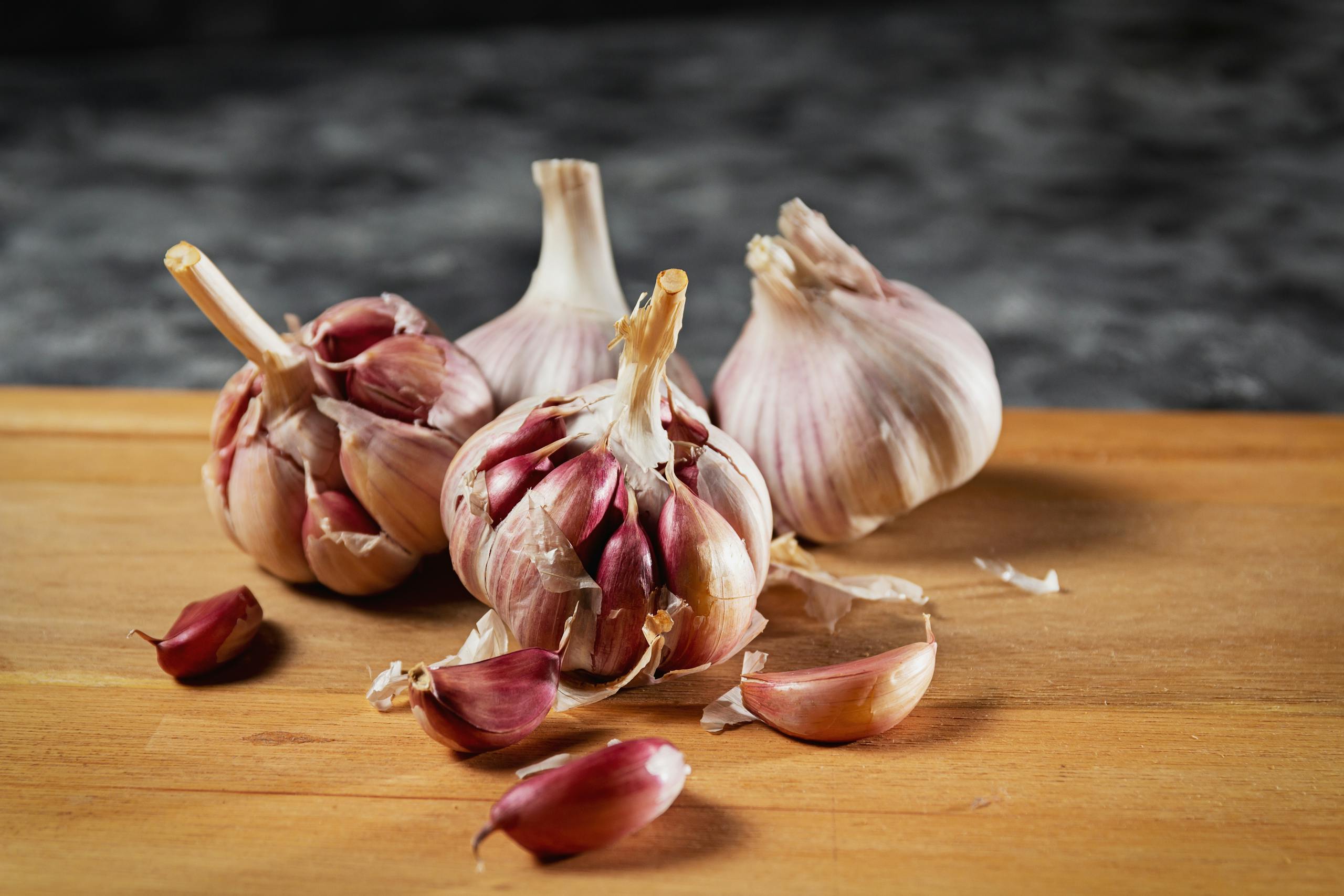
Garlic is surprisingly fragile in cold, damp conditions. Whole bulbs exposed to the fridge can sprout or become rubbery, while peeled cloves may absorb nearby odors and lose their sharp flavor. The ideal solution is a dry, ventilated space, such as a mesh bag or paper pouch, kept away from direct sunlight. This allows garlic to maintain its pungency and texture for months.
Unripe Avocados
Avocados require room temperature to ripen properly. Chilling them too early halts this process, leaving them hard, bland, and flavorless. Once fully ripe, they can be briefly refrigerated to slow further ripening, but until that stage, a countertop or fruit bowl away from direct heat is optimal.
Coffee Beans and Grounds
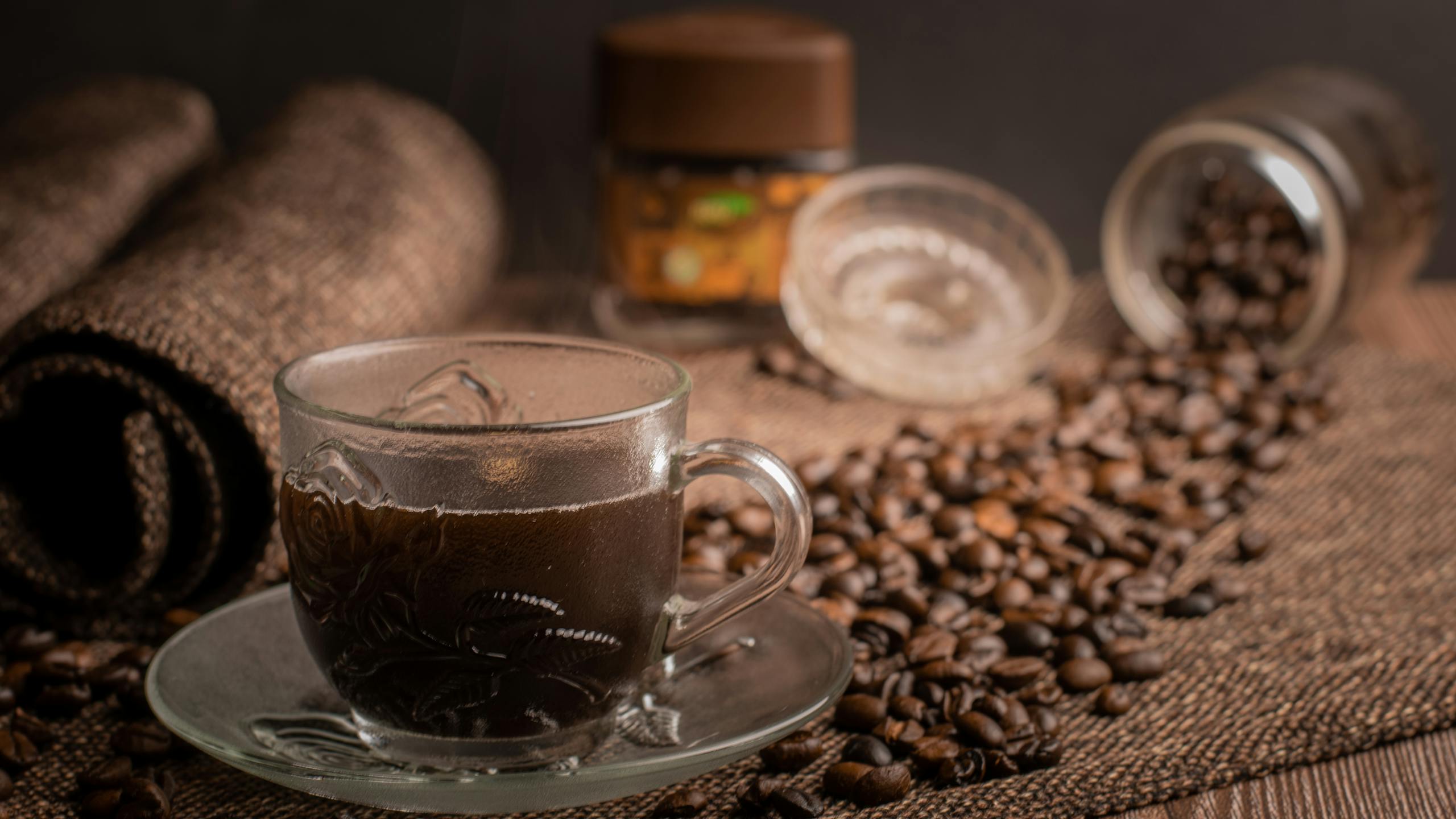
Coffee is highly sensitive to both moisture and odors. Refrigerators expose beans or grounds to fluctuating temperatures and nearby smells, which degrade flavor and aroma. 10 Everyday Foods You Should Never Keep in the Fridge. Store coffee in an opaque, airtight container in a cool, dark cabinet and consume within one to two weeks for optimal freshness.
Vinegar-Based Condiments and Hot Sauces
Many hot sauces, ketchup, and fermented condiments are naturally acidic or salty, which inhibits bacterial growth. Refrigeration is often unnecessary unless the label specifically instructs it. Pantry storage is sufficient, keeps flavors intact, and frees up valuable fridge space.
Bread

Although refrigeration may feel safer, it accelerates staling. Cold dries out the crumb, making bread firm and less enjoyable. For day-to-day use, bread should be kept in a bread box or sealed bag on the counter, away from sunlight and heat. Only in extremely hot or humid climates should refrigeration be considered to prevent mold.
Chocolate
Chocolate reacts poorly to cold. Temperature fluctuations can cause “bloom,” where sugar or fat crystals migrate to the surface, creating whitish streaks and altering texture. Cold storage also allows chocolate to absorb other odors. Wrap it carefully and store it in a cool, stable environment between 60–68 °F for the best flavor and texture.
Bananas

Bananas are highly sensitive to cold. Refrigeration halts ripening enzymes, darkens the skin, and leaves the flesh starchy. Store them on a countertop or hang them in a well-ventilated area. Once fully ripe, they can be briefly refrigerated to extend shelf life, but the skin will darken, even as the fruit remains edible.
How to Store These Foods Properly
Room-temperature storage requires control over moisture, airflow, and light. Ventilated baskets, dark cabinets, and separation from ethylene-producing fruits help prolong freshness. For ripening fruits like avocados or bananas, keep them away from ethylene-sensitive items to prevent premature decay.
Key Takeaways
Not every food thrives in the fridge. Garlic, onions, potatoes, tomatoes, unripe avocados, bread, coffee, chocolate, vinegar-based condiments, and bananas all maintain optimal flavor, texture, and shelf life when stored correctly outside cold storage.
By understanding each food’s natural preferences, households can reduce waste, enhance taste, and make kitchen management simpler. Proper non-refrigerated storage ensures ingredients remain fresh, flavorful, and ready to use without unnecessary space consumption in the fridge.