Most Americans can barely get through a workweek without worrying about bills, job stress, grocery prices, family drama, or the next headline screaming for attention. So it is strange to remember that some of the most powerful men in American history lived in a world where alcohol sat right beside politics, dinner, diplomacy, and even morning routines.
Today, a president photographed with one drink too many could trigger a national argument before sunset. A strange cocktail habit, a private liquor stash, or a business tied to booze would become instant cable-news fuel. The same habits that once looked normal, polished, or even presidential would now raise questions about judgment.
That is the fresh tension behind these stories. The issue is not just who liked whiskey, wine, cider, beer, or cocktails. It is how quickly American culture has changed around leadership, image, health, hypocrisy, and public trust.
Some of these presidents drank like men of their time. Others drank in ways that would look reckless, elitist, or politically tone-deaf now. Either way, their old habits would be hard to defend in the modern outrage machine.
George Washington’s Whiskey

George Washington’s alcohol story goes far beyond a casual glass at dinner. His Mount Vernon distillery produced nearly 11,000 gallons of whiskey in 1799, turning the first president into a major name in early American spirits production. That was not a tiny hobby tucked away on an estate. It was a serious business tied to land, labor, farming, and status.
In modern politics, that detail would be explosive. A president connected to a whiskey operation would face questions about conflicts of interest, branding, influence, and who benefits from the office. Washington’s story shows how early America treated alcohol as part of commerce and hospitality, but today it would read like a scandal waiting for a Senate hearing.
Harry Truman’s Morning Bourbon
Harry Truman’s reported morning routine sounds almost unreal to modern readers. At the Little White House, his daily schedule noted that he began the day with a shot of bourbon, followed by orange juice, before taking a brisk walk. In his own era, the habit could be framed as doctor-approved and disciplined.
Today, it would be a public image disaster. “Morning bourbon” would trend instantly, and every panel show would ask whether the president was fit, stressed, or hiding something. Truman’s case is fascinating because he was not remembered as a chaotic party figure. He was remembered as blunt, steady, and hard-working, which makes the habit feel even more jarring now.
Thomas Jefferson’s Wine
Thomas Jefferson’s love of wine matched his polished image as a diplomat, thinker, and man of refinement. At Monticello, even the dining room reflected that taste, with a wine dumbwaiter system that helped move bottles from the cellar below. It was clever, elegant, and very much part of the world Jefferson wanted guests to see.
But modern readers would not stop at elegance. They would ask who built that comfort, who served it, and how it fit beside Jefferson’s debt and slavery. His drinking story is not just about wine. It is about how luxury can become uncomfortable when it sits beside moral contradiction, and that tension would be impossible to ignore today.
Warren Harding’s Prohibition-era drinking
Warren Harding’s drinking image carries a special kind of political damage because of the timing. He served during Prohibition, when ordinary Americans were supposed to live under a national alcohol ban. Stories about alcohol inside his social world made him look like the kind of leader who enjoyed private exceptions to public rules.
That is the nightmare version of modern politics. A president associated with drinking during a national ban would face accusations of hypocrisy before anyone even reached the policy debate. Harding already struggled under the weight of scandal and weak leadership. Add secretive drinking to the mix, and his image becomes even harder to rescue.
Franklin Roosevelt ‘s Beer
Franklin D. Roosevelt understood that alcohol could carry a national mood. In 1933, he signed legislation allowing beer and wine with up to 3.2 percent alcohol, giving Americans an early break from Prohibition before full repeal arrived later that year. For a country crushed by the Great Depression, beer became more than a drink. It became relief, revenue, work, and a small sign that the old restrictions were cracking.
That makes FDR’s alcohol story different from the others. His risk was not so much personal embarrassment as political symbolism. He knew a simple drink could send a message to tired Americans who wanted jobs, pleasure, and a normal life back. Today, that move would be analyzed as a culture-war strategy, economic messaging, and campaign theater all at once.
John Adams’ Hard Cider
John Adams lived in an America where alcohol was woven into everyday life in ways that would surprise many people today. Hard cider was common, especially in New England, and it did not carry the same social alarm that morning alcohol would carry now. What sounds risky today could look ordinary in the world of farms, taverns, long travel, and limited clean beverage options.
That difference is exactly why Adams belongs on this list. A modern president starting the day with hard cider would not be defended as historically normal. It would become a health story, a leadership story, and a character story all at once. Adams reminds us that public judgment does not just depend on what someone does. It depends on the century you’re watching them.
James Buchanan’s Wine Cellar
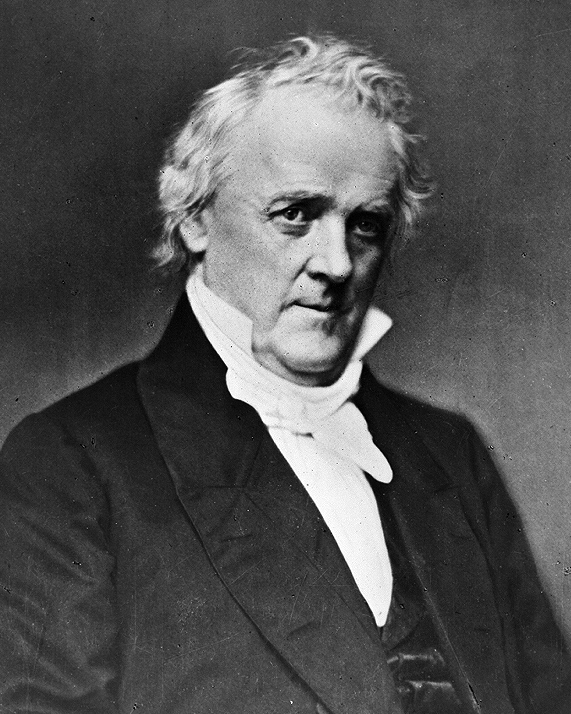
James Buchanan already has one of the bleakest presidential reputations in American history. He is often remembered as a leader who failed to address the crisis tearing the country apart before the Civil War. His taste for Madeira, sherry, and whiskey adds another layer to that image, even if drinking itself was common among men of his class and era.
The problem is symbolism. When a president is remembered as passive during a national breakdown, every personal comfort starts to look worse. Buchanan’s wine and whiskey habits would not be treated as harmless taste today. They would become part of a larger portrait of a man, surrounded by old-world ease, as the country moved toward disaster.
John F. Kennedy’s Cocktail
John F. Kennedy’s drinking image matched the style of his White House. Cocktails, imported beer, glamour, sharp clothes, famous guests, and a carefully managed public persona all blended into the Kennedy myth. For many Americans, that world looked exciting, youthful, and sophisticated.
Modern readers would be less forgiving. They would ask what the glamour hid, how much image-building shaped the story, and why powerful men so often get their indulgences softened by charm. Kennedy’s drinking habits would not just be described as stylish today. They would be folded into a bigger conversation about privilege, secrecy, masculinity, and the things Americans excuse when a leader looks good on camera.
Lyndon Johnson’s Scotch
Lyndon Johnson’s drinking image fits his personality almost too well. He was big, forceful, intimidating, and famous for turning conversations into pressure campaigns. A drink in Johnson’s world did not feel like a private preference. It could feel like part of the performance, part of the negotiation, and part of the power play.
That is what would make it risky today. Modern audiences are far more alert to workplace pressure, blurred boundaries, and bosses who dominate every room. Johnson’s scotch habit would not simply be treated as a president enjoying a drink. It would invite questions about culture, control, and whether people around him felt free to say no.
Ulysses S. Grant’s Drinking Label
Ulysses S. Grant may be the clearest example of how a drinking reputation can outgrow the facts. His enemies and critics used alcohol rumors against him, and the image followed him through military fame, politics, and history. The truth remains more complicated than the lazy caricature of a constantly drunk general or president.
That is what makes Grant’s story feel so modern. A label can travel faster than context, and once the public attaches a weakness to a leader, nuance struggles to catch up. Grant’s reputation shows how alcohol can become a political weapon, a moral judgment, and a permanent stain. If that happened in today’s media climate, would the facts even matter?