Property tax relief sounds like the kind of promise every homeowner wants to hear. A lower bill. More breathing room. Less fear that a paid-off home can still feel like a monthly debt trap.
But across the country, a more uncomfortable question is rising behind the applause. If states eliminate or sharply reduce property taxes for homeowners, what happens to schools, fire departments, police, road repairs, libraries, trash service, and local emergency response?
That is where the story gets more serious. The property tax revolt may look like relief on the surface, but in several states, the real cost could return in the form of higher sales taxes, new fees, weaker services, school budget pressure, or bigger bills for renters and small businesses.
We are now watching a national experiment unfold in real time. These 10 states are moving toward property tax cuts, caps, credits, or full elimination debates, and homeowners may soon learn that killing one tax does not always kill the bill.
Florida’s Property Tax Promise Comes With a Local Services Warning
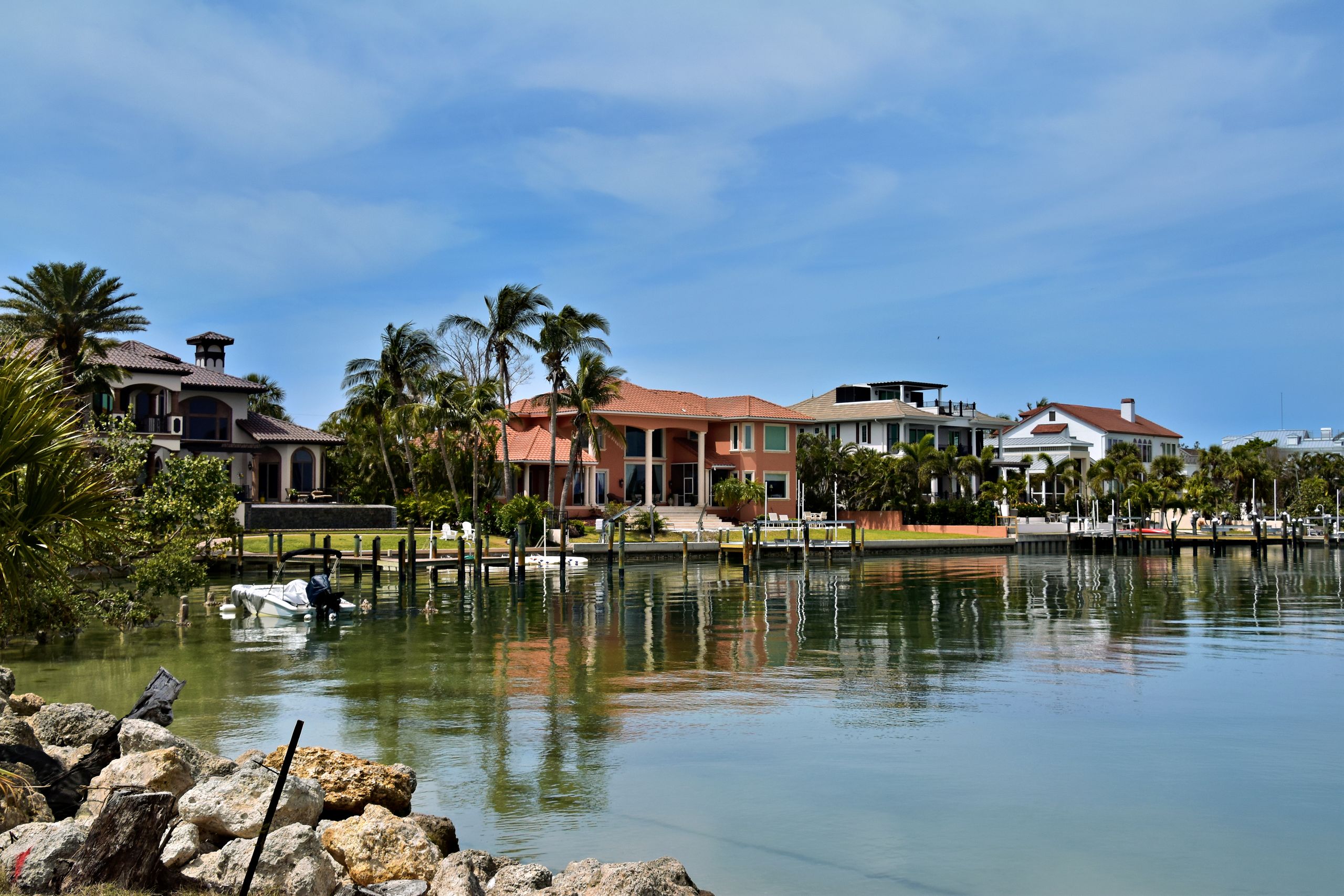
Florida has become one of the loudest states in the property tax debate. The pitch is easy to understand because homeowners are tired of rising assessments, insurance pressure, and housing costs that keep climbing, even after the mortgage is already painful.
The latest proposal would increase the homestead exemption and move Florida closer to eliminating certain non-school property taxes on primary homes. For many residents, especially retirees and long-term homeowners, that sounds like a direct answer to years of frustration.
The problem is that Florida has no state income tax, which means counties and cities depend heavily on other revenue streams. If local governments lose a large share of property tax revenue, the money may have to come from elsewhere.
That somewhere else could be higher local fees, more sales tax pressure, trimmed services, delayed road projects, or tighter emergency response budgets. In other words, homeowners may see one bill shrink while another cost quietly grows.
Florida’s debate may become a national test case. It asks whether a fast-growing state can reduce homeowner taxes without weakening the local systems that make neighborhoods livable.
Texas Is Spending Billions, But the Math May Not Stay Friendly
Texas has already poured major money into property tax relief. State leaders have used school tax compression and larger homestead exemptions to lower the burden on homeowners, and many Texans have welcomed that help.
The scale is enormous. Texas lawmakers have committed tens of billions of dollars to property tax cuts in recent budget cycles, with much of the strategy relying on state funds to reduce pressure from school property taxes.
That approach can work when the state has strong revenues and budget flexibility. However, the risk appears when the economy cools, energy markets shift, sales tax collections soften, or lawmakers face another expensive priority.
If the state continues to replace local property taxes with state dollars, future budgets may carry a heavy recurring obligation. If that funding becomes harder to sustain, Texas could face a difficult choice between more tax shifts, slower relief, or pressure on public services.
The negative angle for homeowners is simple. Relief funded by a strong economy can feel permanent, but it may become fragile if the state’s budget picture changes.
Indiana’s Relief Push Could Squeeze Local Budgets
Indiana has already moved on to property tax relief, and the political appetite for deeper cuts remains strong. For homeowners whose assessments jumped, the pressure feels personal.
The worry is that local governments do not run on slogans. Cities, towns, counties, schools, and emergency departments need predictable money to plan staffing, equipment, building repairs, and public services.
When property tax collections shrink quickly, local leaders may have fewer choices. They can delay projects, reduce services, seek new fees, or push more costs into other taxes.
That is why Indiana’s debate carries a sharper edge than a simple homeowner relief story. The state is not just deciding whether residents deserve lower property tax bills. It is deciding how much strain local communities can absorb before residents notice the cuts.
For many homeowners, the tradeoff may not show up immediately. It may appear later in longer response times, larger class sizes, fewer local programs, or higher charges for services that once felt routine.
North Dakota’s Oil-Backed Relief Still Carries Risk

North Dakota has one advantage that many states do not have. It can lean on energy-linked resources and state funds to offer larger property tax credits for primary residences.
The state’s Primary Residence Credit has already helped many homeowners reduce their property tax burden. For some households, the credit can wipe out a large part of the bill, which makes North Dakota one of the most aggressive states in the relief conversation.
Still, the hidden risk is volatility. Energy-tied revenue can rise and fall, and long-term relief programs need long-term funding.
If oil revenue weakens or state priorities shift, North Dakota may have to decide whether to keep expanding relief, slow the program, or find another funding source. That uncertainty matters because homeowners often make financial plans around tax expectations.
North Dakota’s approach may be more carefully funded than some repeal ideas, but it still proves a larger point. Property tax relief only feels secure when the replacement money is secure, too.
Montana Is Shifting the Burden Toward Second Homes
Montana took a different path. Instead of simply cutting taxes across the board, the state moved toward lower rates for primary residences and long-term rentals while placing heavier pressure on second homes and short-term rentals.
For full-time residents in fast-growing communities, that may feel fair. Many Montanans have watched outside money, vacation homes, and short-term rental demand drive up local prices.
But the policy also creates a new fight over who pays more when homeowners pay less. Second-home owners, vacation property investors, landlords, and some rental operators may argue that the state is turning them into the backup wallet.
There is also a possible impact on renters. If landlords face higher costs on properties that do not qualify for relief, some may try to pass part of that burden into rents where the market allows.
Montana’s plan is politically powerful because it protects resident homeowners. However, it also shows that property tax relief often does not erase the cost. It redirects the cost toward another group.
Wyoming’s 25 Percent Cut Raises a Bigger Question
Wyoming approved a 25 percent property tax cut for homeowners on qualifying residential property. For residents whose tax bills rose with home values, the cut may feel overdue.
Yet the problem is what happens to the local budgets that relied on that revenue. Property taxes help fund public safety, education, roads, libraries, and local government operations.
When a state cuts that revenue without a full replacement plan, local communities may have to operate with less or seek other ways to raise revenue. That can create tension between state-level tax promises and county-level service realities.
Wyoming also shows why replacing property taxes with sales taxes can be controversial. Sales taxes hit people every time they buy goods and services, and they can weigh more heavily on lower-income families.
A homeowner may celebrate a smaller annual tax bill but still pay more through everyday purchases, fees, or weaker public services. That is the tradeoff voters need to see clearly.
Ohio’s Elimination Push Could Shake Schools and Local Services

Ohio has become one of the most intense property tax battlegrounds in the country. Grassroots activists and political figures have pushed for major reforms, including proposals that would eliminate property taxes altogether.
The emotional argument is strong. No homeowner wants to feel that rising taxes could threaten the house they worked years to buy. Retirees and fixed-income households feel that pressure most sharply.
But Ohio’s local governments and schools rely heavily on property tax revenue. Removing that money without a trusted replacement plan could create a serious funding shock.
That shock could affect classrooms, public safety, libraries, parks, infrastructure, and county services. Even if voters support relief, they may resist the consequences if those cuts touch their daily lives.
Ohio’s property tax fight is not only about homeowners. It is about whether communities are willing to give up a stable local funding source before they know exactly what replaces it.
Georgia’s Homeowner Relief Plan Could Shift Costs Into Fees
Georgia Republicans have proposed phasing out property taxes on primary residences. The idea connects with homeowners who feel punished by rising values even when they have no plan to sell.
The plan sounds especially attractive in fast-growing counties where assessments can rise faster than household income. For many families, the home becomes more valuable on paper while the monthly budget remains tight.
But eliminating property taxes on primary homes would force cities, counties, and schools to rethink how they pay for local services. Some proposals have discussed shifting more costs into direct service charges or requiring voter approval for certain local funding needs.
That may create a confusing future for homeowners. The tax bill may fall, but the local service bill may become more visible.
Georgia’s debate has a clear warning. A property tax cut may look clean on campaign material, but homeowners could later face a more complicated menu of fees, service charges, and local funding votes.
Nebraska’s Big Tax Overhaul Could Change Everything
Nebraska’s anger over property taxes has fueled sweeping ideas. The EPIC-style effort has aimed to eliminate property, income, and inheritance taxes and move the state toward a consumption-based tax structure.
That is one of the boldest proposals in the country. It does not simply trim a homeowner’s bill. It would remake how state and local governments collect money.
Supporters see it as a way to end the cycle of rising property tax pressure. Critics worry that a broad consumption tax could shift more costs onto everyday purchases and create uncertainty for public services.
The risk is scale. A small property tax credit can be adjusted. A statewide tax overhaul can reshape schools, counties, cities, business costs, family budgets, and local planning all at once.
Nebraska’s debate may attract frustrated homeowners, but the details matter more than the slogan. The real question is not whether people dislike property taxes. They do. The question is who pays after those taxes disappear.
Michigan Shows How Hard Repeal Really Is

Michigan offers a different lesson. A group pushing to abolish property taxes failed to qualify for the 2026 ballot after falling short of the required signatures.
That failure does not mean the issue is dead. It means property tax anger is easier to build online than to turn into a legally viable statewide campaign.
Michigan homeowners still worry about rising costs, assessments, and the pressure of staying in a home long term. However, a successful repeal campaign needs organization, money, signatures, legal clarity, and a replacement plan that voters can trust.
The Michigan case is important because it shows the limits of the movement. Many people want relief, but fewer are ready to approve a blank check approach that removes local revenue without a clear answer.
For homeowners in other states, Michigan is a warning. Property tax elimination may sound simple, but building a workable system after repeal is the hard part.
Why Property Tax Elimination Could Backfire
The downside of eliminating property taxes is not that homeowners do not need help. Many clearly do. The problem is that property taxes fund services people still expect to receive.
Schools still need teachers. Fire departments still need equipment. Police departments still need staffing. Roads still need repair. Libraries, parks, courts, trash systems, emergency medical services, and county offices still need operating money.
If property taxes fall, states have only a few broad choices. They can replace the revenue with state dollars, raise other taxes, create new fees, shift costs to businesses or renters, or cut services.
None of those choices is painless. Higher sales taxes can hit working families. New fees can surprise homeowners. Business tax hikes can be passed on to prices. Service cuts can reduce quality of life.
That is why the property tax revolt deserves a closer look. The headline may promise relief, but the fine print may decide whether homeowners truly save money or simply pay in a different form.
The Real Question Homeowners Should Ask
The property tax revolt is powerful because it speaks to a real fear. People do not want to lose financial security because the value of their home has risen on paper.
But the strongest relief plans will need more than anger. They will need honest replacement funding, protection for vulnerable homeowners, safeguards for schools, and clear limits on new fees or hidden tax shifts.
Florida, Texas, Indiana, North Dakota, Montana, Wyoming, Ohio, Georgia, Nebraska, and Michigan are all showing different versions of the same conflict. Homeowners want relief, but communities still need money to function.
That is why the next property tax debate should not stop at one question. It should not only ask whether homeowners deserve lower bills.
It should also ask what happens the morning after the tax disappears.