You might think vegetables are the safest thing you can eat in America’s kitchens, but some veggies become brutally dangerous when misused or prepared incorrectly. Many everyday plants contain natural toxins that protect them from pests and can harm humans if handled or consumed the wrong way.
FYI, knowing which vegetables pose hidden risks keeps you safe and makes your meals healthier, but it also makes you rethink that innocent salad sometimes.
It’s wild to think food can hurt you this way, right? Some of these items even require careful preparation, or they explode into dangerous compounds that can be fatal. Let’s explore the vegetables that have caused serious harm when misused and how to avoid becoming a cautionary tale yourself.
Raw Kidney Beans That Poison

Kidney beans contain a natural toxin called lectin, especially in red varieties. If beans are eaten raw or cooked improperly, this lectin can cause severe nausea, vomiting, and diarrhea that can be brutal on the body. Eating them without soaking and boiling thoroughly has caused serious food poisoning episodes.
Cooking beans correctly destroys most of the toxin, making them safe to eat. Many people skip proper prep to save time, but this shortcut is far from worth the risk. An undercooked batch can turn a healthy dinner into a dangerous ordeal.
Even though kidney beans are a classic staple in soups and salads, ignoring safe preparation practices is a recipe for a food hazard. Red beans demand respect if you want harmless comfort food rather than an emergency room story.
Green or Sprouted Potatoes
Potatoes are everyday dinner fare, but their green or sprouted parts contain toxic glycoalkaloids. These natural compounds can interfere with nerve function and cause nausea, headaches, and other severe reactions if eaten in large amounts. The worst part is that cooking does not fully eliminate these toxins.
You have probably seen green spots on a potato and thought it was just cosmetic, but that coloring is a red flag for danger. Green or sprouting potatoes are not worth the risk, no matter how hungry you are.
Americans often overlook this subtle warning because potatoes are so common in meals and snacks. Removing green parts and sprouts thoroughly, or avoiding them entirely, is the only safe option.
Cassava’s Cyanide Threat
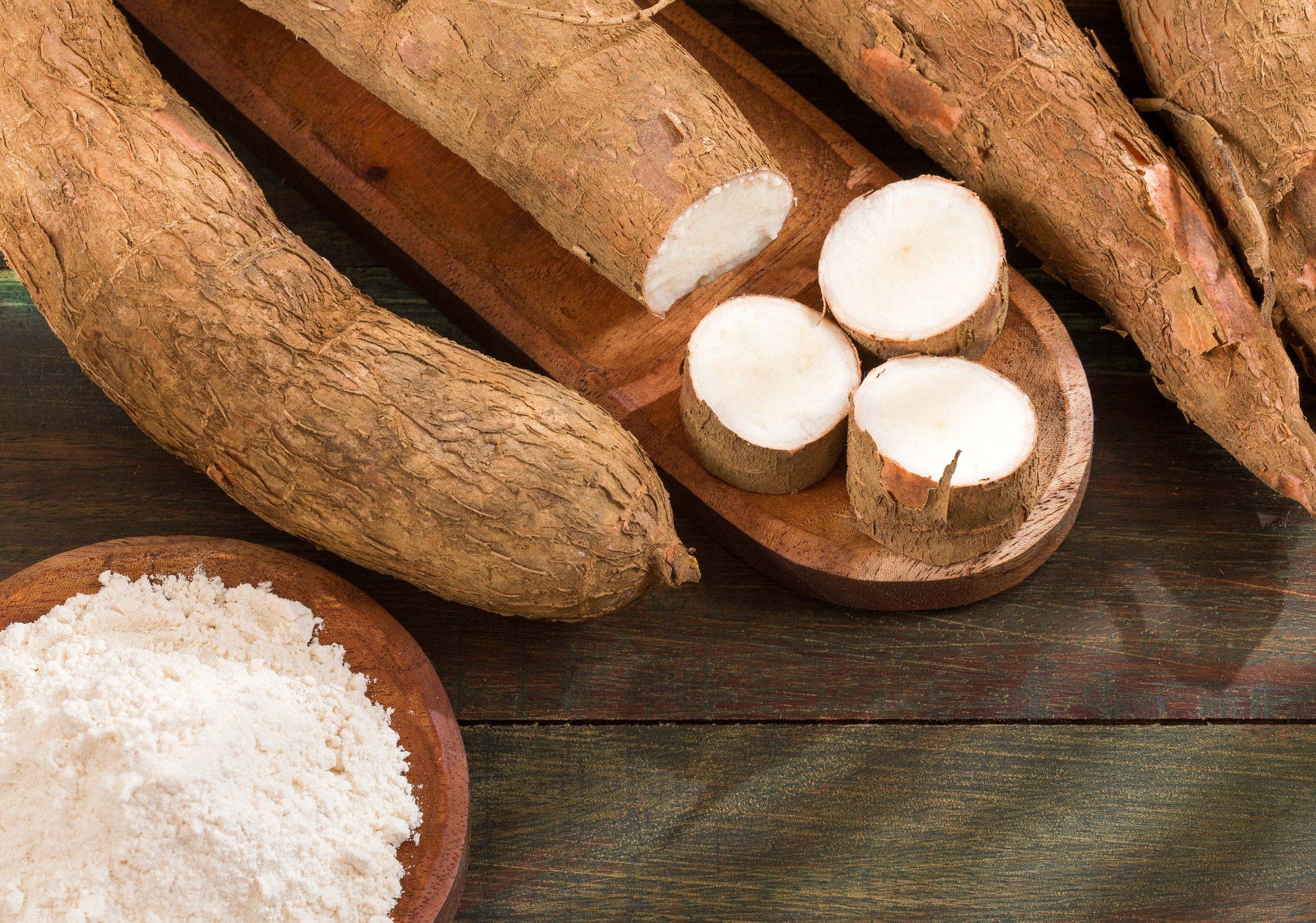
Cassava, also called yuca, is a root vegetable that contains cyanogenic glycosides. When eaten raw or underprocessed, these compounds release poisonous hydrogen cyanide in the body, which can cause dizziness, nausea, and severe poisoning symptoms. In the worst cases, too much cyanide can be fatal.
This vegetable is a dietary staple in many parts of the world, but it must be thoroughly soaked and heated to be safe. Sweet varieties are safer, but bitter cassava demands meticulous preparation before consumption.
Eating improperly prepared cassava turns a versatile ingredient into a dangerous gamble. The risk is real enough that health organizations around the world recommend careful processing before you ever cook with this root.
Rhubarb Leaves Contain Oxalates
Rhubarb stalks are tangy and delicious, but their leaves are full of toxic oxalic acid. This compound can cause vomiting, breathing problems, and even kidney damage when ingested. Most modern cooks throw away the leaves, but the danger still catches some people off guard.
The red stalks are perfectly fine and often used in pies and compotes, but the leaves have no place on your plate. Even a small amount of oxalic acid can hurt your body and lead to severe health issues.
Americans who plant rhubarb at home need to be vigilant about removing and discarding leaves safely. It’s a classic example of a vegetable that is both safe and potentially deadly, depending on how you handle it.
Bitter Zucchini
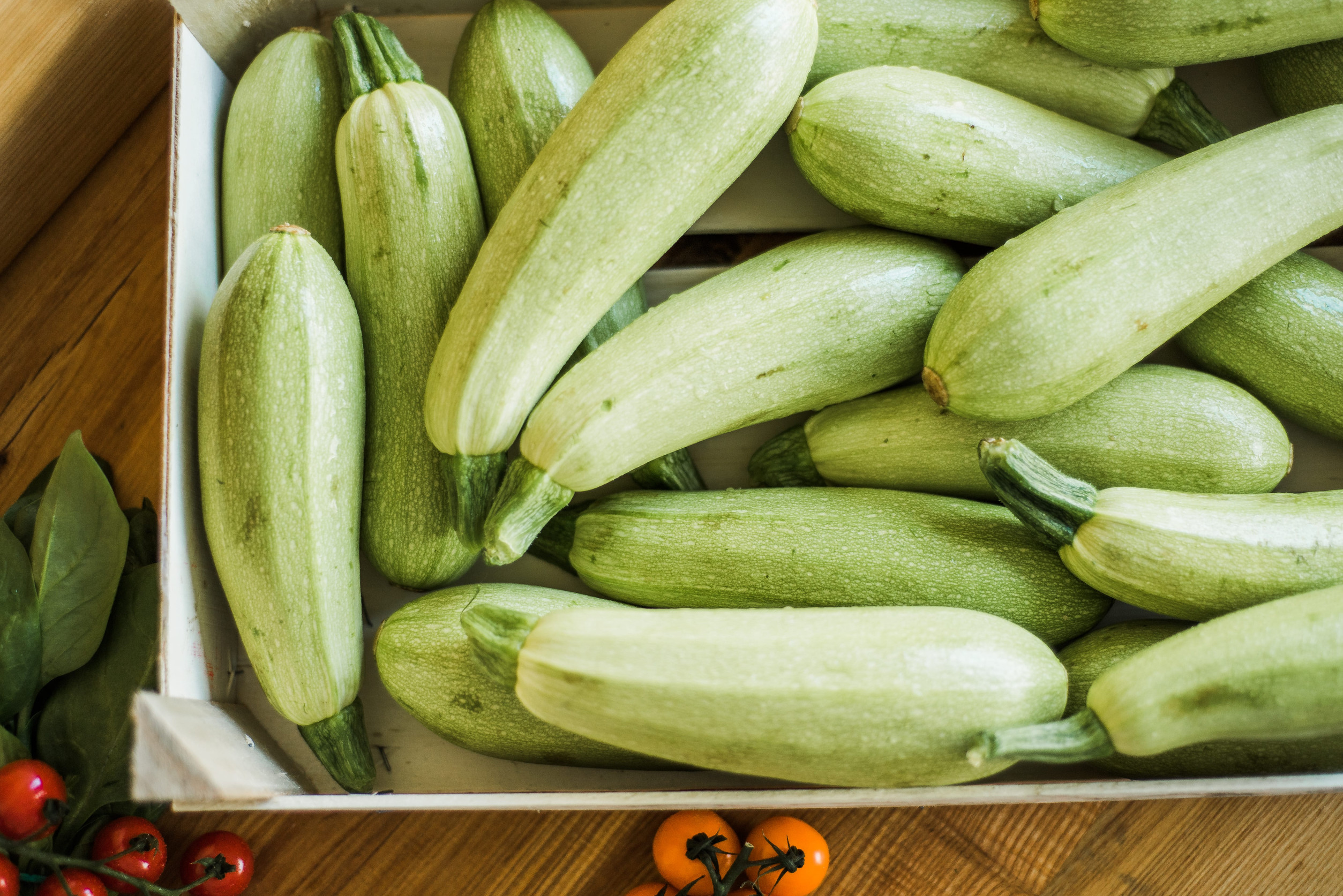
Zucchini seems like the poster child for healthy eating, but bitter‑tasting squash may contain toxic cucurbitacins. These compounds cause cramps, vomiting, diarrhea, and collapse when eaten. While rare in grocery store produce, they can show up, especially if the plant was stressed during growth.
You can actually taste the danger. A bitter zucchini is a clear signal to avoid eating it. That flavor means the plant’s natural defenses have kicked into high gear, and it might be toxic.
Not all courgettes are harmful, but following your taste buds is smart. Throwing away a bitter one could save you from unpleasant symptoms or worse.
Raw Eggplant
Eggplant is safe when cooked, but eating it raw can expose you to solanine, the same toxin found in potatoes. Raw eggplant may cause mild nausea and digestive discomfort, especially in sensitive individuals. Though serious cases are rare, the risk grows when large amounts are consumed uncooked.
Solanine levels drop significantly when cooked, which is why traditional recipes always call for heat. Raw slices on a salad may seem harmless, but they can cause an unpleasant reaction.
This is one of those foods where taste and safety align because cooked eggplant simply tastes better. Eating it prepared the right way protects both flavor and health.
Wild Mushrooms Masquerading as Veggies

Many people call mushrooms vegetables, though they are technically fungi, and some wild varieties can be horrifyingly toxic. Poisonous mushrooms contain compounds that attack the liver or nervous system, leading to severe illness or death. Without expert knowledge, foraging for wild mushrooms is extremely risky.
Even some edible mushrooms require thorough cooking to avoid other food safety issues. The safest path is skipping wild mushrooms unless you are absolutely certain of their identity.
Americans fascinated by the foraging culture should approach it with caution. A misidentified mushroom can turn a hobby into a health crisis in a matter of hours.
Parsnips and Phototoxic Effects
Parsnips contain natural toxins called furocoumarins, which are released when the plant is stressed. These compounds can cause skin reactions in sunlight and stomach upset when eaten in large quantities raw. Though not typically fatal, they can trigger severe irritation and gastrointestinal distress.
Cooking usually reduces these toxins, making parsnips safe to enjoy. If your parsnips look bruised or damaged, peeling and proper preparation are important.
Ignoring prepping steps or eating them raw increases the likelihood of unpleasant reactions. Parsing them thoughtfully keeps this hearty root vegetable safe and enjoyable.
Certain Bean Varieties Without Prep
Beans beyond just kidney beans can carry dangerous lectins if not soaked and cooked properly. Raw or underprepared beans cause severe nausea and GI distress, and cases of serious toxicity are well-documented among unprepared legumes.
Soaking and boiling beans thoroughly neutralizes these harmful proteins and makes them digestible. Quick cooking shortcuts are tempting but dangerous.
This caution applies broadly to legumes we consider safe. Proper handling should be nonnegotiable, not optional.
Excessive Oxalate Vegetables
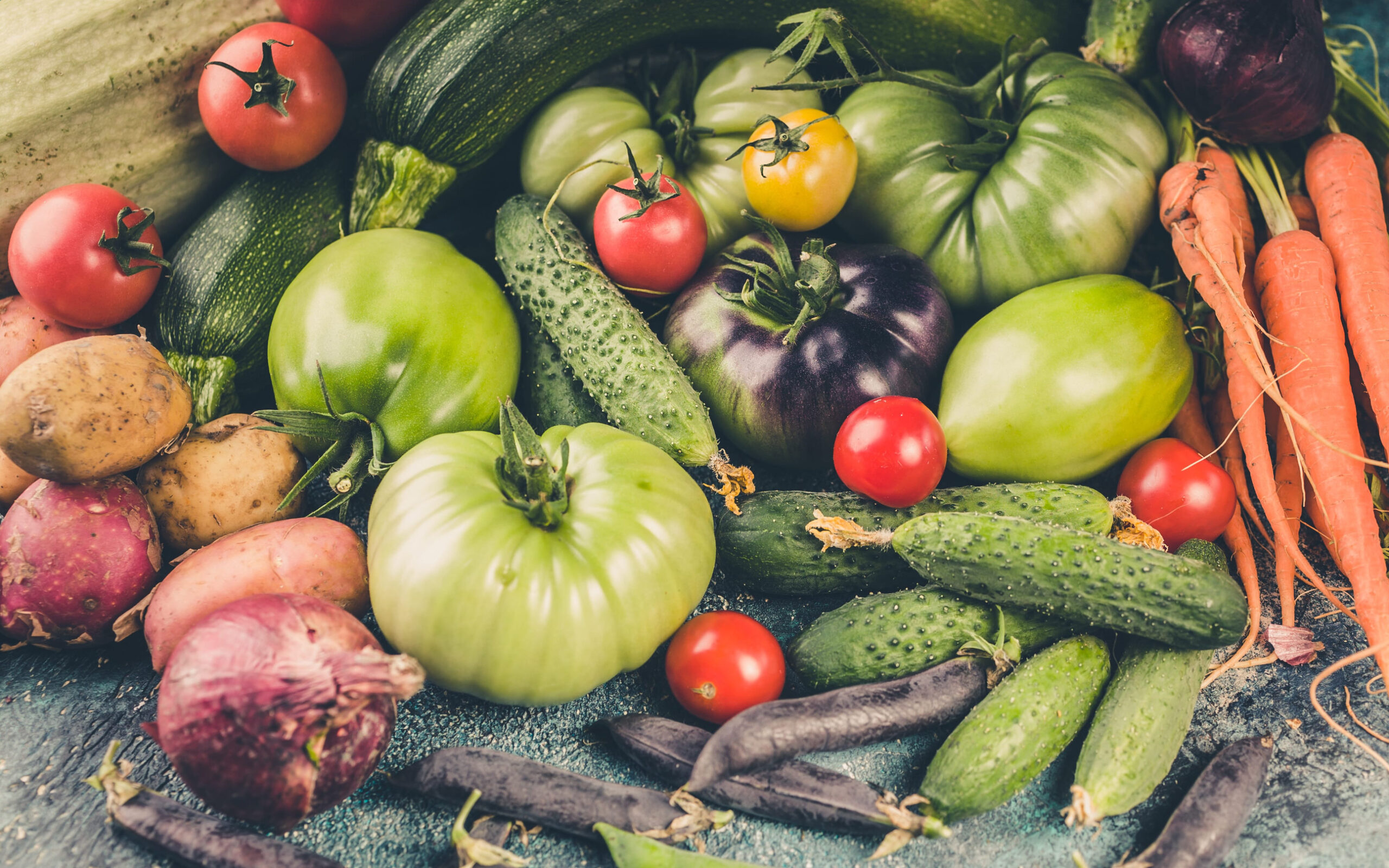
Some greens and stalks contain high levels of oxalates, which can bind minerals and lead to kidney stone formation in susceptible people. Eating large amounts of raw spinach or beet greens may pose risks for those prone to oxalate buildup. This is less about instant toxicity and more about chronic health impact for specific individuals.
Oxalates are common in many leafy greens, so moderation and balance matter. Cooking can reduce oxalate content slightly, but high intake remains risky for some people.
Americans with kidney issues should pay attention to these natural compounds. Not all veggie dangers are dramatic, but quietly damaging health over time counts as brutal, too.
Conclusion
The ten brutal vegetables that can kill if misused show just how complicated food safety can be, even with plants we assume are always safe. From dangerous lectins and cyanide risks to oxalates and rare fungal toxins, your vegetable drawer may hold more potential danger than you think.
The key lesson is that awareness and careful preparation protect your health better than blind trust in anything labeled healthy. Simple habits like discarding green potatoes, cooking beans properly, and avoiding raw cassava or rhubarb leaves prevent most hazards.
Vegetables should nourish you, not put you at risk of severe illness or worse. Taking time to prepare and understand what you eat makes all the difference between a vibrant plate and a dangerous one.