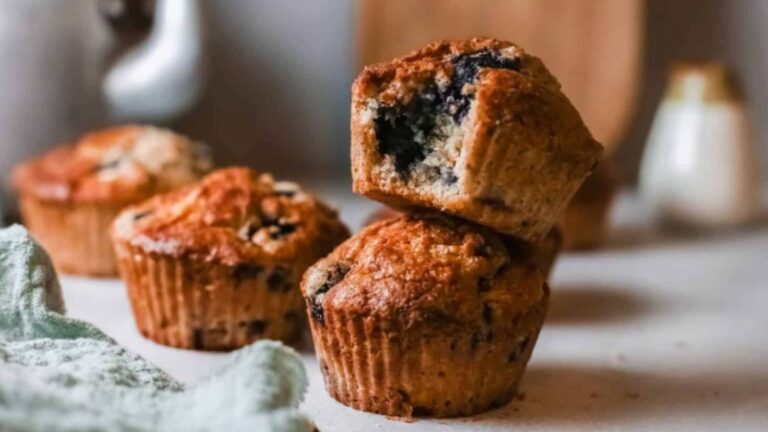
Some foods do not simply taste good. They seem to call from the kitchen after dinner, whisper from a drive-thru menu, and somehow convince us that “just one bite” was a fantasy from the beginning. We are not weak because pizza, fries, chocolate, chips, and ice cream feel hard to resist. Many of these foods are built around a powerful mix of refined carbohydrates, fat, salt, speed, texture, smell, and reward.
Food addiction remains a debated term because food is necessary for life and cannot be treated exactly like alcohol, nicotine, or cocaine. Still, researchers have found that some highly processed foods can produce addictive-like eating patterns in certain people, including cravings, loss of control, repeated failed attempts to cut back, and continued eating despite negative effects. The strongest concern is not ordinary hunger. It is the way ultra-processed foods can push the brain’s reward system harder than whole foods usually do.
Pizza

Pizza often ranks near the top of addictive-food discussions because it combines nearly every trigger in one slice. The crust brings refined carbohydrates, the cheese brings fat and salt, the sauce adds sweetness and acidity, and toppings can pile on more salt, fat, and smoky flavor. It is also easy to eat quickly, especially when the crust is soft, hot, and folded in the hand.
We also connect pizza with comfort, celebration, late nights, parties, and low-effort meals. That emotional memory gives it even more power. The problem is not that one slice ruins a diet. The problem is that pizza can make stopping at one slice feel strangely difficult, especially when hunger, stress, and habit are already in the room.
Chocolate
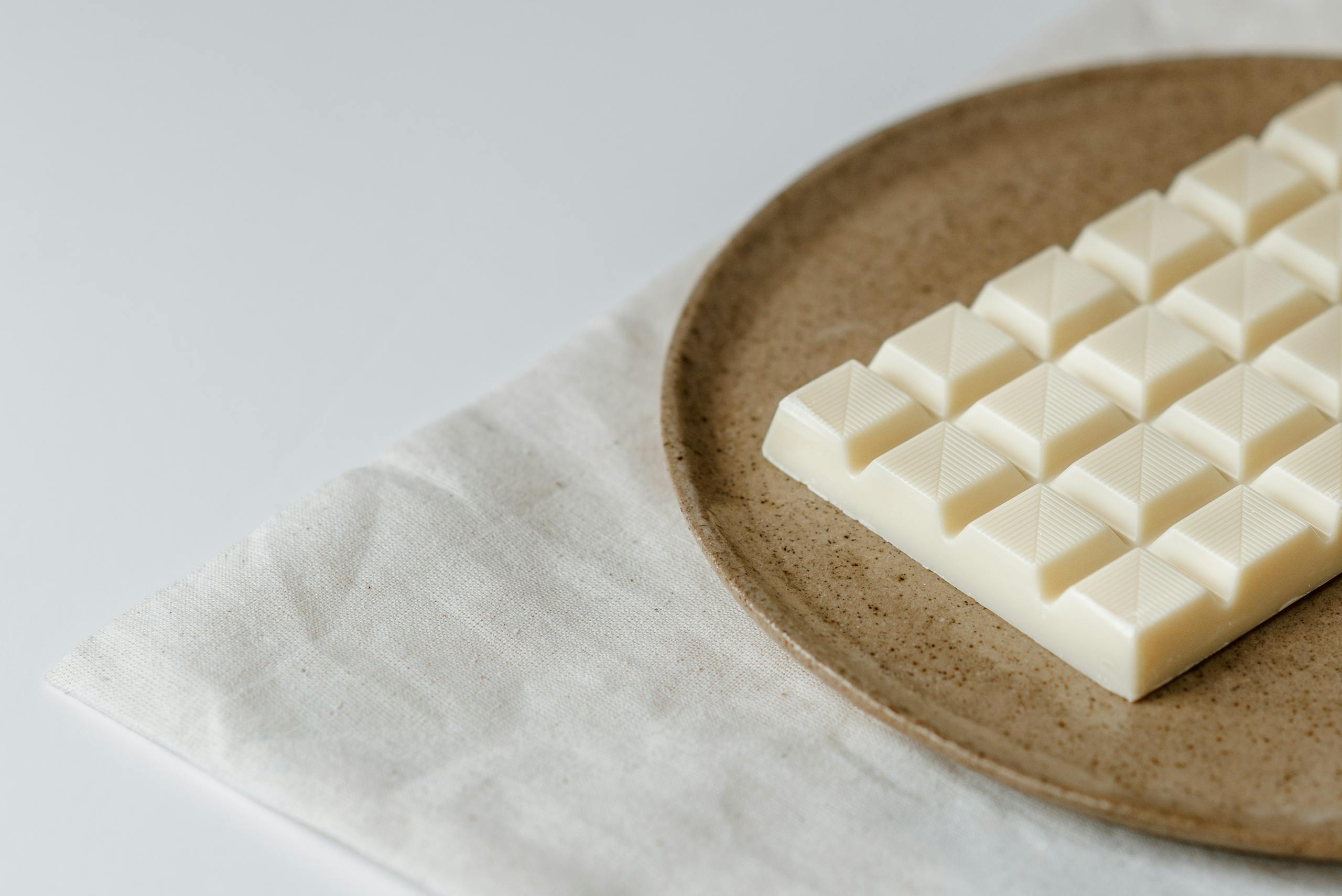
Chocolate is one of the most craved foods because it delivers sugar, fat, aroma, and a melt-in-the-mouth texture in a small package. Milk chocolate is especially powerful because it combines sweetness with creaminess, making it easy to eat more than planned. Dark chocolate can feel more intense and satisfying, but sweetened versions still trigger the reward system.
Chocolate also carries emotional meaning. People reach for it during stress, sadness, boredom, romance, celebration, and fatigue. That gives chocolate a double role. It is both a food and a mood cue, which explains why cravings can appear even when the body does not truly need food.
Potato Chips
Potato chips are built for repeat eating. They are salty, crunchy, oily, light, and fast to chew. The thin texture makes them feel almost harmless, but the calories can add up quickly because chips rarely leave a strong sense of fullness. That is why a few chips can turn into half a bag before the brain catches up.
The salt-fat-crunch combination is the real hook. Salt keeps the flavor bright, fat carries the taste, and crunch creates sensory satisfaction. Chips also work perfectly as distracted food during TV, scrolling, gaming, or socializing, which makes portion control even harder.
Cookies
Cookies look innocent because they are small, familiar, and often linked to childhood comfort. Yet most cookies combine refined flour, sugar, fat, salt, and flavorings in a compact form. That combination creates a fast, low-effort reward.
The bigger trap is variety. Chocolate chip, sandwich, butter, frosted, and cream-filled cookies all offer slightly different rewards. Variety keeps the brain interested. That is why a person may feel done with one flavor but suddenly have room for another.
Ice Cream

Ice cream is powerful because it blends sugar, fat, cold temperature, creamy texture, and flavor variety. It feels soothing, especially after a stressful day, and it can be eaten straight from the tub with very little effort. The softness also makes it easy to eat quickly before fullness signals arrive.
Ice cream cravings often grow from routine. A person may begin to associate it with nighttime relaxation, heartbreak, movies, or a reward after a long day. Once the habit forms, the craving can feel emotional rather than physical. That is where mindful portions matter.
French Fries
French fries are one of the clearest examples of how processing changes a basic food. A potato becomes something far more tempting after cutting, frying, salting, and pairing with dips. The outside turns crisp, the inside stays soft, and the salt encourages another bite.
Fries also benefit from smell. The aroma of hot oil, salt, and browned starch can trigger cravings before the food even reaches the table. Add ketchup, cheese sauce, mayonnaise, gravy, or seasoning blends, and the reward level climbs even higher.
Cheeseburgers
A cheeseburger brings together soft bread, fatty meat, melted cheese, sauce, salt, and sometimes sugar from the bun or condiments. It is a layered reward system in handheld form. Every bite carries fat, salt, umami, and soft texture, which makes it feel satisfying fast.
The issue is not only the burger itself. It is the usual package around it. Burgers often arrive with fries and soda, turning one meal into a full hyper-palatable combo. That mix can make the brain chase more reward even after the body has enough calories.
Soda
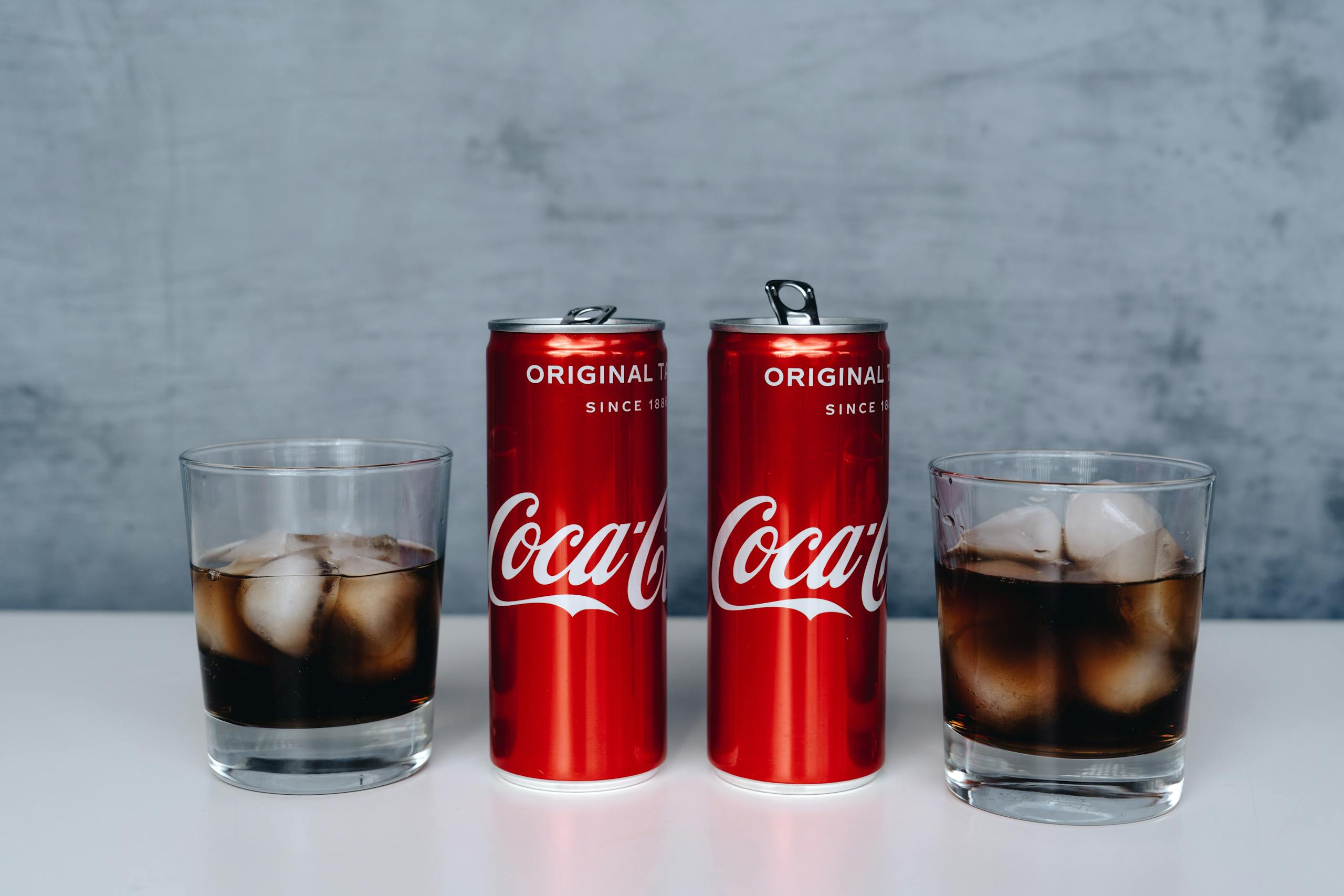
Soda does not need fat or crunch to become difficult to quit. Its power comes from sugar, caffeine in many versions, carbonation, cold temperature, and habit. The sweetness hits quickly, and liquid calories do not usually create the same fullness as solid food.
Soda also becomes tied to routines. People drink it with lunch, fast food, movies, work breaks, or late-night meals. Because it feels refreshing rather than heavy, it can slip into the day without feeling like a major food choice. That is what makes it easy to underestimate.
Cake
Cake combines sugar, refined flour, fat, frosting, and celebration. It is soft, sweet, rich, and emotionally loaded. Birthdays, weddings, office parties, holidays, and family gatherings all teach the brain that cake means reward.
The frosting is often the strongest trigger because it delivers concentrated sweetness and fat. A small slice can satisfy, but large bakery slices can turn dessert into a heavy calorie load. Cake becomes more tempting when served in large portions and framed as a special treat that should not be wasted.
Cheese
Cheese is often described in dramatic terms, but the truth is more balanced. Cheese can be highly craveable because it is salty, fatty, creamy, and rich in savory flavor. It also appears inside other highly processed foods, especially pizza, burgers, nachos, sandwiches, and creamy snacks.
The casein in dairy breaks down into compounds called casomorphins during digestion, but that does not mean cheese acts like a hard drug. The stronger explanation is simpler. Cheese adds fat, salt, flavor, and texture to foods that are already easy to overeat. On its own, it can still be calorie-dense, so portions matter.
Milkshakes
Milkshakes deserve attention because they combine liquid sugar, dairy fat, flavor syrups, whipped toppings, and sometimes candy or cookies. They go down quickly and can contain the energy of a full meal. The cold, creamy texture also feels soothing.
Liquid treats can be tricky because they do not always create lasting fullness. A person may drink a milkshake and still eat fries, burgers, or dessert alongside it. That makes milkshakes one of the easiest ways to stack calories without feeling like much chewing happened.
Doughnuts
Doughnuts are engineered for craving. They combine refined flour, sugar, frying oil, glaze, filling, and soft texture. Some add chocolate, cream, sprinkles, jam, or powdered sugar, creating a sweet-fat combination that the brain quickly learns to crave.
They also appear in social settings where eating feels automatic. Office boxes, morning meetings, road trips, and coffee runs make doughnuts feel casual. The first one may be a choice. The second one is often a cue-driven decision.
Conclusion
The most addictive foods are usually not single-ingredient foods. They are carefully processed combinations of refined carbohydrates, fat, salt, sugar, aroma, texture, convenience, and emotional memory. Pizza, chocolate, chips, cookies, ice cream, fries, burgers, soda, cake, cheese-heavy meals, bacon, fried chicken, sweet cereals, gummy candy, muffins, milkshakes, doughnuts, and nachos all earn their reputations for being easy to crave and hard to stop.
We do not have to fear food to eat better. We need to understand the foods that push our reward system the hardest, then build routines that give us more control. The win is not a perfect diet. The win is being able to enjoy food without feeling like it’s making the decision for us.