Some stories sound too grim for a movie script until you realize they happened to real families, in real towns, under real streetlights. They happened near schools, factories, churches, courthouses, military bases, and neighborhoods where people thought ordinary life would keep going.
America has always loved a dark thriller. A missing truth. A locked door. A warning nobody hears in time. Yet some of the darkest plots were not written in Hollywood. They unfolded in public records, survivor testimony, newspaper archives, government files, and family memories.
These dark U.S. stories prove that real life can be colder than fiction because nobody gets to close the book when the worst part arrives. People had to keep living afterward, raising children, burying loved ones, rebuilding homes, and trying to trust the world again.
The unsettling part is not only what happened, but also what it means. It is how often danger sat in plain sight before the country finally looked at it directly.
The Factory Fire That Turned Work Into a Trap

In 1911, workers at the Triangle Shirtwaist Factory in New York City faced a nightmare that still feels unbearable. A fire broke out in a crowded garment factory, and many young workers could not escape because exits were blocked or locked. The Triangle factory fire killed 146 people and became one of America’s most haunting industrial disasters.
What makes the story so chilling is how ordinary the day began. Workers showed up to earn a living, not to become symbols of unsafe labor. The tragedy forced the country to confront a brutal question that still echoes today. How much danger should people be expected to accept just to keep a job?
The Neighborhood Destroyed While the Country Looked Away
Tulsa’s Greenwood District was known as one of the most prosperous Black communities in America. Then, in 1921, a white mob attacked the neighborhood, destroying homes, businesses, churches, and dreams built through years of Black ambition and discipline. The Tulsa Race Massacre left deep scars that families carried for generations.
This was not just a night of violence. It was the destruction of wealth, safety, memory, and opportunity. The story still feels darker than fiction because the aftermath included silence, denial, and a long fight for the truth to be fully recognized.
The Order That Made American Families Prisoners
During World War II, Japanese American families were forced from their homes and sent to incarceration camps. Many were U.S. citizens. They lost businesses, farms, belongings, school years, privacy, and the comfort of being treated as full Americans.
The forced removal came after Executive Order 9066, a wartime decision that turned suspicion into policy. The damage did not end when the camps closed. Families carried the humiliation, financial loss, and emotional wound long after the fences came down.
The Medical Study That Betrayed Trust
For decades, Black men in Alabama were misled in a syphilis study that denied them the full truth and proper care. Many believed they were receiving treatment, but the study continued while their health and families suffered. The Tuskegee study timeline remains one of the darkest warnings in American medical history.
The horror was not only the disease. It was the cold use of human beings as subjects while dignity sat outside the room. That betrayal still shapes conversations about health care, consent, racism, and whether vulnerable communities can safely trust powerful institutions.
The Cult Dream That Became a Mass Death
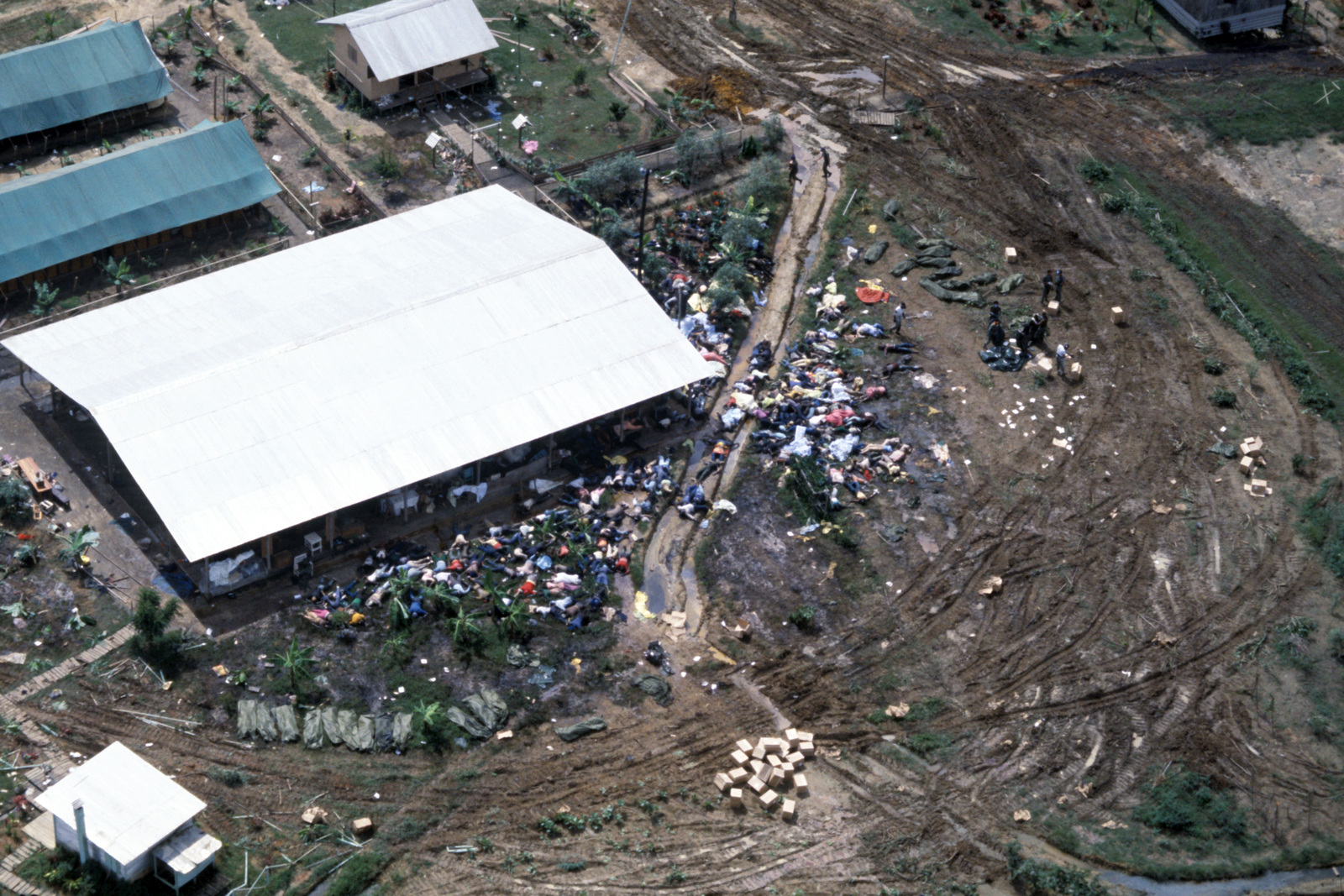
Jonestown began as a promise of community, equality, and escape from the pressures of American life. By the end, it became a terrifying story of control, fear, isolation, and mass death in the jungle of Guyana. Many who followed Jim Jones hoped for a sense of belonging. Instead, they became trapped in a world ruled by paranoia and obedience.
The story feels almost impossible to process because it started with ideals that sounded hopeful. Families wanted purpose. People wanted justice. What they found was a leader who turned devotion into captivity and trust into disaster.
The Canal Where Homes Became a Warning Sign
Love Canal looked like a neighborhood where families could build ordinary lives. Children played outside, parents paid mortgages, and schools sat near homes that should have felt safe. Then, toxic waste buried beneath the area turned everyday life into an environmental horror story.
The Love Canal tragedy helped force national attention toward hazardous waste and public health. The most disturbing part is how domestic the danger looked. It was not a monster in the woods. It was under backyards, near playgrounds, and inside the places people called home.
The Police Bombing That Burned a City Block
In 1985, Philadelphia police dropped an explosive on a rowhouse occupied by members of MOVE, a Black liberation group. The bombing sparked a fire that killed adults and children and destroyed dozens of homes. A neighborhood turned into a disaster scene when a standoff escalated into an act of shocking force.
What makes this story so hard to absorb is the setting. This was not a battlefield. It was an American city, with families nearby and homes packed close together. The images still feel unreal because they show official power turning a residential block into ash.
The Water Crisis That Made a Tap Feel Dangerous
In Flint, Michigan, residents noticed something was wrong with their water. It smelled strange, looked wrong, and made people afraid. Many felt ignored as concerns grew, and the crisis eventually revealed lead contamination that put families, especially children, at risk.
The story shook Americans because water is supposed to be the simplest promise. You turn on the faucet, fill a glass, cook dinner, bathe a child, and trust that the basics are safe. Flint showed how quickly that trust can collapse when officials dismiss the people living with the consequences.
The Storm Response That Left People Waiting
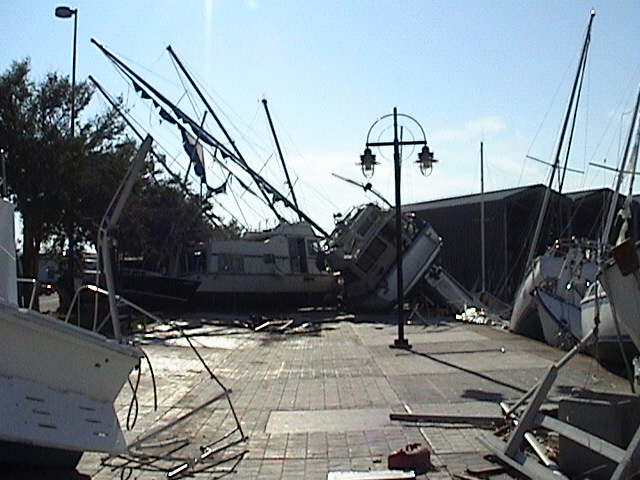
When Hurricane Katrina hit the Gulf Coast in 2005, the storm was devastating. The response that followed made the disaster feel even more painful. Americans watched people stranded on rooftops, trapped in shelters, waving for help, and pleading for food, water, medicine, and evacuation.
The images from New Orleans looked like scenes from a dystopian film, except they were real. Families were not watching the collapse from a distance. They were standing in it, sweating, waiting, and wondering why help moved so slowly in one of the richest countries on earth.
Conclusion
Dark U.S. stories stay with us because they disturb the comforting idea that terrible things only happen somewhere else. They happened in American cities, workplaces, homes, hospitals, camps, and neighborhoods. They happened to people who were working, praying, serving, studying, raising children, and trying to build a future.
Remembering them is not about chasing misery. It is about refusing to let pain disappear into polite history. These stories show what can happen when greed, fear, racism, neglect, power, or denial go unchecked.
Real life can be worse than fiction because the ending does not arrive when the page turns. Survivors keep living. Families keep asking questions. Communities keep rebuilding. The rest of the country has a responsibility to keep listening.