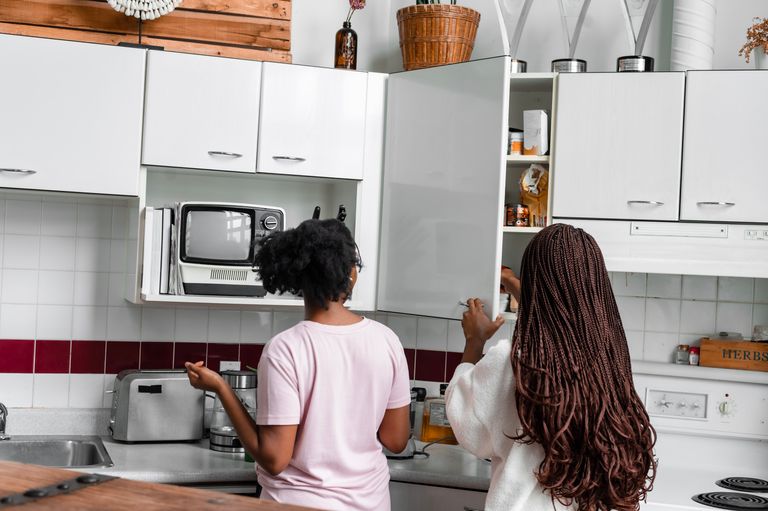
Spring cleaning sounds simple until the house starts looking worse halfway through. One minute, you are wiping counters with heroic energy, and the next, every room looks like a closet exploded into a laundry basket. That is the sneaky truth about seasonal cleaning: enthusiasm alone does not guarantee results.
Many people make spring cleaning mistakes because they rush into the work without a plan, the right products, or a clear order. The goal is not just to make the house smell like lemon spray for one afternoon. The real goal is to remove dirt, clutter, dust, grime, and stale habits that have been hiding in plain sight all season.
Starting Without a Clear Plan
One of the biggest spring cleaning mistakes people make is attacking the house with no real direction. They start in the kitchen, drift into the bedroom, notice a drawer, open a closet, and suddenly, three rooms are half-cleaned with nothing fully finished. That kind of cleaning feels busy but rarely satisfying.
A better approach is to move room by room and task by task. Start high, work low, and finish one area before moving to another. A simple checklist keeps your energy focused and stops spring cleaning from turning into a full-house scavenger hunt.
Cleaning Around Clutter Instead of Removing It
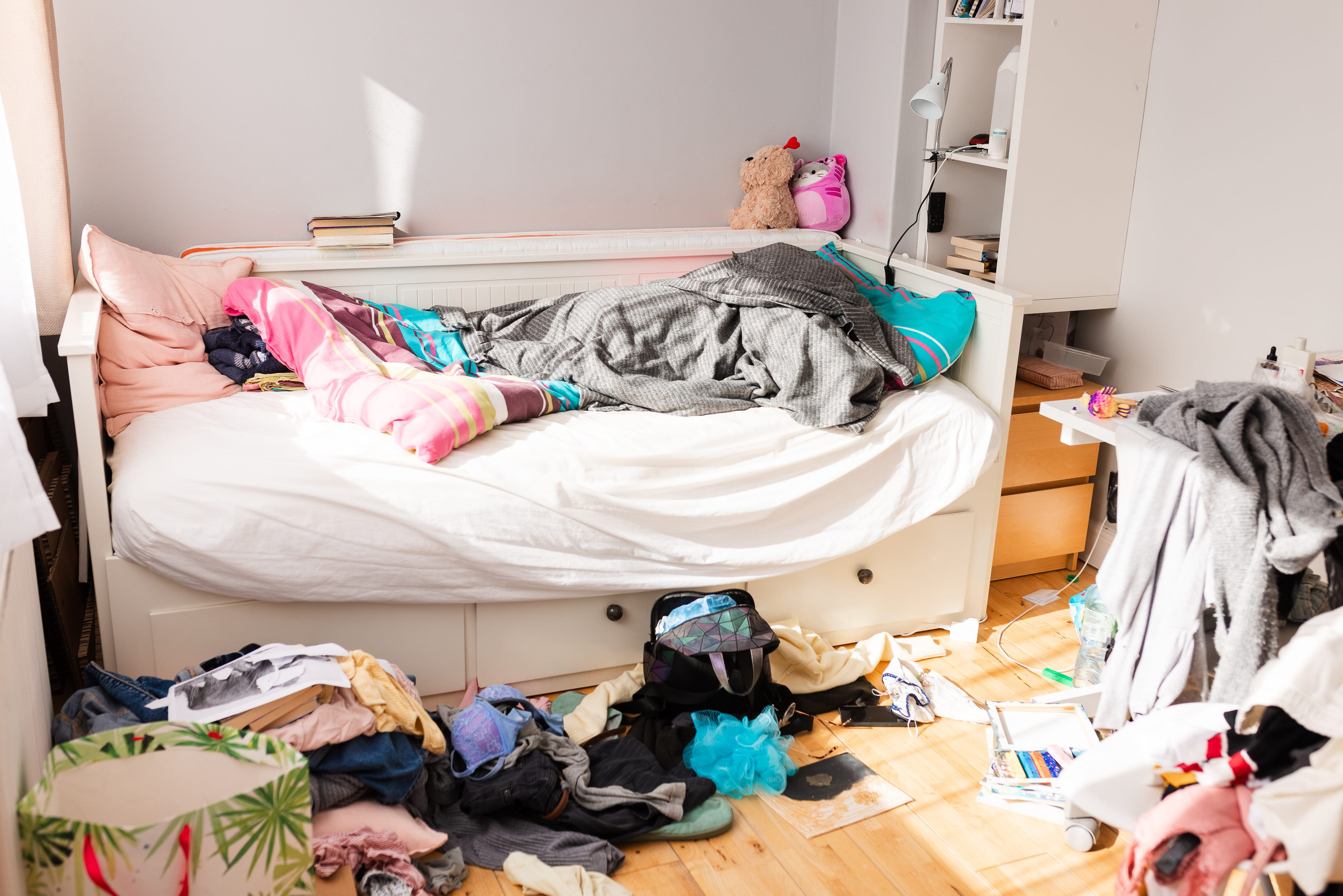
Many people wipe, sweep, and vacuum around piles of things they no longer use. That makes the house look cleaner for a few hours, but the clutter still owns the space. Spring cleaning should not just polish the mess; it should question why the mess is there in the first place.
Before deep cleaning, remove expired products, broken items, old paperwork, unused clothes, and random objects that keep migrating from one corner to another. Once the clutter leaves, every cleaning task becomes easier. A clear surface is faster to wipe, easier to maintain, and far less stressful to look at.
Using the Same Cloth Everywhere
A single cleaning cloth can become a tiny traveling disaster if you use it across too many surfaces. People often wipe the bathroom sink, kitchen counter, coffee table, and appliances with the same rag without thinking about what they are spreading. That does not clean the home properly; it just moves grime from one place to another.
Use separate cloths for different zones, especially bathrooms, kitchens, glass, and dusting. Wash reusable cloths properly after use and replace them when they start to smell or lose texture. Clean tools matter because dirty tools quietly sabotage clean intentions.
Spraying Cleaner Directly on Everything
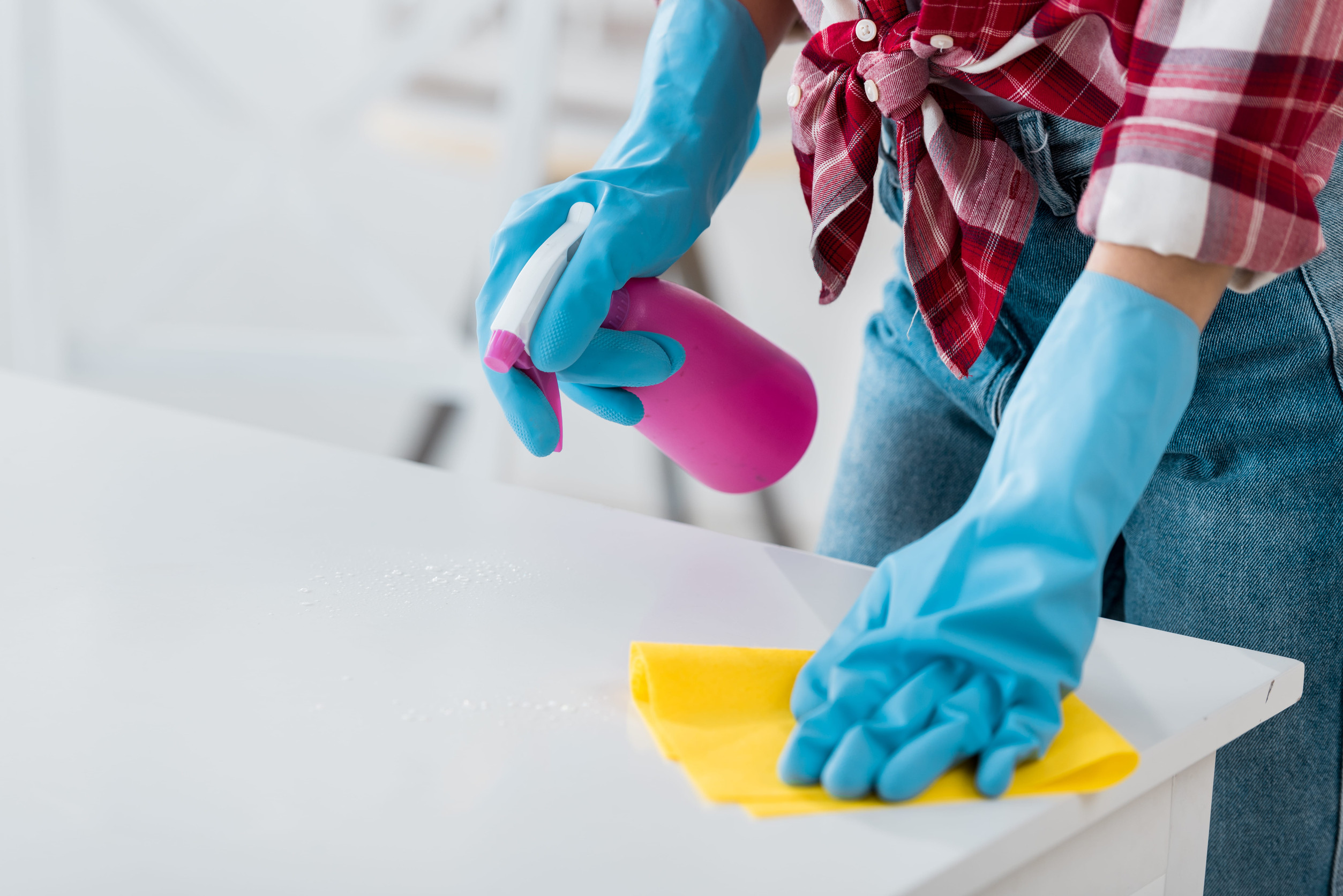
It feels powerful to spray a product directly onto furniture, mirrors, electronics, and countertops, but that habit can cause streaks, residue, and surface damage. Too much cleaning can leave sticky buildup that attracts more dust. On delicate surfaces, it can also stain, dull, or weaken the finish.
For many surfaces, spraying the cloth first works better than drowning the object itself. This gives you more control and prevents the product from seeping into cracks, edges, screens, and wood grain. Spring cleaning should refresh your home, not leave every surface coated in chemical fog.
Forgetting to Dust Before Vacuuming
Vacuuming before dusting is one of those spring cleaning mistakes that wastes time without looking obvious at first. If you vacuum the floor and then dust shelves, ceiling fans, blinds, and picture frames, fresh dust falls right back down. The room may smell clean, but the floor has already been invited to round two.
Always clean from top to bottom. Start with ceiling corners, light fixtures, fans, shelves, window treatments, and furniture surfaces before you touch the floor. This order lets gravity work with you instead of against you.
Using Harsh Products on Delicate Surfaces
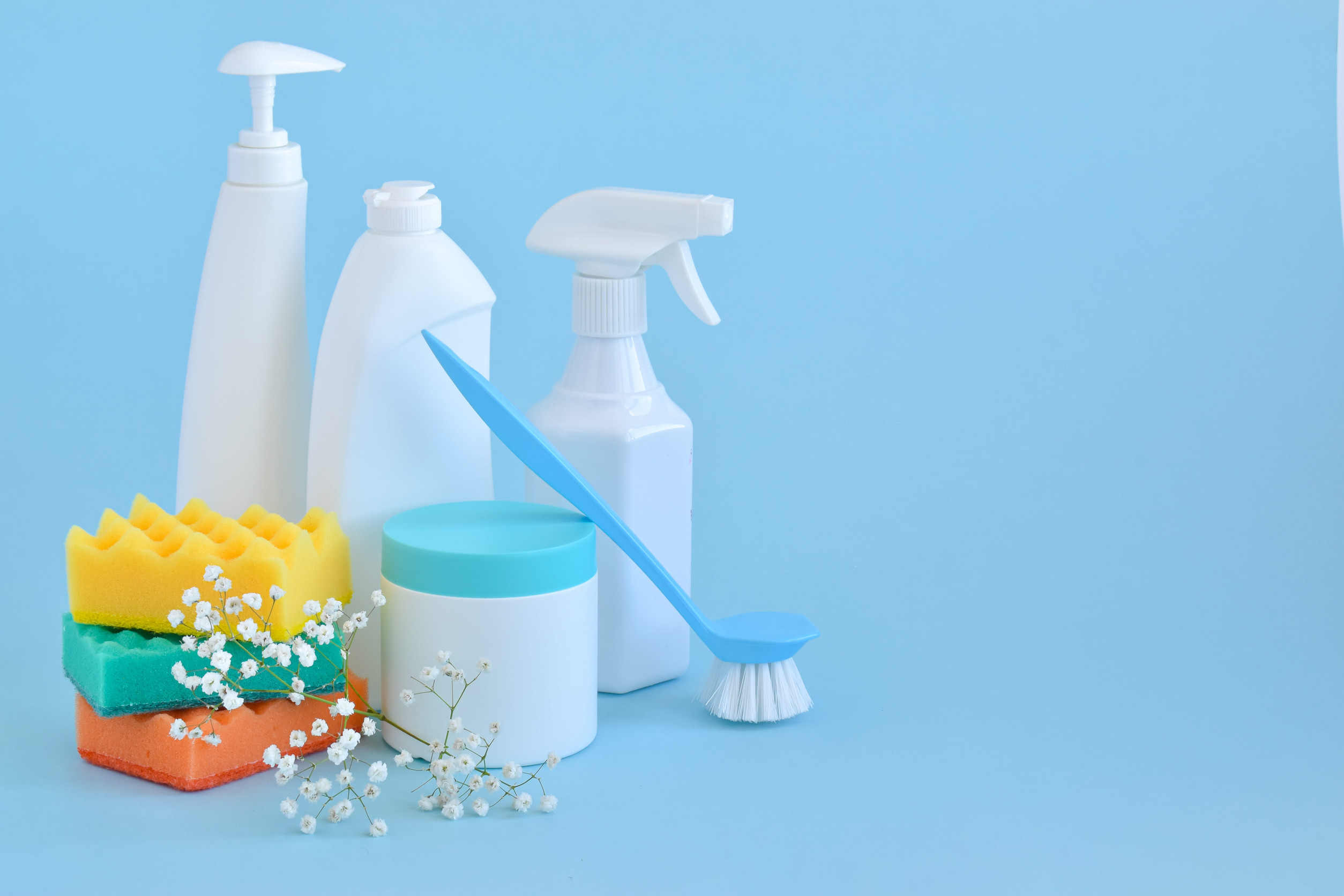
Strong cleaners can feel like the answer to every stubborn stain, but some surfaces need patience instead of aggression. Stone counters, hardwood floors, stainless steel, painted cabinets, and certain tiles can be damaged by harsh chemicals or abrasive scrubbing. The damage may not be immediately apparent, but over time, the finish can fade, scratch, or wear down.
Always check what a product is meant to clean before using it. A cleaner that works beautifully on a bathtub may be a terrible choice for natural stone or wood. Spring cleaning should preserve your home’s value, not punish every surface into submission.
Ignoring Hidden Dust Traps
The most visible mess usually gets all the attention, but hidden dust traps can make a home feel stale even after a long cleaning session. Areas behind furniture, under beds, on baseboards, around vents, above cabinets, and inside lampshades often collect dust for months. If those areas stay untouched, the house never feels fully fresh.
Pull furniture away from walls when possible and pay attention to the quiet corners. Clean vents, wipe baseboards, shake out rugs, and check the spaces you normally avoid. These small hidden zones can change the entire feel of a room once they are finally cleaned.
Washing Windows at the Wrong Time
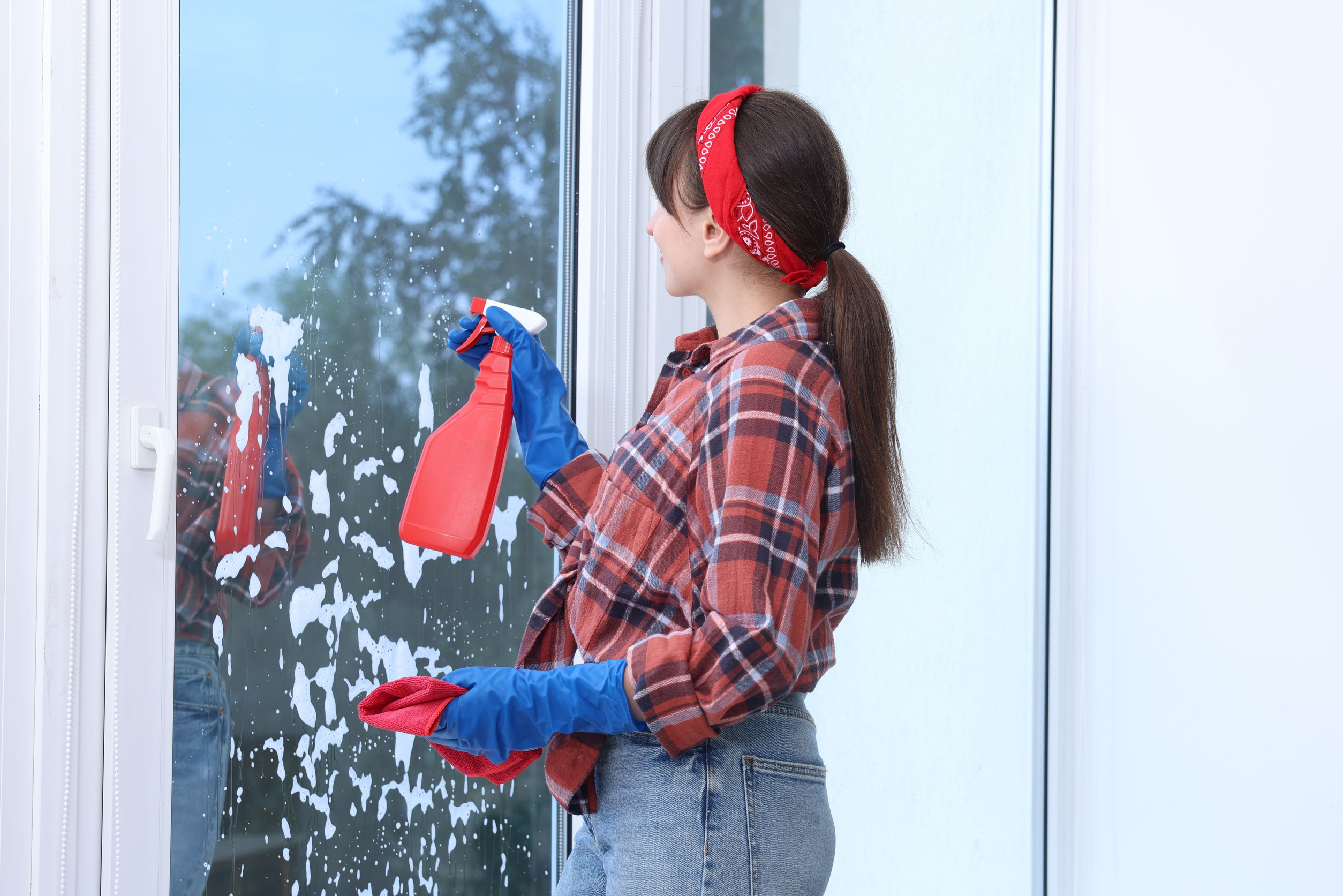
Bright sunlight makes dirty windows easier to spot, but it can also make them harder to clean well. When the sun heats the glass, the cleaner dries too quickly, leaving streaks behind. That means you may scrub twice and still wonder why the window looks cloudy.
Choose a cloudy day or clean windows when the glass is cool. Use a proper glass cloth, work in sections, and avoid overloading the surface with product. Clean windows should let light in, not advertise every rushed swipe you made.
Forgetting About Cleaning Tools
People often clean the whole house with vacuums, mops, brooms, sponges, and brushes that are already dirty. A clogged vacuum, a sour mop head, a dusty broom, or an old sponge cannot do its job properly. It can leave odors, streaks, crumbs, and bacteria behind.
Before spring cleaning begins, clean the tools first. Empty the vacuum, wash mop heads, replace worn sponges, rinse brushes, and check filters. The tools do the heavy lifting, so they need to be ready before the house gets its seasonal reset.
Trying to Do Everything in One Day

Spring cleaning becomes exhausting when people treat it like a punishment that must be completed in one heroic day. That usually leads to rushed decisions, sore muscles, unfinished rooms, and a final hour where everything gets shoved into a closet. The home may look better on the surface, but the process becomes miserable.
Break the work into smaller sessions. Clean one room per day, or divide tasks by category, such as closets, floors, windows, bathrooms, and kitchen storage. A steady cleaning plan beats a chaotic cleaning marathon every time.
Conclusion
Spring cleaning should make your home feel lighter, calmer, and easier to live in. The biggest mistake is thinking the job is only about scrubbing harder, spraying more, or moving faster. Real cleaning depends on order, patience, good tools, and smarter choices.
When you avoid these common spring cleaning mistakes, the work becomes less stressful and far more effective. The house does not just look cleaner for the afternoon. It feels reset in a way that actually lasts.