Faith used to feel like a steady room in a noisy world, but modern life keeps rattling the windows. Modern life is shaking belief in ways that feel personal, cultural, emotional, and deeply uncomfortable. People still pray, hope, search, and wonder, but they also carry doubts that did not always have such loud microphones.
This is not about mocking faith or worshipping doubt like it pays rent. It is about how daily life now pulls people between devotion, distraction, fear, science, politics, and endless digital noise. So what exactly is making belief feel harder to hold with calm hands?
Constant News Makes The World Feel Hopeless

News now arrives like a storm that forgot how to stop. People wake up to tragedy, conflict, scandal, disaster, outrage, and grief before they even drink water. That kind of emotional overload can make faith feel tired before the day begins.
Believers may still trust in goodness, but headlines can make that trust feel painfully tested. It becomes harder to speak about hope when every screen seems determined to sell panic. Who can blame people for wondering where peace went?
Faith often needs quiet space to breathe. Modern news cycles rarely offer that space because fear keeps people scrolling. FYI, doomscrolling has never looked like a spiritual retreat.
Social Media Turns Doubt Into Performance
Social media has changed the way people question everything. A private doubt can become a public post, a heated comment thread, or a viral debate before anyone has time to think. That pressure can turn honest searching into emotional theater.
People now see faith mocked, defended, challenged, marketed, and politicized within the same feed. A person may open a recipe app and leave questioning the meaning of existence. That is quite a morning, right?
Belief can survive questions, but it struggles when every question becomes a spectacle. People need room to process without feeling watched. Modern life is shaking belief because reflection now competes with performance.
Science Makes Some Answers Feel Less Simple
Science has given people powerful ways to understand life, health, space, nature, and the human mind. For many, that knowledge inspires awe and does not erase faith at all. For others, it makes old explanations feel too small.
Questions about creation, consciousness, suffering, and human behavior can feel different through a scientific lens. People may begin asking which beliefs are symbolic, literal, cultural, or inherited. That can feel exciting, but it can also feel scary.
The real tension is not always science against faith. It is often certainty against complexity. Many people struggle when life no longer fits the simple answers they received as children.
Political Anger Pollutes Spiritual Life

Faith can guide compassion, service, humility, and moral courage. Yet modern politics often drags religion into shouting matches, loyalty tests, and culture wars. Suddenly, belief can feel less like worship and more like team branding.
Many Americans now see faith language used in arguments about power, identity, rights, and public life. That makes some people suspicious of religious spaces, even when those spaces contain sincere and loving people. The damage comes from confusion between spiritual conviction and political theater.
People can grow weary when faith sounds angry all the time. They may start asking whether religion still heals or only divides. IMO, a sermon should not feel like a campaign rally with extra guilt.
Consumer Culture Makes Meaning Feel Cheap
Modern life tells people to buy, upgrade, chase, compare, and repeat. The message is simple enough to be dangerous. If something feels empty, just purchase a better version of yourself.
Faith often asks for patience, gratitude, sacrifice, and inner change. Consumer culture offers faster comfort with prettier packaging. No wonder people feel pulled between spiritual depth and the shiny promise of more.
This pressure can quietly erode belief by training people to expect instant satisfaction. Prayer may feel slow beside same-day delivery and endless entertainment. The soul wants meaning, but the marketplace keeps yelling about a sale.
Loneliness Makes Spiritual Questions Heavier
Many people look connected online but feel lonely in real life. They have followers, group chats, and notifications, yet still crave honest presence. That loneliness can make spiritual doubt feel colder.
Faith often grows through community, rituals, shared meals, songs, service, and human care. When people drift from those spaces, belief can lose its support system. A person may not suddenly stop believing, but the habit can fade quietly.
Loneliness also makes hard questions feel louder. People may wonder whether God feels distant because their whole lives feel distant. That is not weakness; it is what isolation can do to the heart.
Religious Scandals Break Trust
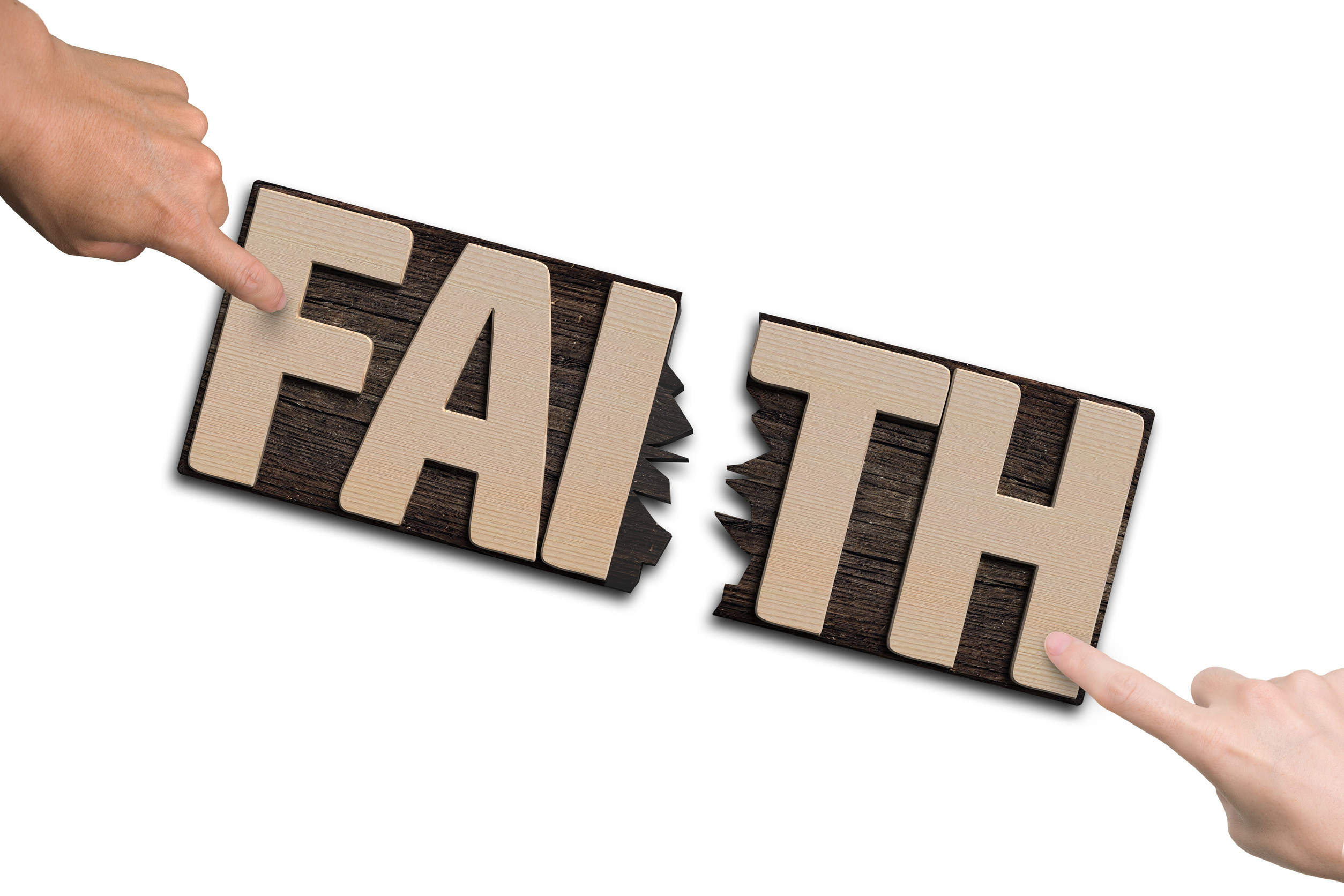
Few things shake belief like hypocrisy from people who claim moral authority. When spiritual leaders abuse power, hide harm, or preach one thing and live another, trust takes a serious hit. The pain can spread far beyond the people directly involved.
Many believers can separate faith from human failure. Still, repeated scandals make that separation harder for people who already feel wounded. They may ask why sacred spaces sometimes protect reputation more than truth.
This concern deserves honesty, not nervous excuses. People do not lose trust because they enjoy being cynical. They lose trust when institutions ask for faith but fail to show integrity.
Busyness Leaves No Room For The Soul
Modern schedules can turn life into a blur of tasks. People work, commute, answer messages, manage bills, care for family, chase goals, and collapse into bed. Somewhere in that rush, the inner life gets pushed aside.
Faith needs attention, but attention has become a luxury. Prayer, reflection, reading, worship, and silence all require mental space. If every quiet moment gets filled by a screen, belief may become background noise.
Many people do not reject faith with dramatic speeches. They simply get too tired to nurture it. That kind of drifting can feel harmless until the soul starts feeling strangely empty.
Pain Makes Easy Answers Feel Cruel
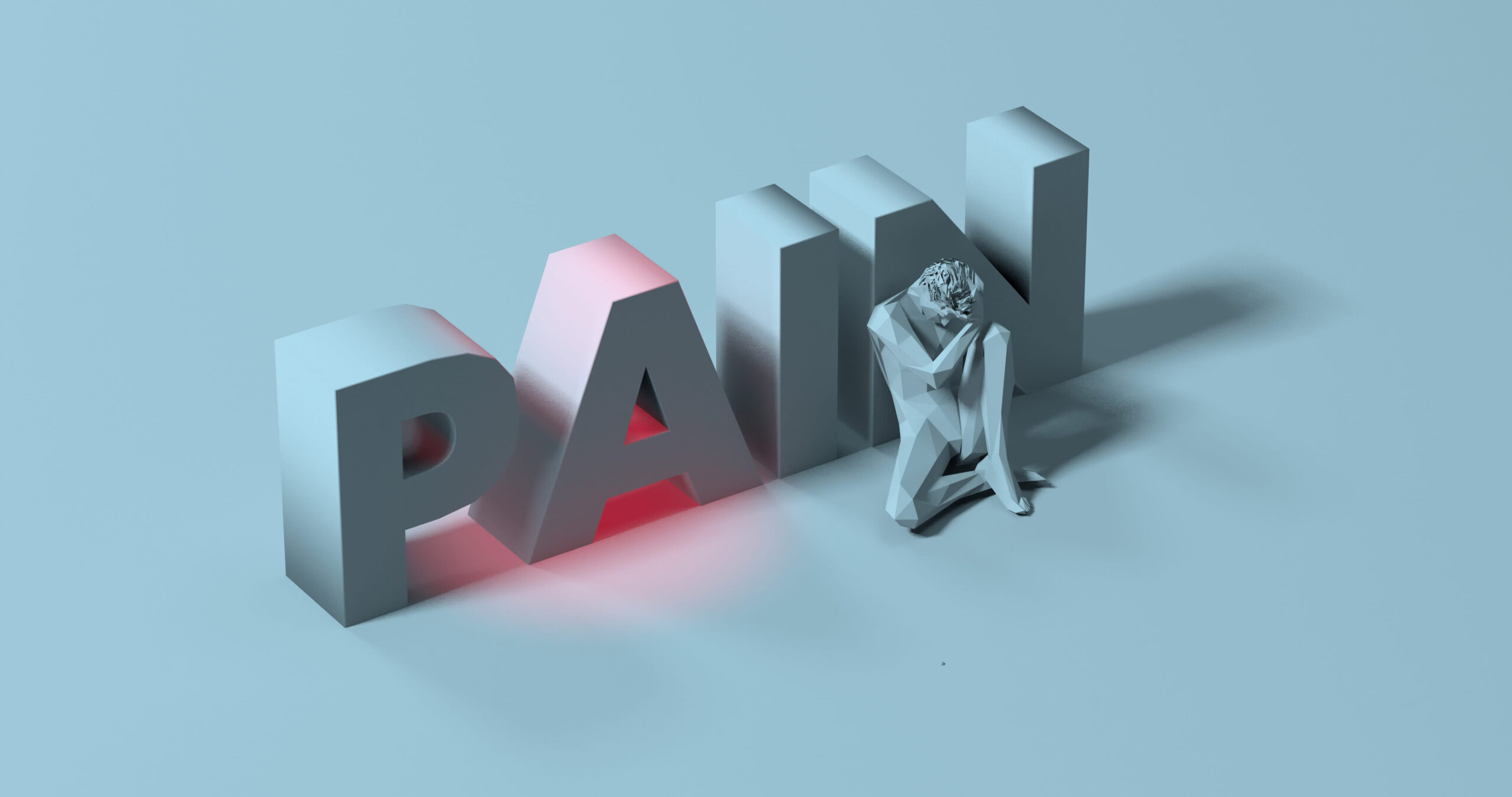
Suffering has always tested belief, but modern life exposes people to more visible pain than ever. Personal grief mixes with global tragedy, online stories, public injustice, and private exhaustion. That flood can make easy spiritual answers feel almost insulting.
People may still want faith, but they also want honesty. They do not want polished phrases when life feels broken. Who really wants a tiny spiritual sticker placed over a deep wound?
Pain can deepen faith, but it can also shake it hard. The difference often depends on whether people find compassion, space, and real support. Without that, belief can start feeling like another burden to carry.
Conclusion
Modern life is shaking belief because it keeps changing the conditions around faith. People face louder doubts, faster information, weaker communities, public scandals, political anger, and private loneliness. That does not mean belief has vanished, but it does mean many people carry it differently.
The frightening part is not that people ask questions. Questions can sharpen faith, expose shallow answers, and lead to deeper honesty. The real danger begins when people feel too ashamed, tired, or overwhelmed to ask those questions safely.
Faith may need less noise and more courage right now. It may need fewer performances and more compassion, fewer slogans and more listening, fewer arguments and more quiet strength. In a restless culture, belief survives best when it becomes honest enough to face the storm and gentle enough to hold the people standing inside it.