Raising children has never been cheap, but many families are spending far more than necessary without realizing it. Between social pressure, emotional purchases, and clever marketing aimed directly at parents and kids, household budgets can collapse under the weight of expenses that bring little long-term value. The problem is not loving your children too much. The problem is confusing expensive parenting with meaningful parenting.
Many parents feel pressure to provide the newest gadgets, the trendiest clothes, and unforgettable experiences. Yet financial experts continue to warn that overspending on children often delays retirement savings, increases debt, and creates unhealthy expectations inside the home. The smartest families are no longer chasing perfection. They are choosing intentional spending, practical habits, and financial stability that benefit everyone in the long run.
Constantly Buying Trendy Clothes, Kids Quickly Outgrow
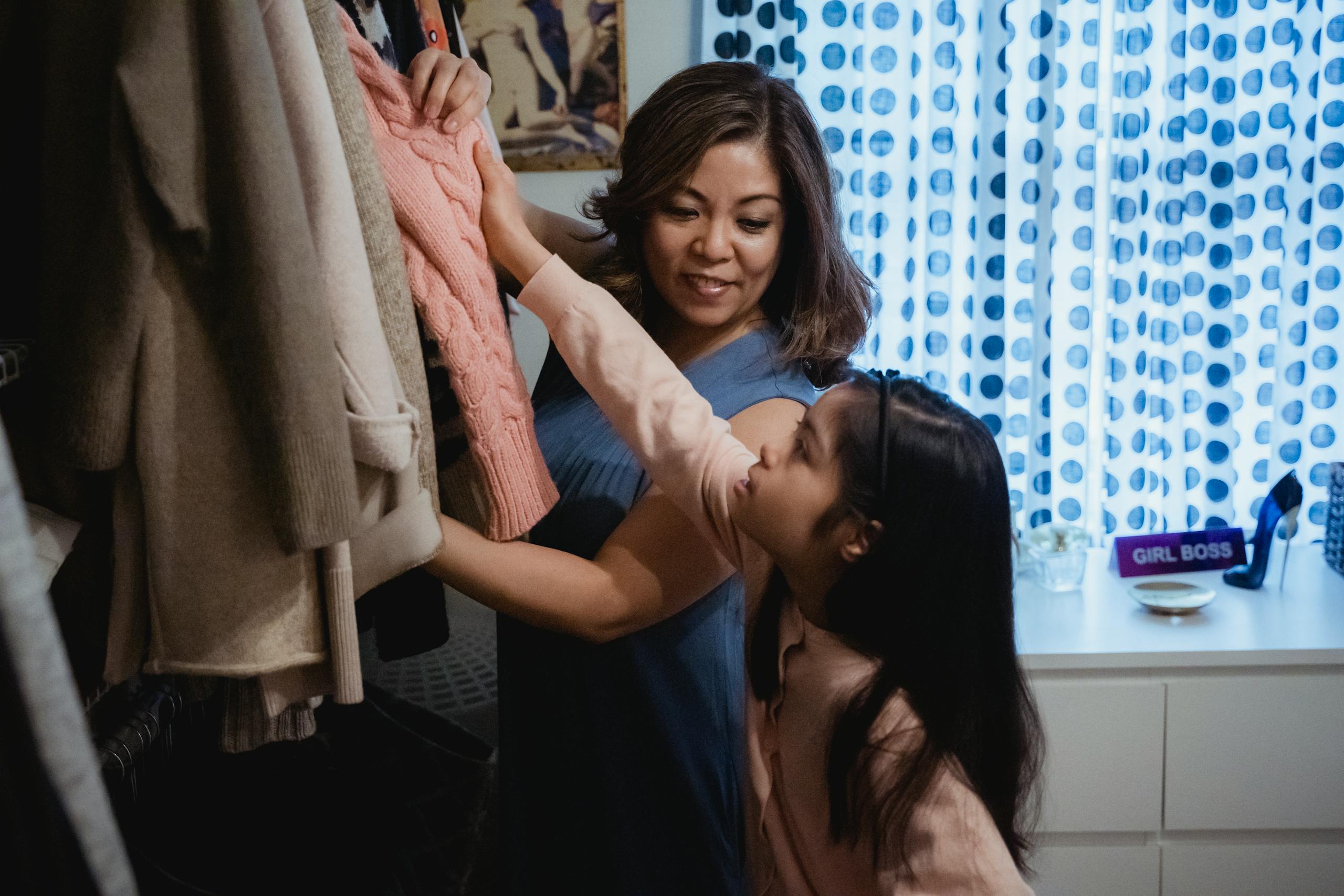
Children grow at a shocking speed, yet many parents continue spending heavily on expensive fashion labels that barely survive one season. Brand obsession often has more to do with adult social comparison than actual child needs. Kids spill, rip, stain, and outgrow clothes so quickly that premium pricing rarely makes financial sense.
Second-hand stores, discount retailers, clothing swaps, and hand-me-downs dramatically reduce yearly clothing expenses. Many gently used items still look brand new because children wear them for such short periods. Parents who stop chasing labels usually realize their kids care more about comfort and freedom than designer logos.
Falling for Kid-Focused Marketing Tricks
Companies spend billions designing products specifically to capture children’s attention. Cartoon toothpaste, superhero snacks, character bandages, and movie-themed school supplies often cost significantly more than standard versions with identical quality. Stores place these products directly at the child’s eye level because emotional purchases are extremely profitable.
Parents who recognize these marketing tactics gain far more control over spending. Choosing generic products instead of branded character items can save hundreds of dollars yearly. More importantly, children learn that value matters more than packaging or advertising hype.
Buying Brand New Baby Gear for Every Stage
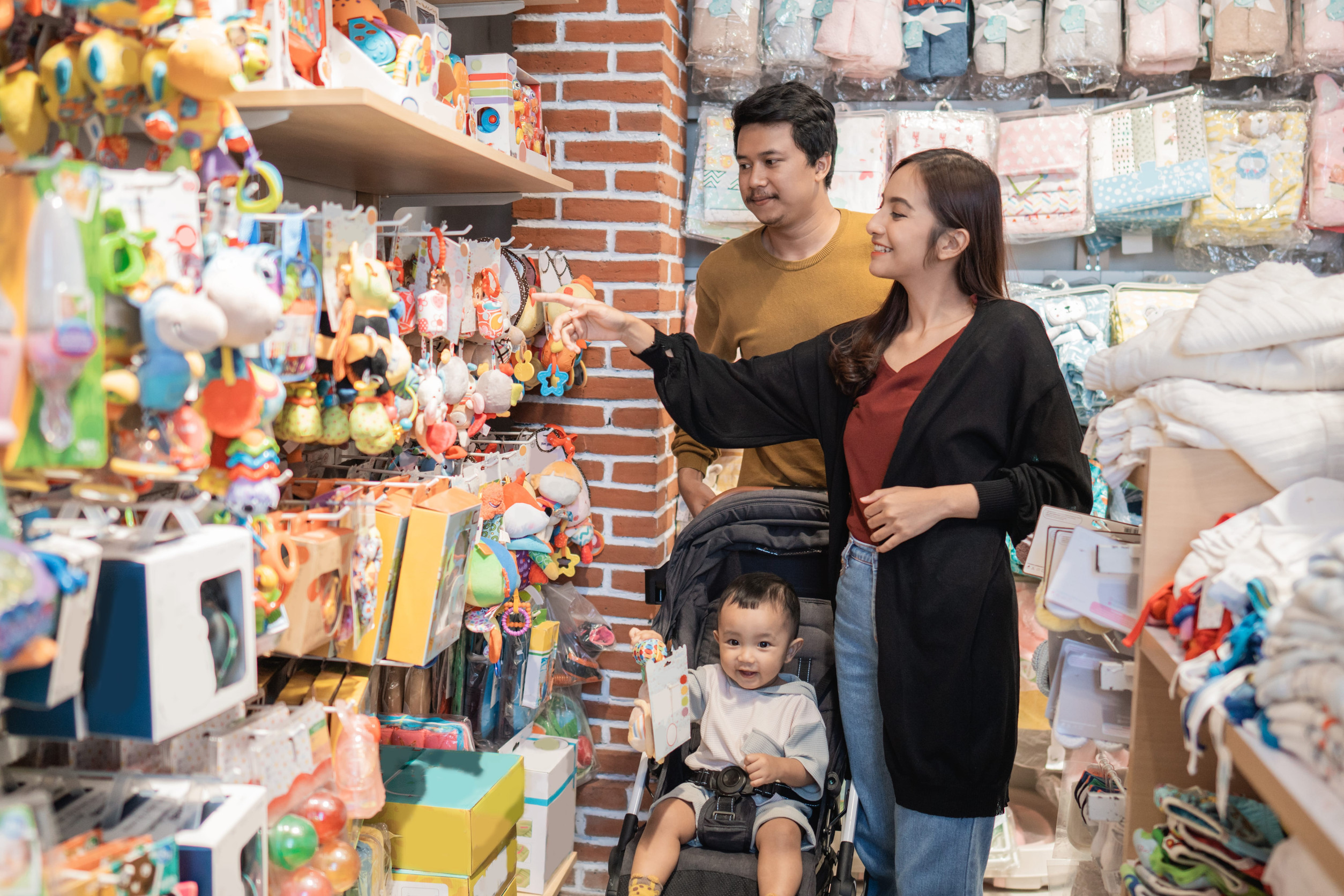
The baby industry has mastered emotional marketing. New parents are constantly told they need luxury strollers, designer bassinets, advanced monitors, wipe warmers, and expensive feeding systems just to raise a healthy child. In reality, babies outgrow most equipment within months, leaving many families with closets full of barely used products that cost thousands of dollars.
Smart parents focus on safety and practicality instead of aesthetics or trends. High-quality second-hand cribs, swings, carriers, and changing tables can save enormous amounts of money without sacrificing comfort. Many baby products are built to last for years, which makes buying used one of the easiest parenting money hacks available today.
Treating Every Birthday Like a Celebrity Event
Children’s birthday parties have quietly become financial traps. Parents rent event centers, hire entertainers, order custom cakes, and fill tables with expensive decorations just to impress other adults for a few hours. The pressure to create social media-worthy celebrations has turned simple birthdays into massive financial events that often leave parents exhausted and stressed.
Most children remember attention, laughter, and connection more than luxury party details. Backyard games, homemade treats, and small family gatherings often create stronger memories than oversized productions. Families that reduce birthday spending usually discover their children are just as happy without the unnecessary extravagance.
Spending Heavily on Activities Kids Barely Finish
Sports registrations, dance programs, music lessons, private coaching, and specialized camps can become incredibly expensive. While extracurricular activities are valuable, many parents overcommit before discovering whether their child actually enjoys the activity long term. Some children lose interest within weeks, leaving parents paying large fees for unused commitments.
A smarter approach involves starting small before making major investments. Community programs, trial classes, and used equipment help families test genuine interest without financial strain. Children benefit more from consistency and enjoyment than overloaded schedules filled with costly obligations.
Giving Kids Unlimited Access to Expensive Technology

Tablets, gaming systems, smartphones, subscriptions, apps, and in-game purchases quietly destroy household budgets. Many parents start with one small purchase, only to discover endless upgrade cycles, recurring charges, and constant pressure for newer devices. Children quickly adapt to entertainment inflation, where yesterday’s exciting gadget suddenly feels outdated.
Technology should serve a purpose instead of becoming nonstop digital consumption. Families that establish spending limits and require children to contribute financially often raise more responsible kids. Delaying unnecessary upgrades also teaches patience, gratitude, and healthier relationships with money.
Saying Yes to Too Many Small Impulse Purchases
One toy at checkout does not seem dangerous. Neither does candy in the grocery aisle, nor does it mean another small stuffed animal during a shopping trip. Yet these tiny purchases create major financial leakage over time. Parents often underestimate how quickly frequent impulse spending compounds into thousands of dollars annually.
Children naturally ask for things they see. The real financial habit comes from how adults respond. Families that create clear spending boundaries reduce stress during shopping trips and teach children that not every desire requires immediate fulfillment.
Competing With Other Parents
Competitive parenting quietly fuels some of the worst financial decisions families make. Parents compare birthday parties, vacations, electronics, clothes, schools, and extracurricular activities as if childhood were a public competition. Social media intensifies this pressure by constantly showcasing curated family lifestyles that rarely reflect financial reality.
Children learn financial attitudes directly from adults. Parents who stop chasing comparison often raise more grounded, emotionally secure kids. Financial peace usually arrives the moment families stop trying to impress people who are likely struggling with the exact same pressures themselves.
Turning Family Dining Into a Weekly Financial Disaster

Eating out with children drains money faster than many parents realize. Restaurant bills rise quickly once drinks, kids’ meals, desserts, and tips enter the picture. Younger children often waste large portions of their meals, making the cost feel even more frustrating for families already managing tight budgets.
Home-cooked meals remain one of the most effective ways to control spending. Families that cook together also build stronger habits around nutrition, communication, and financial discipline. Restaurant visits feel far more enjoyable when they become occasional experiences instead of expensive routines.
Paying for Prestige Instead of Practical Education
Many parents feel intense pressure to send their children to elite schools or prestigious universities regardless of financial consequences. Expensive tuition, student debt, and financial strain can follow families for decades. Prestige often overshadows practical considerations like career goals, scholarships, and long-term earning potential.
Strong educational outcomes depend far more on student effort, support systems, and financial stability than school branding alone. Families who prioritize affordability often create healthier futures because children graduate with less financial burden and greater flexibility.
Buying Backyard Entertainment That Rarely Gets Used
Large backyard purchases often start with excitement and end with regret. Trampolines, inflatable pools, expensive playsets, and oversized gaming equipment may seem like worthwhile investments at first, but many lose their appeal surprisingly fast. Meanwhile, maintenance costs, repairs, insurance concerns, and storage issues continue piling up.
Before making a major purchase, families should honestly evaluate long-term usage patterns. Renting, borrowing, or visiting community recreation spaces often delivers similar enjoyment without permanent financial commitment. The most expensive toy is usually the one sitting untouched in the backyard.
Funding Weddings Beyond Your Financial Reality

Parents frequently spend enormous amounts on weddings to satisfy expectations, traditions, or appearances. Some families drain savings accounts or take on debt just to host one extravagant celebration. The emotional pressure surrounding weddings can make financial decisions feel impossible to challenge.
Healthy financial boundaries protect both parents and children. Contributing what is realistically affordable creates a far more stable future than overspending for a single event. Many couples now prefer meaningful celebrations over massive productions that create years of financial stress.
The Real Cost of Overspending on Kids
Many families believe spending more automatically creates happier children. Yet research and real-world experience repeatedly show that emotional connection, consistency, stability, and attention matter far more than luxury purchases. Overspending often creates stress inside the household, weakens long-term financial security, and teaches unhealthy expectations around money.
The strongest parenting decisions are rarely the flashiest ones. Families that focus on intentional spending, thoughtful priorities, and financial discipline often give children something far more valuable than expensive stuff. They provide stability, confidence, and the example of living within healthy limits.