A brief comment about Rep. Ilhan Omar’s citizenship has opened a much bigger argument about facts, immigration, and who gets treated as fully American in public life.
Rep. Byron Donalds, a Florida Republican, said Omar should be removed from Congress if she is not a naturalized U.S. citizen. The conditional wording matters, but so does the established record: Omar became a citizen in 2000 and has represented Minnesota’s 5th Congressional District in the House since January 2019.
The controversy is not really about whether noncitizens can serve in Congress. They cannot. The dispute is about why a sitting lawmaker’s citizenship was publicly treated as uncertain when Omar’s naturalization has long been documented.
What Donalds said and what the record shows
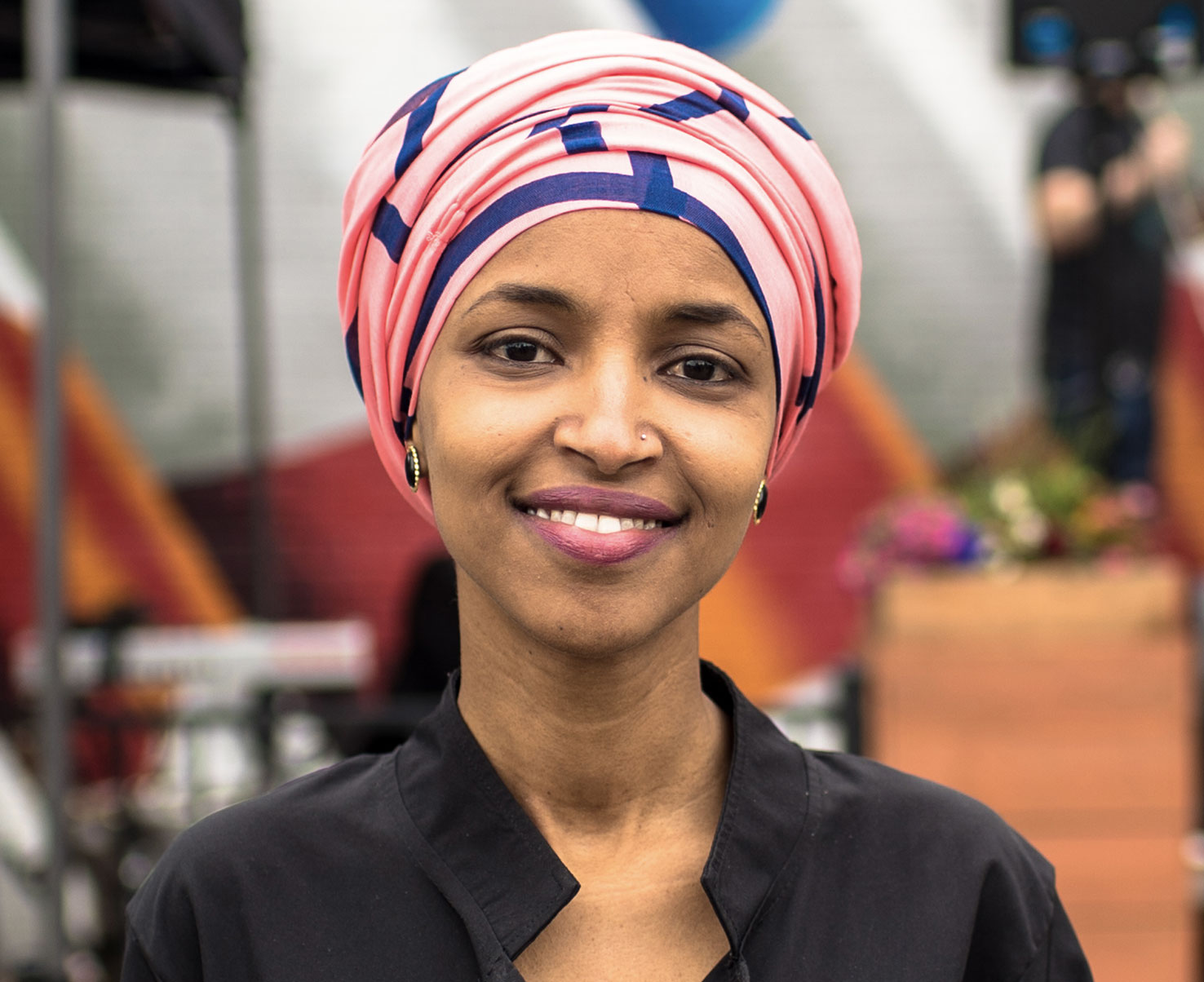
In a video clip circulated by Townhall, Donalds said, “If she’s not a naturalized citizen in our country, she’s ineligible to be in Congress. So yes, she should be removed.”
Taken by itself, the legal core of that statement is correct. A person who is not a U.S. citizen cannot serve in the House. However, the comment landed differently because it was directed at Omar, whose citizenship is not presented in credible biographies or congressional records as an unresolved matter.
Omar was born in Somalia in 1982. Her family fled the country’s civil war when she was a child, spent four years in a refugee camp in Kenya, and arrived in the United States during the 1990s. She became a naturalized U.S. citizen in 2000, years before entering elected politics.
She later served in the Minnesota House of Representatives before winning election to Congress in 2018. When she took office in January 2019, she became the first African refugee elected to Congress, Minnesota’s first woman of color in the House and one of the first two Muslim women to serve there.
That timeline is why Donalds’ wording sparked criticism. Saying “if” about a documented naturalized citizen can cast suspicion without offering evidence that the accepted record is false. It also shifts the conversation away from Omar’s votes and policies and toward whether she belongs in Congress at all.
The Constitution does not require lawmakers to be native-born
The Constitution draws a clear distinction between eligibility for Congress and eligibility for the presidency.
Article I, Section 2 says a House member must be at least 25 years old, must have been a U.S. citizen for at least seven years, and must live in the state the person represents at the time of election. There is no requirement that representatives be born in the United States.
Congress’s official Constitution Annotated explains that the House qualifications were designed to leave public office open to both native-born and naturalized citizens. It also notes that neither Congress nor individual states can simply add new qualifications beyond those listed in the Constitution.
Omar easily clears the seven-year citizenship requirement. By the time she entered Congress in 2019, she had been a citizen for roughly 19 years. Her foreign birth does not create a constitutional barrier, and naturalized citizenship is not a lesser form of citizenship for House service.
The natural-born-citizen requirement applies to the presidency. Changing the eligibility rules for Congress would require a constitutional amendment, not merely a resolution declaring a naturalized lawmaker unqualified.
Rep. Nancy Mace recently proposed such an amendment. Her measure would prevent naturalized citizens from serving in Congress, becoming federal judges, or holding positions requiring Senate confirmation. The proposal itself highlights the current constitutional reality: naturalized Americans are presently eligible to serve in Congress.
Why the exchange became bigger than one sentence
Omar has repeatedly faced political attacks questioning her citizenship, loyalty, and right to remain in the United States. Some politicians have even called for her deportation despite her American citizenship.
Donald’s comment arrived within that wider atmosphere, where criticism of Omar’s political positions has frequently blended with challenges to her American identity. That context helps explain why the statement produced a sharper reaction than an ordinary discussion about congressional qualifications.
Public officials hold enormous platforms, and constitutional claims can travel far faster than corrections. A carefully phrased hypothetical may be technically defensible, but it can still create a false impression when the underlying fact has already been established.
There is also a broader democratic issue. Voters remain free to reject Omar, criticize her legislative record or support an opponent. Minnesota voters can remove her through elections, while the House has disciplinary powers in serious circumstances.
Birthplace alone, however, is not grounds for exclusion. Becoming a naturalized citizen does not place an asterisk beside a lawmaker’s citizenship or give colleagues the power to treat that person as provisionally American.
Donalds’ remark therefore raises a fair question about standards. Members of Congress routinely demand accuracy from federal agencies, journalists and political opponents. The same expectation should apply when they discuss the Constitution and the legal eligibility of their colleagues.
The Constitution is not vague on this point. Ilhan Omar is a naturalized U.S. citizen, and naturalized citizens may serve in the House after holding citizenship for seven years and meeting the other qualifications. Political debate can be fierce, but it should begin with facts that are already settled.