A cookie can look finished on the baking sheet and feel entirely different an hour later. The edges that seemed delicate become crisp. A soft center firms up. Another batch stays pleasantly bendable, even after cooling.
That difference is not simply a matter of choosing the “right” recipe. Cookie texture comes from ingredients and technique working together: the sugars, the butter’s condition, the amount of flour, and what happens in the oven.
Peanut butter cookies and butterscotch chewies make useful examples. One might be baked for crisp edges and a tender middle; the other might aim for a softer bite throughout. Neither name, however, guarantees a particular texture. The formula and handling still have to deliver.
It Starts With Butter, Sugar and Flour
Brown sugar is often associated with chewy cookies, and for good reason. It contains molasses and attracts moisture more strongly than granulated sugar. But reducing the explanation to “brown means soft, white means crisp” misses how baking works.
In her Serious Eats explanation of brown and white sugar, pastry chef Stella Parks shows that their effects depend on the recipe. Sugar interacts with baking soda, participates in creaming, and influences when the dough sets.
White sugar can help make one cookie crisp while helping another rise into something soft and thick. Brown sugar can encourage spreading in one formula and limit it in another.
Butter adds another variable. Creaming it with sugar introduces air, while using melted butter skips that particular aeration step. Neither method is inherently wrong, but they are not interchangeable shortcuts.
Flour supplies structure. Add too much, and a chewy cookie can become dry or cakey. Each ingredient has a job, but its proportions determine how those jobs fit together.
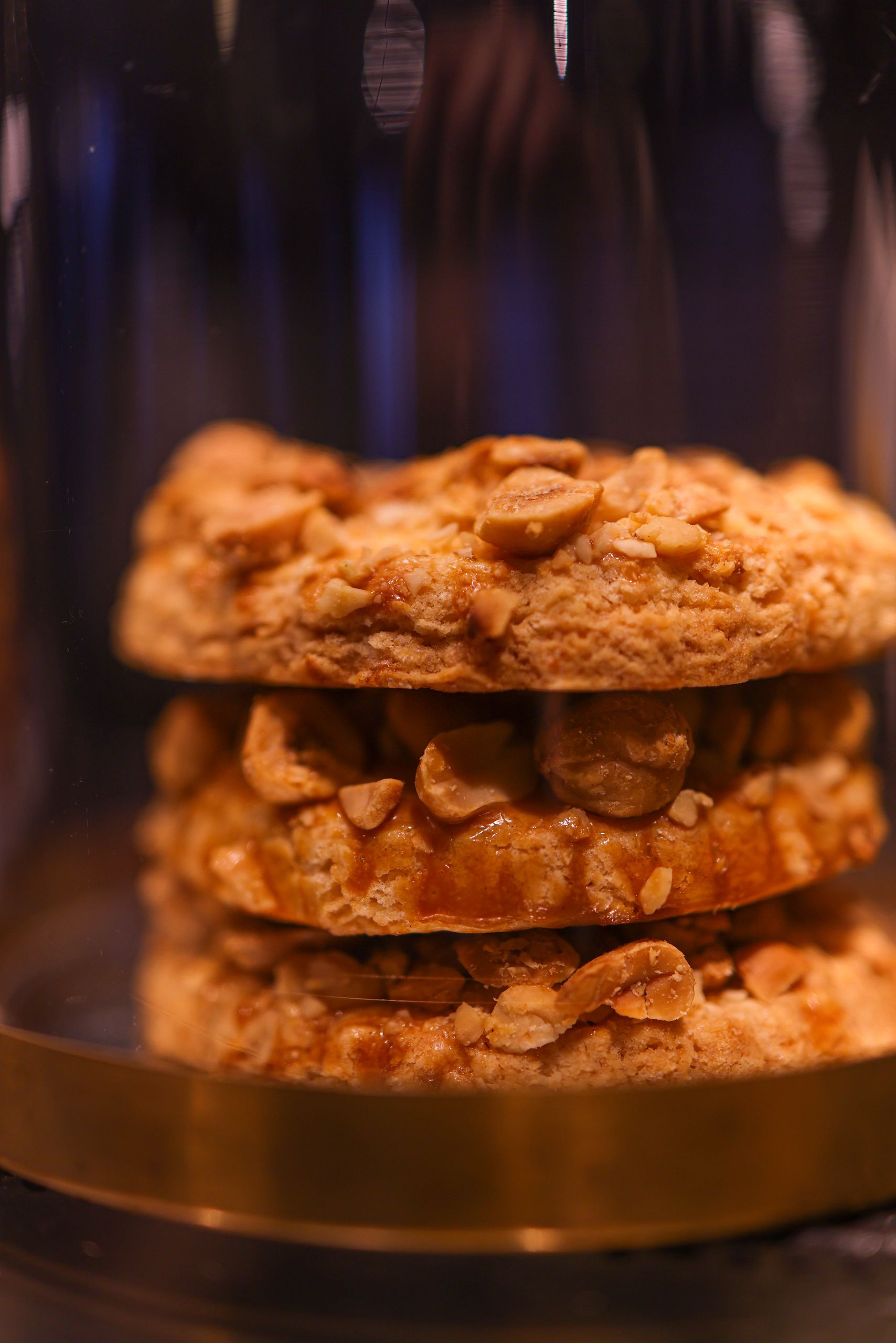
Peanut Butter Cookies: Crisp Edges, Tender Centers
A peanut butter cookie does not have to choose between crisp and soft. Different parts of the same cookie can develop different textures.
Think of the edge as a smaller, thinner section than the center. In a crisp-edged version, the goal is to stop baking while that contrast remains, rather than waiting for the entire cookie to become firm.
For a peanut butter dough with both brown and granulated sugar, the blend is part of the recipe’s design. It is not proof that one sugar supplies the edge and the other supplies the center.
Parks notes that recipes combining both sugars often seek a balance of flavor and texture. Changing that balance can also change spreading, aeration, and how quickly the dough sets.
The practical lesson is to bake the recipe as written before adjusting it. Otherwise, unexpected results become harder to explain.
Related: 9 World’s Most Popular Savory Fried Foods
Butterscotch Chewies: Flavor Is Not a Texture Guarantee
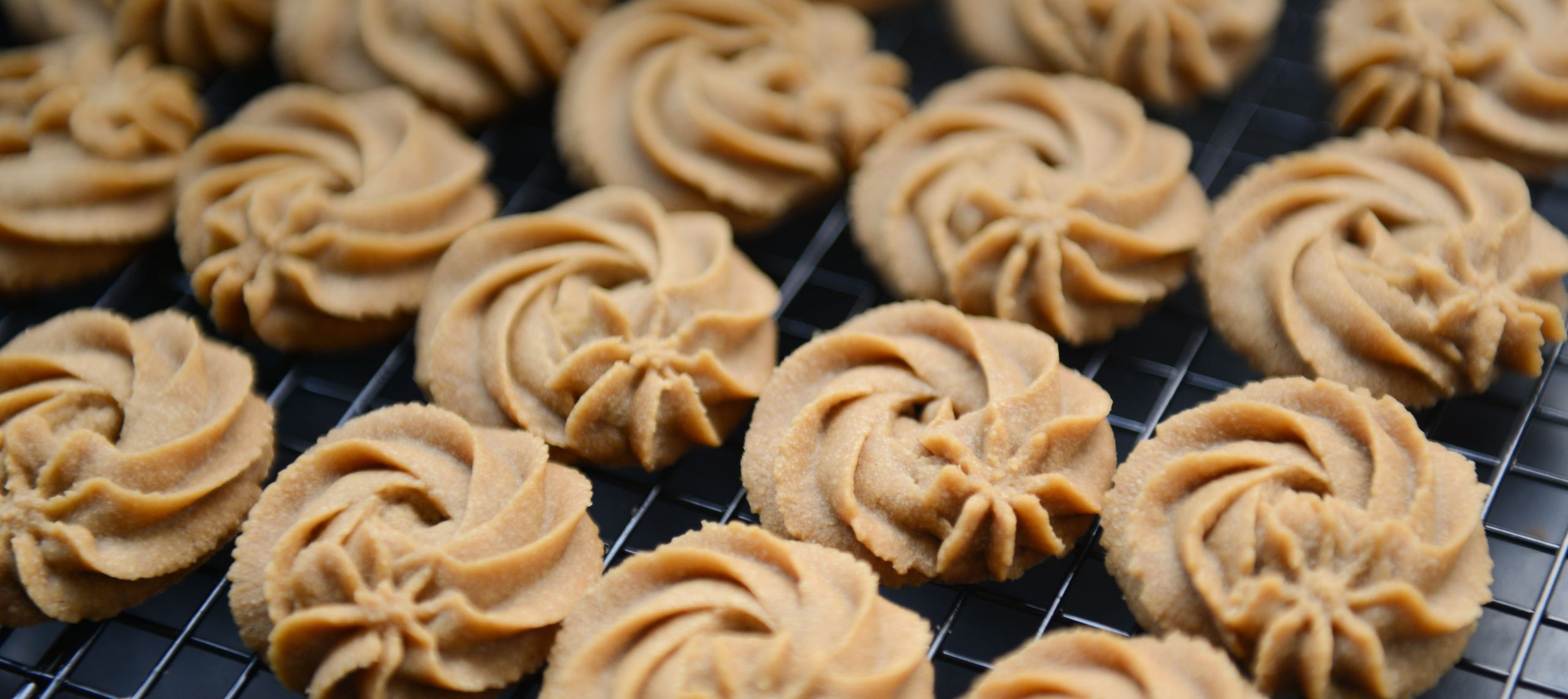
“Butterscotch chewies” describes the intended texture, but the name alone does not guarantee the result.
Brown sugar helps retain moisture; butterscotch chips add flavor and pockets of contrasting texture. Neither addition can fix too much flour or an overly long bake.
The butter matters, too. If a recipe specifies softened butter, melting it to save time changes the mixing conditions. If it calls for melted butter, adding a creaming step changes the process.
These tips for better cookies describe properly softened butter as slightly cool, able to take a finger indentation, and not greasy. Both insufficient and excessive creaming can also alter the finished cookie.
For a chewy result, follow the intended method rather than relying on the cookie’s name.
A Few Extra Minutes Can Change Everything
A cookie’s texture is still developing when it leaves the oven.
Look for golden-brown edges and a center that has just set, following the recipe’s specific cues. A less glossy surface can signal that stage. Cookies continue baking on the hot sheet and firm as they cool.
Waiting until a soft-style cookie feels firm in the oven can push it past its intended finish.
Oven temperature is only one factor. Dough composition, portion size, and baking time also influence texture. Baking peanut butter cookies at a higher temperature than butterscotch chewies does not, by itself, explain why one batch turns crisp and the other stays chewy.
Follow the recipe’s temperature, then judge timing against its portion size and visual cues rather than another cookie’s instructions.
Finally, assess the texture after cooling. A warm sample tells you how the cookie tastes straight from the oven, not necessarily how it will feel later in the cookie jar.
Five Small Mistakes That Change the Batch
Several common shortcuts make results less predictable:
- Using overly warm butter. When softened butter is requested, greasy butter does not provide the same starting condition.
- Scooping in extra flour. Weigh the amount the recipe specifies. Packing flour into a measuring cup can add substantially more than intended.
- Mixing without watching the dough. Creaming butter and sugar is different from mixing once the flour is added. Follow each stage separately instead of leaving the mixer running.
- Baking until everything feels firm. For soft-style cookies, follow the recipe’s set-center cues rather than demanding a rigid middle.
- Ignoring cooling instructions. Time on the hot sheet affects setting, so cooling is part of the method, not an afterthought.
Another useful checkpoint is spread. King Arthur’s cookie-baking guide identifies several influences, including sugar quantity, dough chilling, and the baking-sheet lining. That is why one disappointing batch rarely proves that a single ingredient was responsible.
Better Texture Comes From Better Comparisons
Before baking a full batch, try one or two test cookies to check spread, size, texture, and timing.
For peanut butter cookies or butterscotch chewies, change one thing at a time, note the adjustment, and compare the cooled results. That makes it easier to identify what helped.
Would you rather perfect a cookie with crisp edges and a tender middle, or one that stays soft and chewy from the first bite to the last?