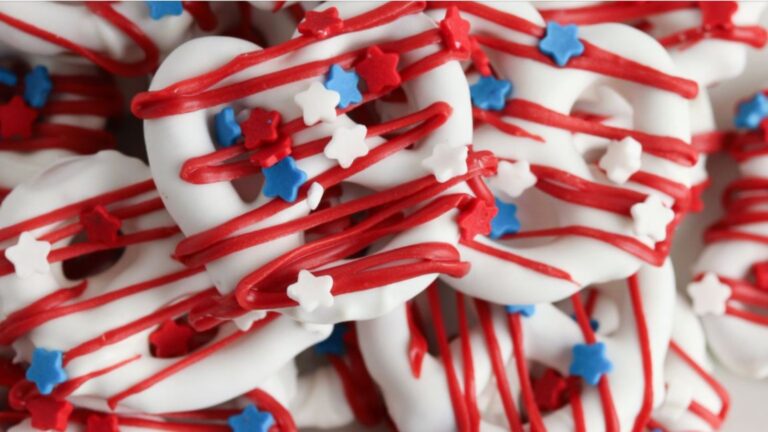
Some foods have had surprisingly complicated journeys from “you can’t sell that here” to sitting casually on supermarket shelves and restaurant menus.
American food laws have changed dramatically over the decades. Some restrictions were introduced because of safety concerns, others because of ingredients, import rules, animal-welfare debates, or even fears surrounding particular foods. And while “banned” is often used loosely, several foods faced serious restrictions before regulations changed or legal alternatives became available.
Absinthe
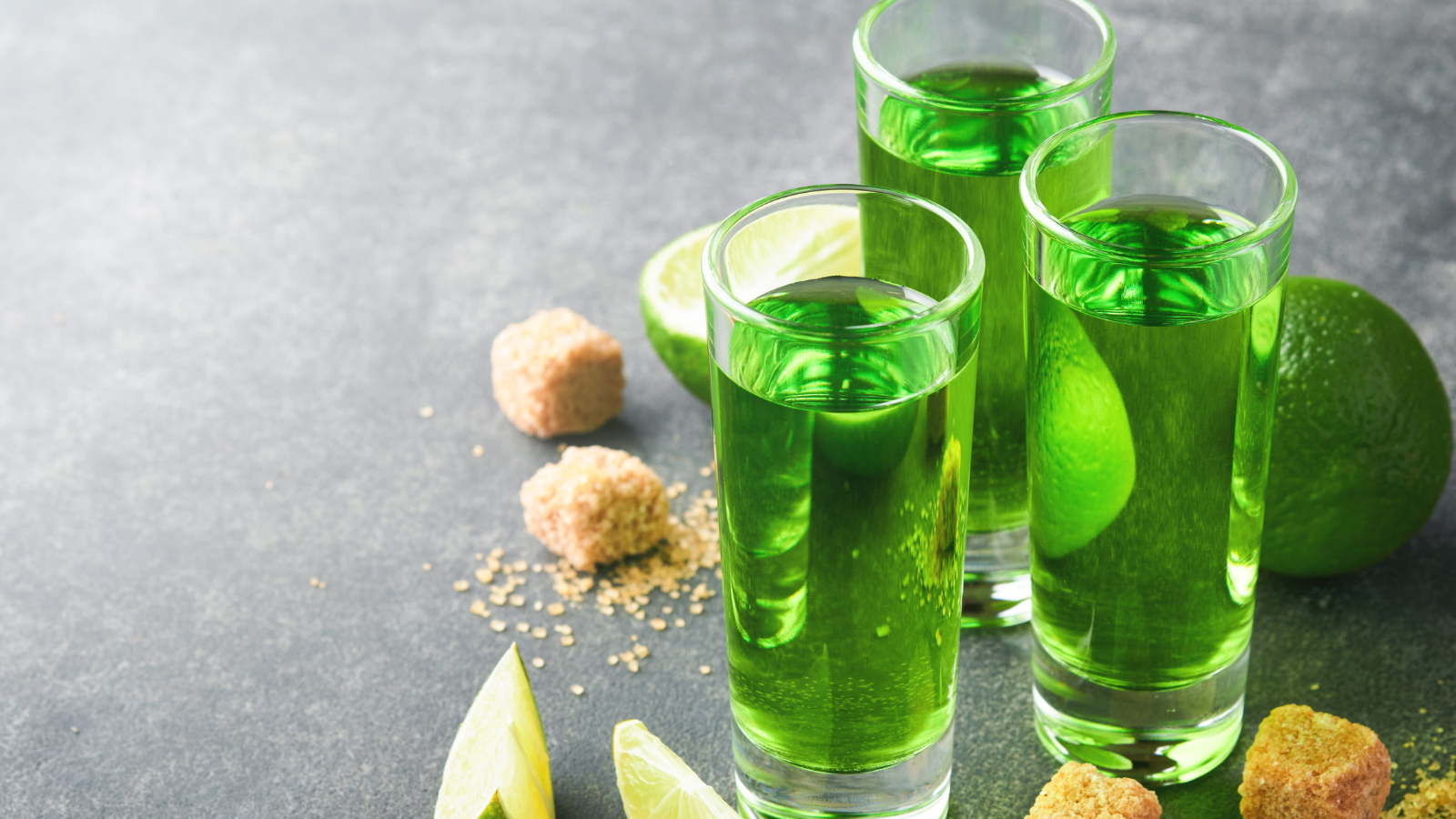
The mysterious green spirit went from notorious American prohibition to something you can actually find at a liquor store.
Absinthe developed a reputation for causing hallucinations and bizarre behavior, helping fuel its prohibition in the United States. That changed in 2007, when compliant absinthe products could be sold again, provided they meet strict thujone limits. Today, bottles of absinthe can be found legally in the American market, although the drink is still regulated.
The transformation is especially strange because the drink never completely disappeared from American curiosity. It simply went from forbidden to something adventurous shoppers could seek out.
Ackee
Jamaica’s beloved national fruit once faced serious pushback from American food regulators, but today, canned ackee is widely available.
The issue is not that ackee itself is inherently forbidden. Unripe ackee can contain dangerous levels of hypoglycin A, a toxin associated with potentially severe illness. Fresh unripe fruit therefore presents a genuine safety concern, while properly processed canned or frozen versions can enter the American market.
This change shows how food regulation can evolve from outright restriction to allowing controlled versions of a food. Even today, though, the difference between safe and unsafe ackee matters enormously.
Fugu
The Japanese pufferfish sounds like the sort of food America would ban, and yet specially prepared versions can be served legally.
Fugu contains tetrodotoxin, an extremely potent poison concentrated in certain parts of the fish. Rather than banning the food outright, U.S. regulators have allowed tightly controlled imports and preparation.
That means you won’t find fugu beside the salmon at every supermarket. But it can legally appear on American restaurant menus, which is remarkable given the stakes. It is one of those foods where preparation is far more than culinary skill.
Foie Gras
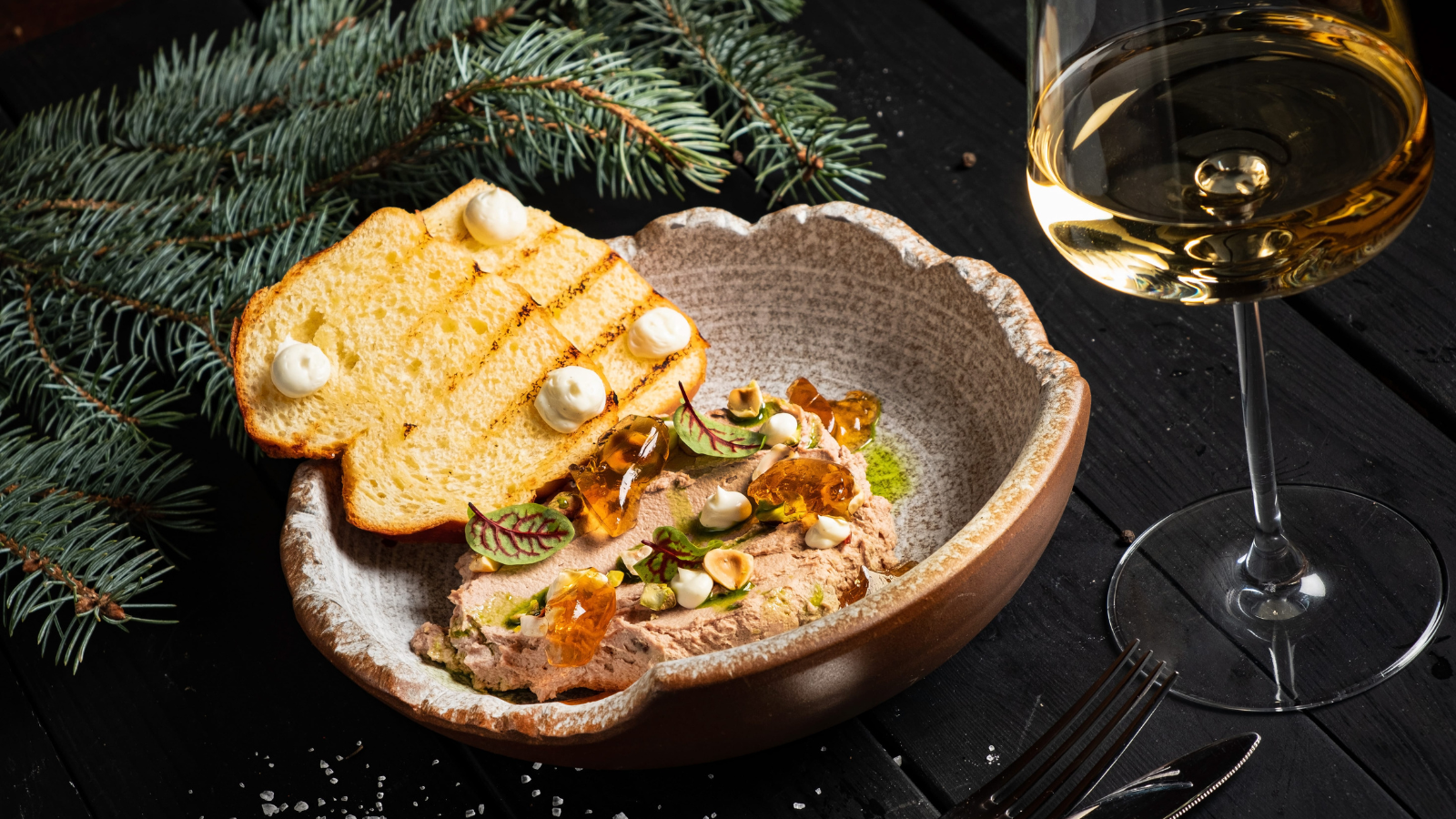
Foie gras has spent years caught between luxury-food culture and restrictions over how it is produced.
Foie gras is not federally banned throughout the United States, but its production and sale have faced restrictions in particular jurisdictions. California, for example, has had a long-running legal battle surrounding foie gras produced through force-feeding, while New York City has also pursued restrictions.
That makes foie gras a strong example of why calling a food “banned in America” can be misleading. Its legal status depends on exactly where you are and what part of its production or sale the law addresses.
Raw-Milk Cheese
The idea that Americans couldn’t buy certain traditional cheeses sounds strange today, but milk-processing rules have made the cheese aisle much more complicated than it looks.
Raw-milk cheese has faced strict federal requirements, including rules governing how long certain cheeses must be aged before being sold across state lines. That did not eliminate raw-milk cheese from America; instead, it created a regulatory framework under which particular varieties could legally be produced and marketed.
That is why today’s cheese counter can carry traditional European-style products that once would have been much harder to find.
Margarine
In parts of America, governments once treated margarine so suspiciously that they tried to make it less appealing.
During the late 19th and early 20th centuries, governments heavily regulated margarine, including taxes, labeling requirements, and restrictions designed partly to protect the dairy industry. Some states even imposed rules about coloring margarine so consumers could distinguish it from butter.
Today, margarine is an ordinary supermarket product. Its history shows that food restrictions are not always about toxicity or contamination; sometimes economics and competition play a surprisingly large role.
Sushi
Sushi may seem like one of America’s most established foods now, but raw fish was once far from an everyday American dining habit.
This one needs an important clarification: sushi itself was not federally banned in the United States. Instead, American regulations and consumer concerns about raw seafood meant restaurants had to follow strict food-safety requirements, while sushi remained unfamiliar to much of the American public.
Today, the result is almost the opposite of that old perception. Sushi is now so mainstream that supermarket refrigerators routinely contain ready-to-eat rolls.
Imported European Meats
Some European cured meats once faced formidable barriers to the American market, but approved products can now be found in specialty stores and supermarkets.
Import restrictions on meat have historically been tied to animal diseases and food-safety concerns. As disease conditions and inspection requirements change, individual countries and products can move from restricted to approved status.
That is why a food traveler might see an Italian or Spanish cured meat in an American shop today that would have been impossible or extremely difficult to import decades earlier. The rules remain important, though, and approval can depend on the product and country of origin.
Related: 6 Foods You Probably Didn’t Know Are Heavily Restricted in the United States
Artificial Trans-Fat Foods
This one has a twist: Americans can still buy many foods that once contained artificial trans fat, but the problematic ingredient itself has been phased out.
Partially hydrogenated oils were once common in products ranging from baked goods to margarine and shortening. In 2015, the FDA determined that partially hydrogenated oils were no longer generally recognized as safe, and manufacturers were eventually required to remove them from most foods. The final compliance date was January 1, 2021.
So the food did not necessarily disappear, the recipe changed. That is one of the most interesting ways food regulation works: sometimes regulators don’t take the cookie off the shelf; they change what goes into it.
From Forbidden to Familiar
America’s food history is full of foods that look completely ordinary today but once came with a surprising legal story.
Some restrictions disappeared because science changed, some because safer processing methods became available, and others because regulators found ways to control a risk rather than prohibit the entire food. The FDA’s own history shows just how dramatically American food regulation has evolved since the early federal food laws of the 1900s.
That history reminds us that what appears on today’s grocery shelf isn’t necessarily a permanent fixture. The foods we consider completely normal can have surprisingly complicated stories, just like the everyday habits that quietly shape our routines and the superfoods that have earned a place in modern kitchens.
Which of these foods surprised you most, and which one would you have assumed was never allowed in America in the first place?