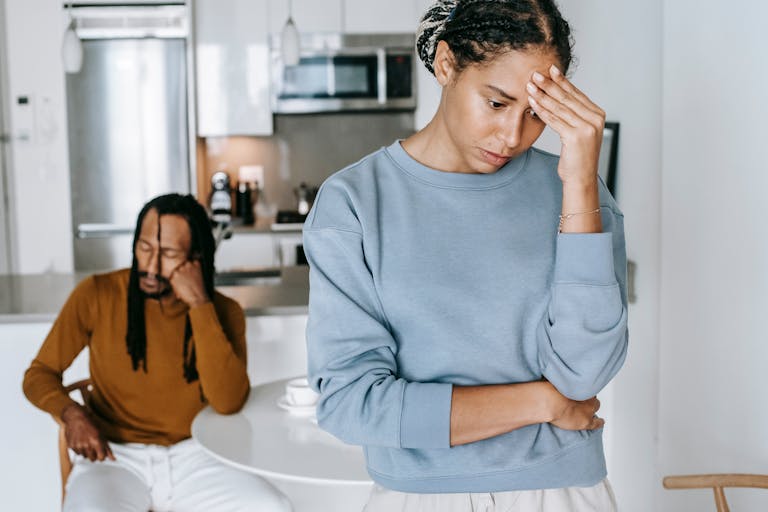
Most couples have that one little bedroom argument that never seems to go away: who gets which side of the bed? Some people refuse to switch, even when staying in a hotel or visiting family. Others couldn’t care less and will happily sleep wherever there is a comfortable pillow. Interestingly, sleep experts suggest that our preferred side of the bed may reveal a few things about our personalities, from how we handle stress to how much we enjoy routine.
One personality theory even suggests that people who sleep on the left tend to be more cheerful and confident, while those who prefer the right are more grounded and cautious. It makes for an interesting conversation, especially if you and your partner have completely different sleeping preferences. But before you start judging someone by their side of the mattress, it helps to understand where these ideas come from.
Left Side Sleepers Are Often Described as More Cheerful
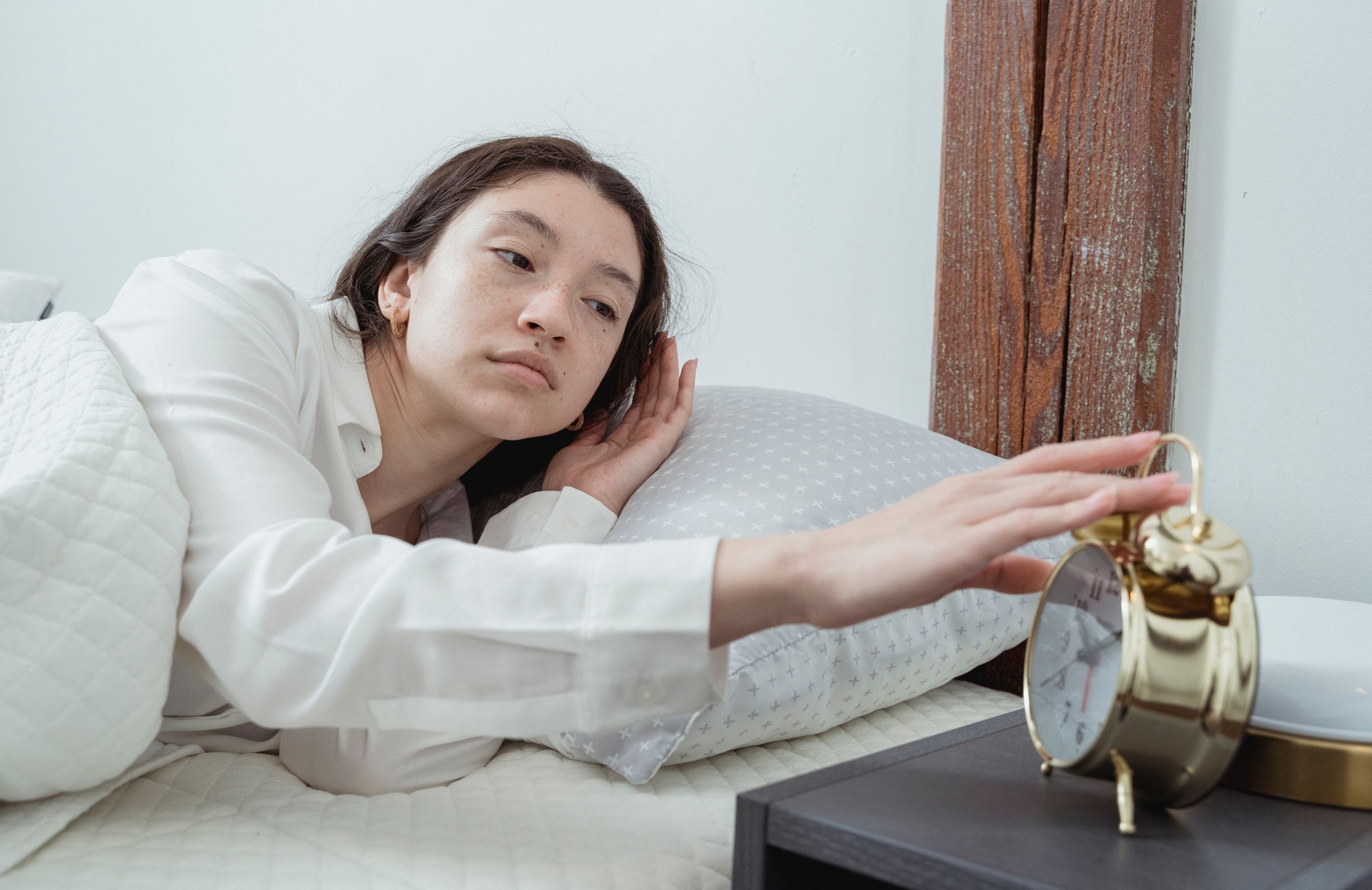
If you prefer the left side of the bed, you might enjoy hearing this one. Sleep psychologist Hope Bastine has suggested that left side sleepers tend to have a more positive outlook on life than people who prefer the right. They are also described as more confident and better equipped to handle demanding workloads.
In an interview with Cosmopolitan UK, Bastine explained that these individuals often see themselves as calmer when dealing with a crisis. A 2012 survey of 3,000 adults conducted by British hotel chain Premier Inn also found differences in how people described their personalities based on their preferred sleeping sides.
According to the survey findings discussed in the reports, left side sleepers were more likely to say they loved their jobs. Of course, this doesn’t mean changing your sleeping position will suddenly make Monday mornings enjoyable, but it is an amusing personality association.
Right Side Sleepers Tend to Be More Grounded
Right side sleepers get a slightly different personality description. Rather than approaching everything with optimism, they are often portrayed as practical people who prefer to consider what could go wrong before making decisions. They may be less likely to get carried away by excitement and more interested in having a realistic plan.
Bastine suggested that right side sleepers tend to be grounded and prepared for worst-case scenarios. Interestingly, the Premier Inn survey also associated them with higher earnings and a greater likelihood of running their own businesses. These findings are survey observations, not proof that sleeping on the right makes someone better with money.
Still, if your partner is the type who checks the weather forecast, plans every detail of a trip, and always has a backup plan, you might recognize a little of this description.
Middle of the Bed Sleepers May Be More Flexible
Not everyone has a strong attachment to the left or right side. Some people prefer sleeping in the middle, especially when they have an entire bed to themselves. Others gradually spread out during the night until their partner is left negotiating for a few inches of mattress.
Personality descriptions associate middle sleepers with adaptability, open-mindedness, and a preference for harmony. They are often portrayed as people who are comfortable considering different perspectives rather than insisting on getting their own way.
There is limited scientific research supporting these particular personality claims, however. Sleeping in the middle might simply mean someone enjoys having plenty of room or has no reason to stick to a particular side.
People Who Refuse to Switch Sides May Love Familiar Routines
Have you ever stayed in a hotel and immediately felt uncomfortable because you were sleeping on the wrong side of the bed? Some people can switch without thinking twice, while others spend the entire night feeling as though something is not quite right.
Sleep specialist Dr. Richard Bogan explains that bed preferences can develop through repeated routines. The brain becomes familiar with the process of getting ready for sleep, including climbing into the same side of the bed. Over time, that familiar arrangement can become part of the body’s bedtime routine.
Social psychologist Amanda C. Egan also suggests that people who strongly resist changing sides may have a greater preference for sameness and routine. That doesn’t necessarily mean they are difficult or stubborn. They may simply feel more comfortable when familiar things remain where they expect them to be.
Flexible Sleepers May Put Harmony Before Personal Preference
Some couples have a very straightforward arrangement: one person gets the left, the other gets the right, and nobody touches the arrangement. But there are also people who genuinely don’t mind switching whenever necessary. If their partner wants to change sides, they are perfectly happy to accommodate them.
Egan suggests that people without a strong preference for one side may score higher in agreeableness, a personality trait associated with cooperation and consideration for others. They may also be more open to new experiences and less attached to traditional arrangements.
Of course, being flexible about a mattress doesn’t automatically make someone a peacemaker. But it is interesting how even a small everyday preference can become part of the way couples negotiate shared spaces.
Your Preferred Side May Have More to Do With Safety
Personality isn’t the only possible explanation for why people claim one side of the bed. Sometimes, the decision is surprisingly practical. Someone might prefer sleeping closer to the bedroom door, while another person feels safer with their back against a wall.
A study discussed by Sleep.com found that participants arranging furniture in a room often prioritized feeling secure. Having a clear view of the door while remaining far enough away to observe what was happening appeared to influence their choices.
Childhood experiences can also play a role. Someone who grew up sleeping on a particular side or facing the bedroom entrance may carry that preference into adulthood. For others, the choice comes down to convenience, such as being closer to a bathroom, window, electrical outlet, or sleeping child.
Sleeping on Your Usual Side Can Affect Your Mood
There is a reason people sometimes joke about waking up on the wrong side of the bed. Being forced to sleep somewhere unfamiliar can make it harder to settle into a comfortable bedtime routine, particularly for someone who strongly prefers consistency.
A 2012 Premier Inn survey of 3,000 adults found that 75% of participants felt strange sleeping on the opposite side of their usual position. Around a quarter also believed the change could affect their mood the following day.
Sleep.com points out that familiarity can make bedtime feel more natural because the brain associates certain routines with getting ready to rest. If changing sides makes you uncomfortable, it may be the disruption to your routine rather than anything mysterious about your personality.
And honestly, anyone who has spent a night tossing around in an unfamiliar hotel bed probably understands that feeling.
Couples May Have More Reasons to Fight Over Bed Sides Than They Realize
Choosing sides can become surprisingly serious when two people share a bed. One person may want to sleep closest to the door, while the other prefers being near the bathroom or having easy access to an electrical outlet. Sometimes, the arrangement has been established for so long that neither person remembers who originally claimed which side.
These preferences can involve comfort, familiarity, and a person’s sense of control over their sleeping environment. Being asked to switch can feel more disruptive than expected, particularly when someone has followed the same bedtime routine for years.
There is no universal rule about who should get the left or right side. The practical arrangement, the bedroom layout, and both partners’ comfort matter much more than any personality theory.
So, Does Your Side of the Bed Really Reveal Your Personality?
The idea that left side sleepers are cheerful while right side sleepers are more grounded is certainly entertaining. However, the research behind these personality associations is limited, and surveys cannot establish that sleeping on a particular side causes someone to develop certain characteristics.
Sleep experts generally point to familiarity, personal comfort, safety, and bedroom arrangements as stronger explanations for bed preferences. Your preferred side may reflect years of routine rather than some hidden personality trait.
Still, the next time you share a hotel room or rearrange a bedroom, pay attention to how strongly everyone defends their preferred spot. Are you a cheerful left side sleeper, a practical right side sleeper, or the person who happily takes the middle? More importantly, would you switch sides if your partner asked?