The pantry cleanout is a November tradition in plenty of kitchens: a half-open box of crackers, a few cans that have seen better days, and a tray of leftover rolls all end up in a bag marked “for the food bank.” Good intentions, however, do not always match what a food bank can accept.
Feeding America, the national network of food banks, names 5 kinds of holiday donations to skip: leftovers, baked goods, opened packages, expired food and perishables. Here is why each one gets turned away, and what food banks ask for instead.

Leftovers and Homemade Food
A food bank in the Feeding America mold works like a warehouse and distribution point, which is why strict handling rules matter: items move through volunteers, trucks and shelves before reaching a family, and each step depends on sealed, dated, shelf-stable food.
A pan of stuffing from the holiday table feels generous, but food banks cannot take it. According to Feeding America’s guide to what to donate and what to avoid, leftovers and homemade dishes are not individually sealed, and the food bank cannot verify the ingredients or how the food was prepared. Feeding America’s Thanksgiving page repeats the point: leftover or cooked food from a holiday meal should never be donated.
The guide was published in January 2020, so it is worth checking a local food bank for current rules before dropping anything off. Those who would rather share a holiday plate than a pantry item can look at how a Des Moines parks dinner is preparing 3,200 free Thanksgiving meals with more than 400 volunteers, or at a Georgia restaurant that plans to feed anyone spending the holiday alone.
Baked Goods
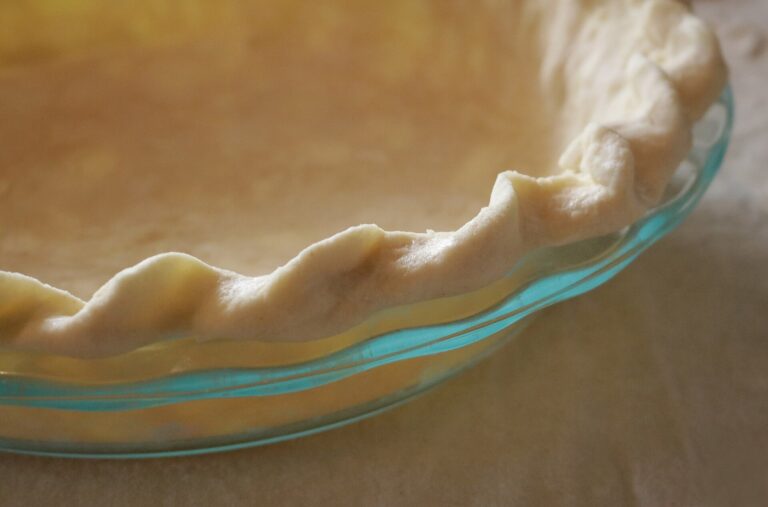
Homemade pies, cookies and breads are the same story. Feeding America says baked goods cannot be accepted because their ingredients and preparation cannot be confirmed. The guide adds that local bakeries and restaurants may donate properly labeled food through their own arrangements, which is a different route than a bag from a home kitchen.
The 5 skips share one idea: a food bank has to be able to trust every item on the shelf without opening it, checking it or keeping it cold. Cooks who like to bake for neighbors can keep the cookie plate for a nearby doorstep. Anyone short on oven space this week might look at how to free up the oven on Thanksgiving, and anyone stretching a grocery budget can try 10 clever frugal living tips or 26 easy ways to save money fast.
Opened Packages and Damaged Cans
An opened box or bag does not make it through. Feeding America lists dented or bulging cans, open packages and glass containers as safety concerns, including the chance that broken glass could contaminate other food in a shipment. The guide’s rule of thumb is simple: if a shopper would not consider buying it new, it should not be donated.
Diane Letson, vice president of food industry partnerships at Feeding America, also named home-canned food and glass jars among the items to avoid in an AOL report on what pantries really need, published in early November.

Expired Food
Feeding America’s rule is plain: do not donate food that is past its use-by or sell-by date, and give only items that have not reached it. Letson’s AOL comments add items near their use-by date to the avoid list, since food that is close to the line leaves a pantry little time to hand it out.
For families shopping for a donation on a budget, a quick date check on every can at the store is the simplest habit.
Perishables Without Cold Storage
Fresh produce, dairy and meat need refrigeration, and many food banks do not have the space for it. Feeding America explains that food banks often source fresh items directly from farmers, retailers and restaurants, so a bag of fresh items from a home kitchen can create more work than help. Its Thanksgiving page also tells donors to skip highly perishable foods.
Some pantries do take fresh items, and Letson’s AOL comments mention handheld fruit such as apples, oranges and pears, with a note to check with the pantry first about bananas. The safest step is a quick call.
What Food Banks Ask For Instead
Feeding America’s Thanksgiving page lists the items in highest demand: boxed stuffing, instant mashed potatoes, canned vegetables, dry macaroni, cranberry sauce and canned pumpkin. The broader guide recommends dry and canned shelf-stable foods that are within date, such as peanut butter, canned soup, fruit, vegetables, stew, fish and beans, plus pasta and rice.
Letson’s list adds canned proteins like tuna and chicken, rice, beans, peanut butter, canned tomato products, plain oats and pasta. Feeding America’s network includes more than 200 food banks, and each one lists its own drop-off details and most-needed items, so the first step is finding the nearest one.
Giving That Does Not Need a Can
Community meals are another way to help, and many neighborhood groups look for volunteers to pack boxes, sort cans and deliver meals in the weeks around the holiday. Volunteer time can matter as much as a donated can, and the stories above show how a single idea can draw hundreds of helpers.
Thanksgiving falls on the fourth Thursday of November, which is Nov. 26 in 2026, according to Wikipedia, and many food banks see demand rise in the days around it. A short check of the date on every item, and a quick look at the local food bank’s list, is the simplest way to make sure a donation lands where it is wanted.
This article was produced with AI assistance and edited for accuracy against the sources linked above.
Image: Staff Sgt. Nathan Maysonet – Public domain/Wikimedia Commons